Tensile membrane structures and steel structures differ significantly in structural systems, design philosophies, material properties, construction methods, and economic considerations. A detailed comparison is outlined below:
I. Structural Systems and Mechanical Principles
1. Tensile Membrane Structures
- Flexible system: Relies on pre-tensioned membranes (e.g., PTFE, ETFE, PVC) as primary load-bearing elements, stabilized via cables or masts to form three-dimensional curved surfaces.
- Tension equilibrium: Membranes resist external forces (e.g., wind, snow loads) through tension alone (no bending moments), with structural shape determined by pre-tension distribution.
- Non-linear analysis: Requires non-linear finite element analysis (FEA) (e.g., dynamic relaxation or force density methods) to simulate large membrane deformations and ensure stability under load.
2. Steel Structures
- Rigid system: Uses steel components (e.g., H-beams, tubular columns) as frameworks, connected via welding or bolting to form rigid frames or trusses.
- Moment resistance: Steel bears axial forces, bending moments, and shear forces; structural behavior depends on geometry and material strength.
- Linear analysis: Typically employs linear elastic theory for static/dynamic calculations, simplifying analysis.
II. Design Philosophy and Aesthetic Expression
1. Tensile Membrane Structures
- Free-form geometry: Creates complex shapes (e.g., hyperbolic paraboloids, saddle roofs) that merge architecture and structure.
- Lightweight aesthetics: Translucent, flexible membranes produce a lightweight and airy spatial experience (e.g., the ETFE cushion clusters in the Water Cube).
- Environmental integration: Adjustable colors/transparency harmonize with surroundings (e.g., semi-transparent sunshades).
2. Steel Structures
- Geometric regularity: Emphasizes linear, rectangular, or arched forms with industrial logic (e.g., steel truss roofs in stadiums).
- Strength expression: Exposed structural elements (e.g., trusses, grids) showcase robustness and stability.
- Function-driven design: Focuses on spanning large distances or bearing heavy loads (e.g., bridges, high-rise cores).
III. Material Properties and Performance
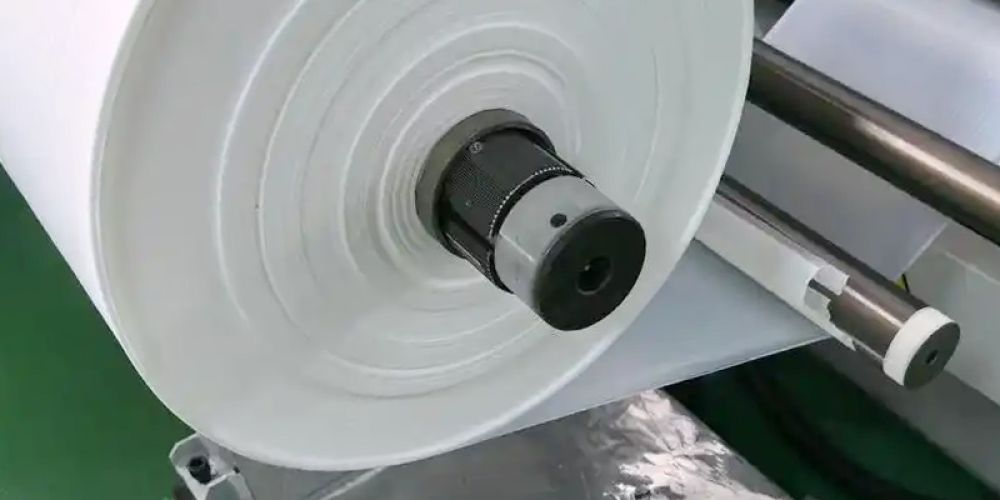
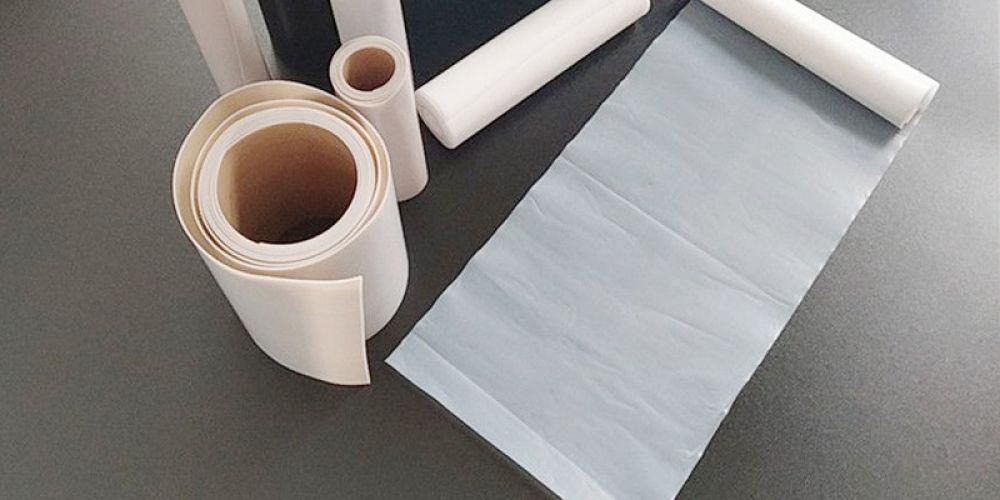
1. Membrane Materials
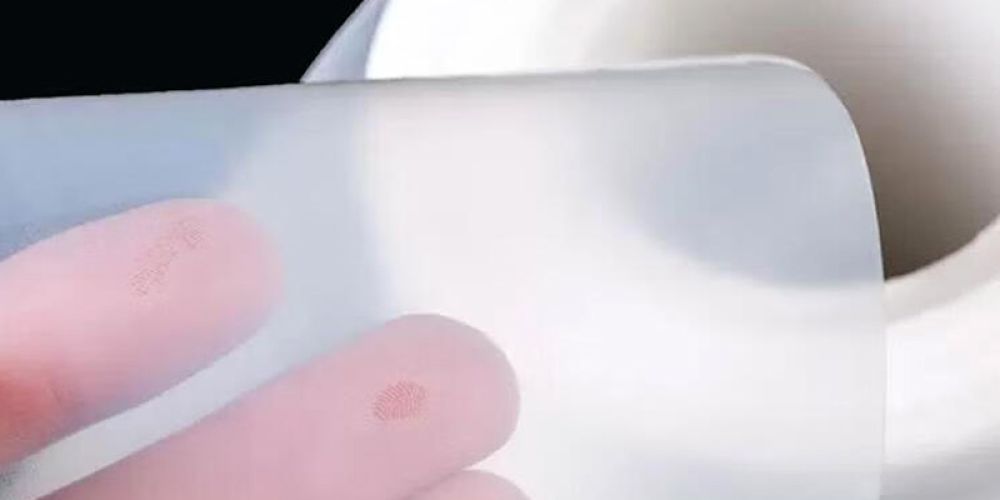
- Lightweight & strong: Density ≈1/50 of steel, tensile strength 100–200 MPa (PTFE).
- Durability: PTFE (>25 years), ETFE (up to 50 years), PVC (10–15 years).
- Multifunctional: Light transmission, insulation, fire resistance, and self-cleaning via coatings or composites.
2. Steel Materials
- High strength & stiffness: Yield strength 235–690 MPa, suitable for bending and shear.
- Poor fire resistance: Requires fireproof coatings/boards to meet safety standards.
- Corrosion-prone: Needs galvanizing or anti-corrosion paints for longevity.
IV. Construction Methods and Requirements
1. Tensile Membrane Construction
- On-site tensioning: Prefabricated membranes are tensioned with cables/masts to achieve final shape.
- Precision control: Uses total stations and tension meters to ensure uniform stress and avoid wrinkles.
- Weather sensitivity: Requires low wind and stable temperatures for installation.
2. Steel Structure Construction
- Prefabrication: Components factory-made and assembled on-site via welding/bolting.
- High-altitude work: Requires cranes, scaffolding, and extended timelines.
- Quality checks: Includes weld inspection and bolt torque testing for safety compliance.
V. Cost Efficiency and Applications
1. Tensile Membrane Structures
- Cost advantages: Higher material costs offset by reduced foundation/support expenses, may result in lower overall costs.
- Maintenance: PTFE/ETFE membranes require minimal upkeep; PVC needs periodic cleaning.
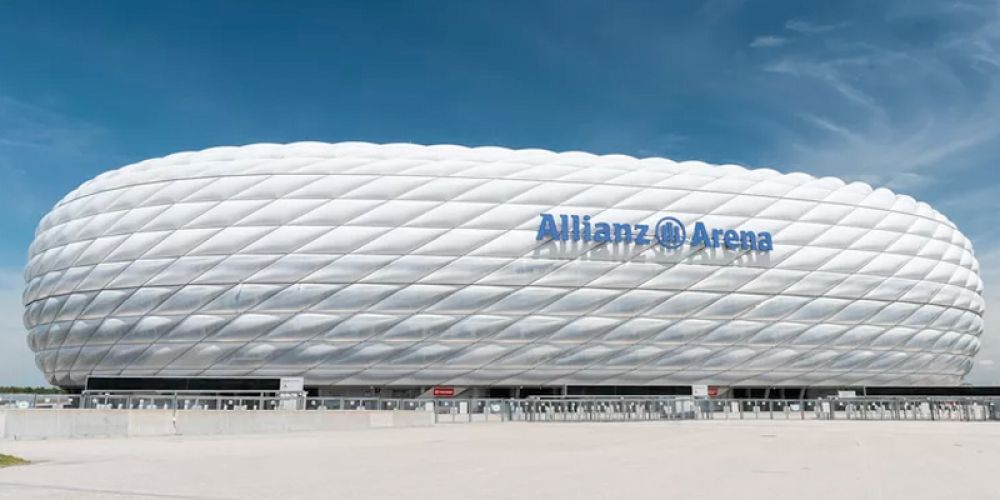
- Applications: Large-span stadiums, temporary pavilions, landscape installations.
2. Steel Structures
- Material costs: Subject to price fluctuations but manageable via standardized designs.
- Maintenance: Ongoing fireproofing and anti-corrosion treatments increase long-term costs.
- Applications: High-rises, bridges, industrial plants.

.jpg)
.jpg)
.jpg)