Which is more suitable for use on building roofs, PTFE or ETFE membrane materials
2025-08-12 12:25:43
ETFE Membrane: The Optimal Roofing Choice for High Transparency, Lightweight Design, and Construction Efficiency
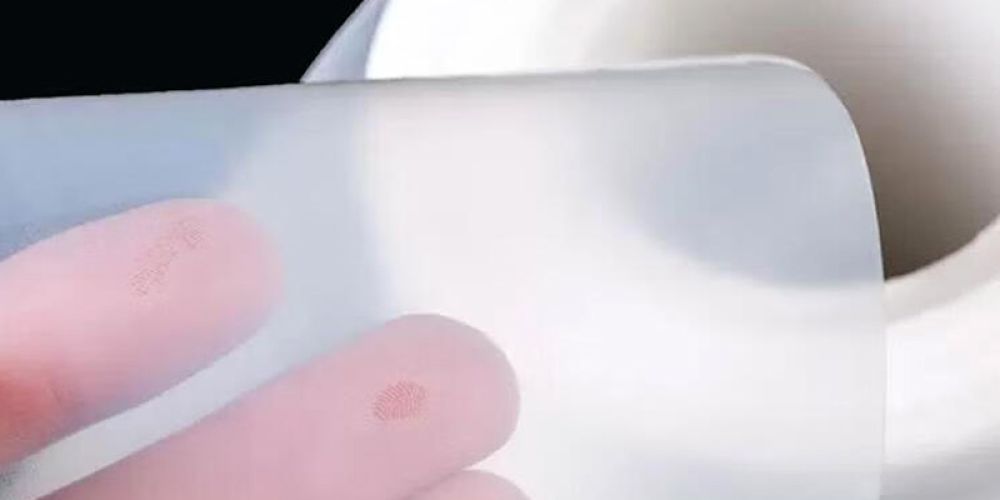
Superior Light Transmission
Light transmittance reaches 95% (comparable to glass), adjustable via surface-printed patterns (50%–95%) to balance natural lighting and energy efficiency.
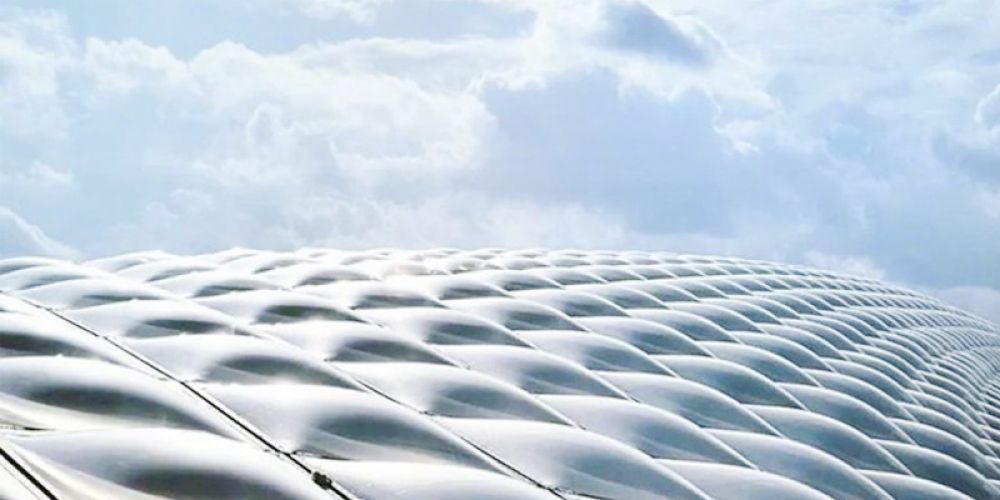
Example: The Beijing Water Cube adjusts shading by regulating air pressure in ETFE cushions, optimizing indoor lighting and energy savings.
Lightweight and Safety
Weight is 1% of glass, drastically reducing roof load and foundation costs.
Fire-resistant (B1-rated), with a melting point of 200°C and a lifespan of 30+ years, ideal for long-span roofs.
Self-Cleaning and Low Maintenance
Rainwater effectively cleans its anti-adhesive surface, requiring maintenance only every 5 years.
Prefabricated air cushions enable dry, on-site assembly and easy repairs.
Cost Efficiency and Design Flexibility
Total cost is lower than traditional glass roofs.
Customizable into any shape and size for complex designs, such as the ETFE domes at Shanghai Disneyland.
PTFE Membrane: Durable, Fireproof, and Stain-Resistant for Permanent Roofs
Durability and Chemical Stability
Glass fiber base coated with polytetrafluoroethylene (PTFE) resin ensures resistance to strong acids, alkalis, and oxidizers, with a lifespan exceeding 25 years.
Example: The PTFE roof of the Shanghai Stadium remains intact after 20+ years of use.
Fire Safety and Anti-Stain Performance
A-rated fireproof with low surface friction and self-cleaning properties, reducing maintenance costs.
Tensile strength matches steel, with low elastic modulus for complex curved designs.
Example: The inner PTFE layer of the Beijing National Stadium (Bird’s Nest) provides insulation, condensation resistance, soundproofing, and dynamic lighting effects.
Cost and Construction Challenges
High material and fabrication costs due to specialized tools and techniques required.
Low flexibility increases risk of glass fiber breakage during installation.
Unsuitable for high-transparency applications due to limited light transmittance.