
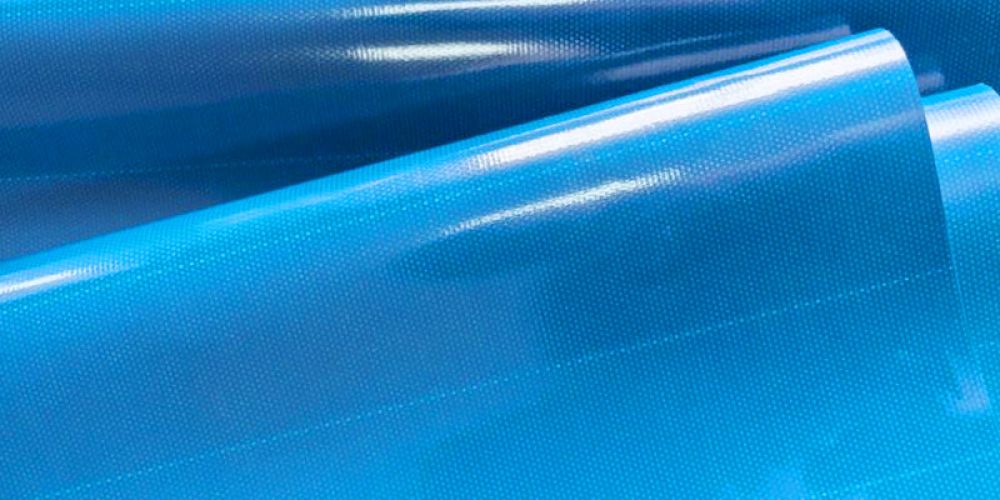
The welding process for PVC scraper cloth requires selecting the appropriate process based on the material's characteristics. Common methods include:
High-Frequency Welding (High-Frequency Welding)
Principle: High-frequency electromagnetic waves are used to generate heat through friction in PVC molecules, causing them to fuse under pressure.
Advantages: High weld strength and excellent sealing properties make it suitable for applications that must withstand long-term tension or pressure (such as tents and marquee structures).
Key Operational Tips:
Control the temperature between 180°C and 240°C to prevent material decomposition.
Adjust the pressure and time parameters to ensure sufficient fusion without burn-through.
An overlap width of 20-30mm is recommended to enhance weld strength.
Hot Air Welding
Principle: A hot air gun is used to heat the PVC welding rod and base material, melting them and bonding them.
Advantages: Simple equipment and flexible operation make it suitable for local repairs or small-area splicing.
Key Operational Tips:
Control the welding gun temperature between 300°C and 350°C, with a moderate air speed.
The welding rod and base material melt simultaneously to avoid false welds or burn-throughs. Allow to cool naturally after welding to prevent cracking due to sudden cooling.
.jpg)
In the construction field, the heat-sealing production methods for different new membrane materials vary depending on…
.jpg)
In the construction field, the heat-sealing of PVDF membrane materials is mainly achieved through processes such…
.jpg)
Due to its unique molecular structure and excellent overall performance, PVDF (polyvinylidene fluoride) membrane material is…
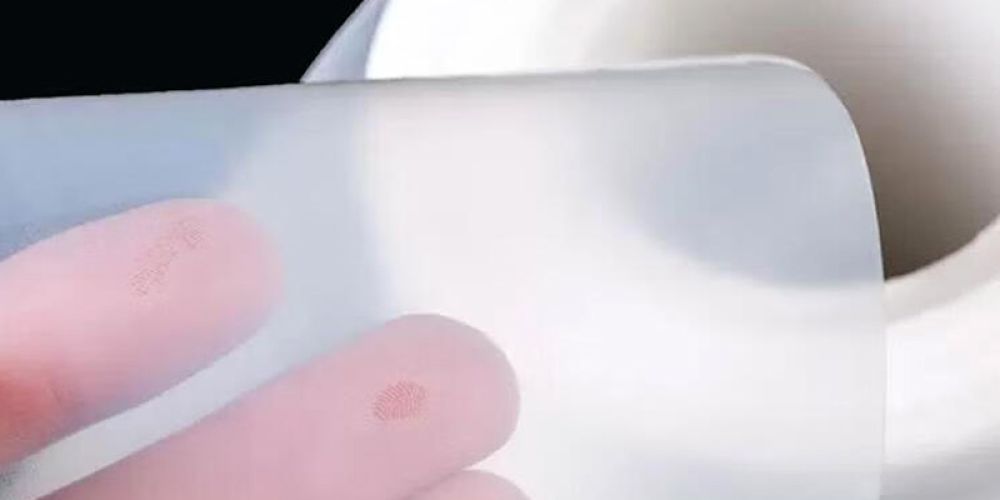
Chemical Inertness: Virtually unreactive with almost all chemical substances; resistant to acids, alkalis, and organic solvents…
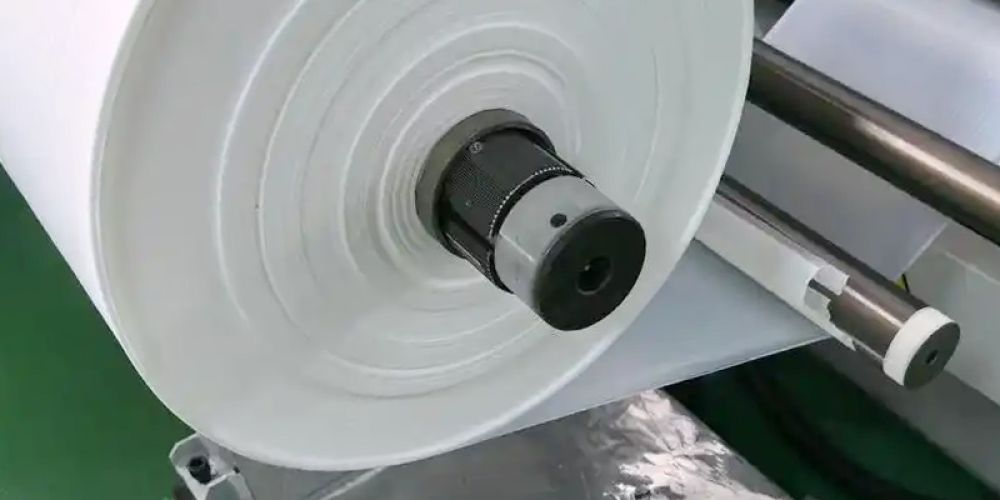
PTFE (polytetrafluoroethylene) film is a high-performance engineering plastic film renowned for its excellent chemical stability, high-temperature…
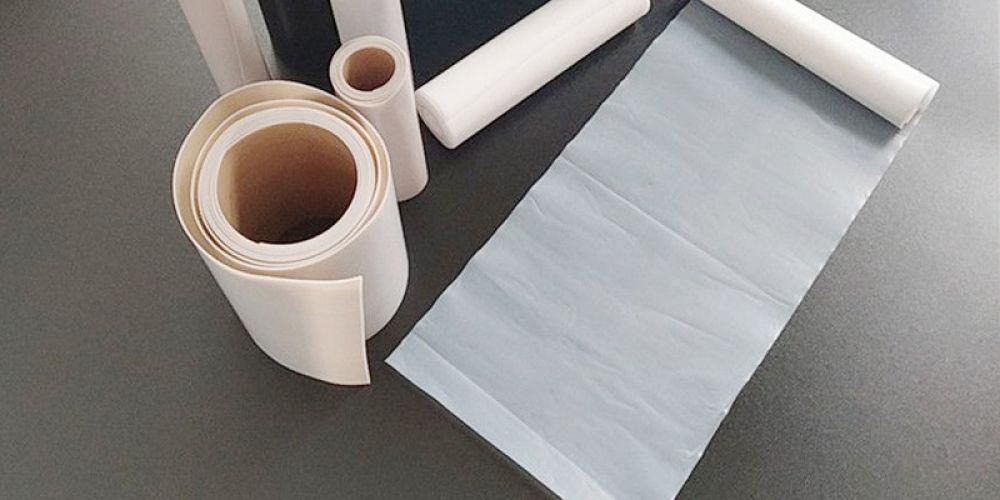
Microporous Structure Porosity exceeds 85%, with 1.4 billion micropores per square centimeter and pore sizes ranging…