
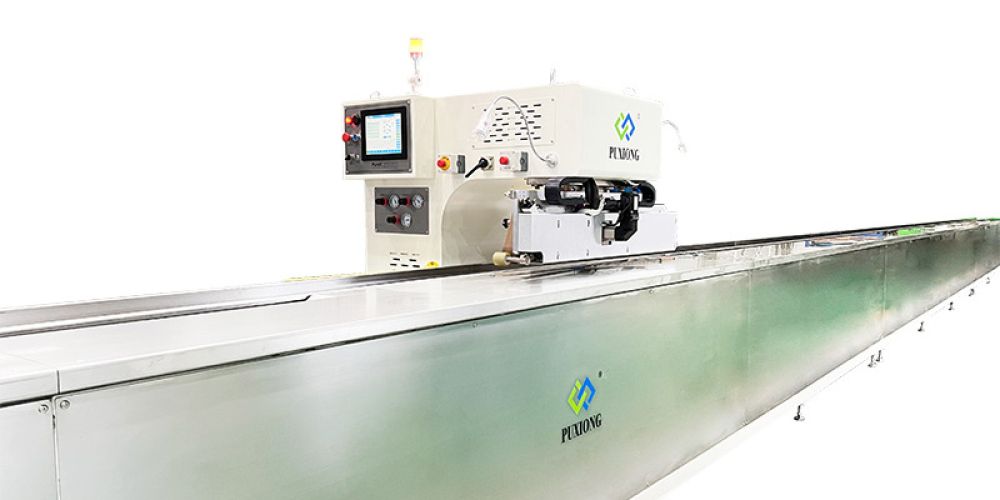
Heat-sealing welding technology for ETFE membrane structures offers significant advantages, including high welding strength, excellent sealing performance, efficiency, strong adaptability, safety, environmental friendliness, and aesthetic durability. A detailed analysis is provided below:
Heat-sealing welding creates tightly interwoven molecular bonds in ETFE membranes, achieving a weld strength of up to 52 MPa (52N/mm²), far exceeding that of traditional materials. This ensures structural stability and reliability under extreme weather conditions or heavy loads.
The heat-sealing technique forms seamless bonds at the joints of ETFE membranes, with leakage resistance pressure exceeding 20 kPa. Compliant with ISO 8871-5 standards, it effectively prevents rainwater and air penetration, maintaining a stable internal environment.
Heat-sealing allows simultaneous welding of multiple membrane layers. Combined with automated equipment, welding speeds reach 5–10 meters per minute, significantly increasing daily production capacity and meeting the demands of large-scale construction projects.
The heat-sealing process is suitable for ETFE membranes of varying thicknesses (0.1–0.35 mm), colors, and functionalities—including transparent, translucent, and printed patterns—accommodating diverse architectural design requirements.
Heat-sealing produces no open flames or smoke emissions and complies with ISO 11137 medical device sterilization standards, minimizing environmental and health impacts. Additionally, ETFE membranes are 100% recyclable, supporting the development of green building practices.
Heat-sealed seams are smooth and flat, free from wrinkles or deformation, preserving the membrane’s 95% light transmittance and self-cleaning properties. This ensures long-lasting aesthetic appeal and reduces maintenance costs.
.jpg)
In the construction field, the heat-sealing production methods for different new membrane materials vary depending on…
.jpg)
In the construction field, the heat-sealing of PVDF membrane materials is mainly achieved through processes such…
.jpg)
Due to its unique molecular structure and excellent overall performance, PVDF (polyvinylidene fluoride) membrane material is…
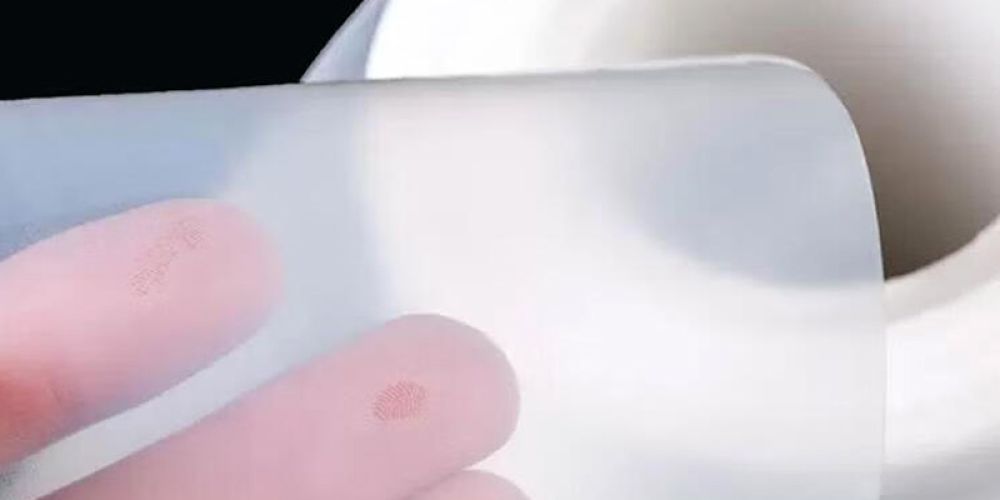
Chemical Inertness: Virtually unreactive with almost all chemical substances; resistant to acids, alkalis, and organic solvents…
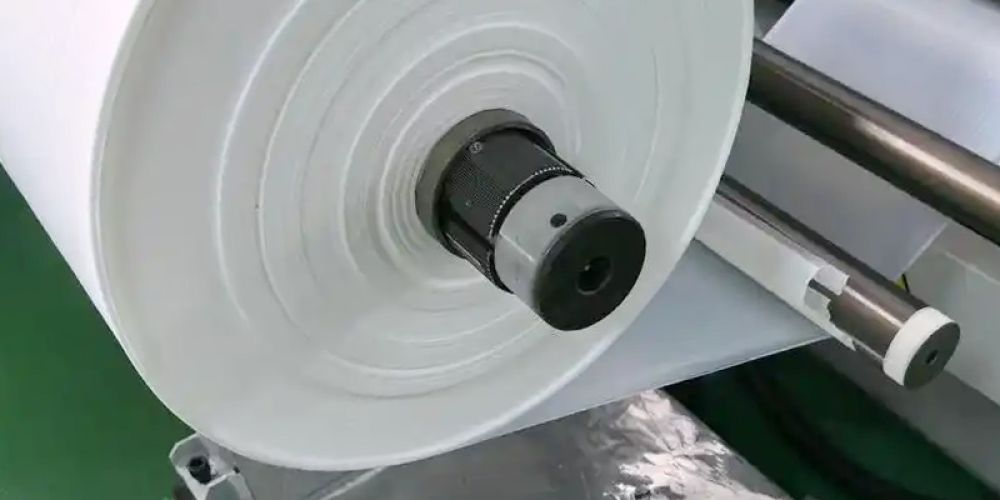
PTFE (polytetrafluoroethylene) film is a high-performance engineering plastic film renowned for its excellent chemical stability, high-temperature…
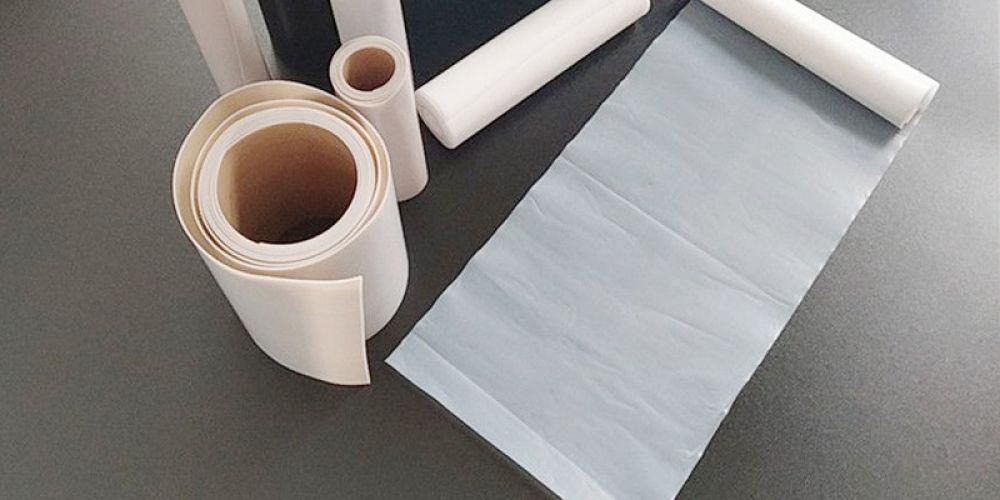
Microporous Structure Porosity exceeds 85%, with 1.4 billion micropores per square centimeter and pore sizes ranging…