
.jpg)
The application of high-frequency heat sealing machines in the production of PVC oil booms demonstrates significant advantages. By utilizing a high-frequency electromagnetic field to excite molecular polarization and friction-induced heat in PVC materials, combined with a pressure device, it achieves simultaneous welding and cutting. The specific advantages are as follows:
Molecular-Level Welding
The high-frequency electric field uniformly polarizes PVC molecules, resulting in tightly interwoven molecular chains at the weld seam. The strength reaches over 12 N/cm², far exceeding traditional heat welding (8 N/cm²). For example, PVC oil booms must withstand wind and wave impacts during offshore operations, and high-frequency welding ensures seam integrity, preventing oil spill leakage.
Sealing Compliance
The weld seam can withstand leakage resistance pressure ≥20 kPa, meeting the ISO 8871-5 standard. This is critical for oil booms to effectively contain oil spills. For instance, at refinery docks, high-frequency welded oil booms effectively prevent crude oil dispersion, protecting the aquatic environment.
Simultaneous Welding and Cutting
Traditional processes require separate heating/welding and mechanical cutting steps, while high-frequency heat sealing machines complete both steps simultaneously, reducing processing time per unit by over 50%. For example, producing a 50-meter PVC oil boom now takes 7 minutes instead of 15, doubling daily production capacity.
Multi-Station Continuous Production
Supporting rotary-table and sliding-table multi-station designs, combined with robotic auto-loading/unloading, enables 24-hour continuous production. For instance, a four-station rotary machine can achieve a daily output of 4,500 units, meeting large-scale emergency order demands.
Precision Parameter Control
The PLC control system adjusts high-frequency power (1-15 kW) and pressure (0.1-20 tons) to accommodate PVC materials of varying thicknesses (0.1-10 mm). For example, when welding 0.5 mm thick PVC oil booms, temperature is controlled at 180°C ± 2°C to prevent material degradation.
Conventional PVC Oil Booms
Suitable for solid buoyancy-type PVC oil booms, which consist of PVC cloth-wrapped buoys, skirts, and ballast chains. High-frequency heat sealing machines can weld reinforced PVC-coated plastic cloth, ensuring high tensile strength and long service life.
Inflatable PVC Oil Booms
For inflatable oil booms made of two layers of high-strength fiber cloth coated with PVC, high-frequency welding ensures airtight chambers. When inflated, the chambers form a cylindrical shape, providing ample buoyancy reserves and excellent vertical stability. For example, in open-sea emergency oil spill containment, inflatable oil booms can be deployed rapidly, with high-frequency welding guaranteeing airtightness.
Special-Function Oil Booms
Supports welding of fire-resistant PVC oil booms, where the underwater skirt is made of high-strength fabric coated with oil-resistant, aging-resistant, and flame-retardant rubber. High-frequency welding avoids thermal damage to the material, preserving its flame-retardant properties. For example, in high-fire-risk areas such as oil ports and drilling platforms, fire-resistant oil booms can contain burning oil spills, preventing fire spread.
.jpg)
In the construction field, the heat-sealing production methods for different new membrane materials vary depending on…
.jpg)
In the construction field, the heat-sealing of PVDF membrane materials is mainly achieved through processes such…
.jpg)
Due to its unique molecular structure and excellent overall performance, PVDF (polyvinylidene fluoride) membrane material is…
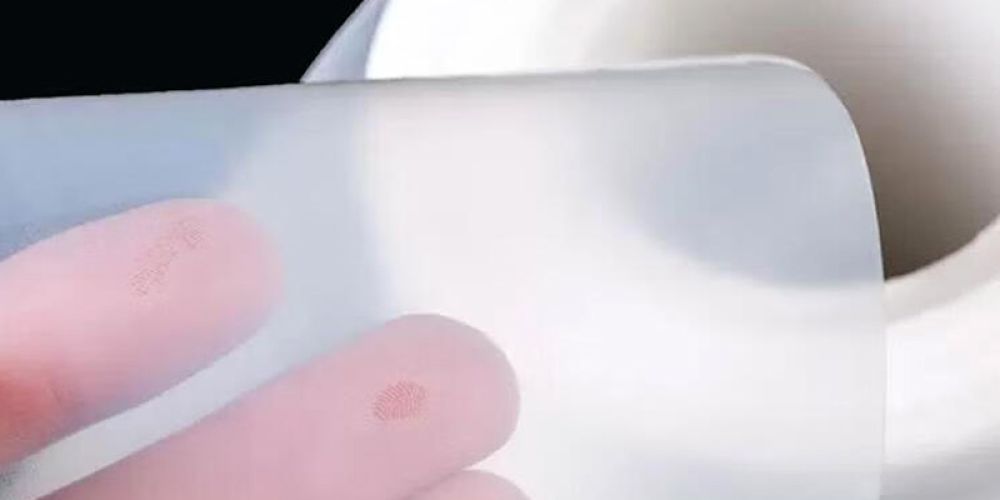
Chemical Inertness: Virtually unreactive with almost all chemical substances; resistant to acids, alkalis, and organic solvents…
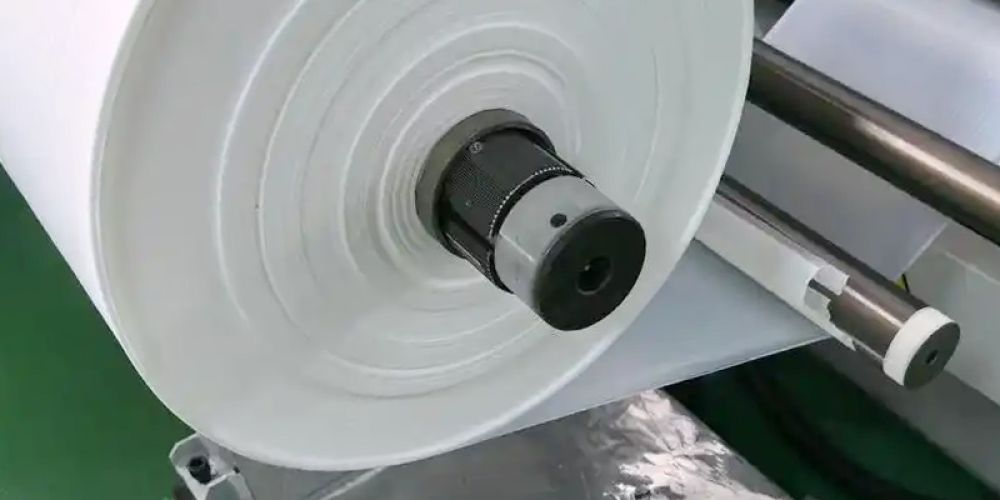
PTFE (polytetrafluoroethylene) film is a high-performance engineering plastic film renowned for its excellent chemical stability, high-temperature…
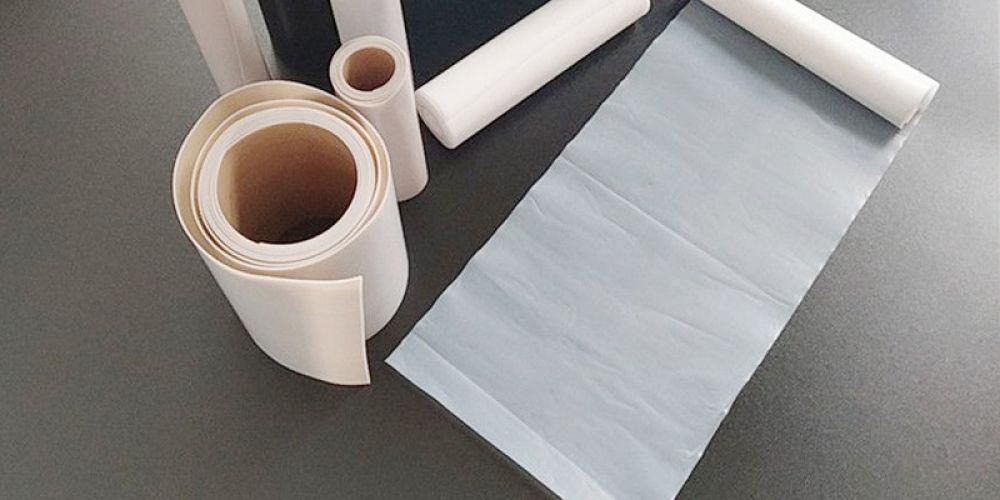
Microporous Structure Porosity exceeds 85%, with 1.4 billion micropores per square centimeter and pore sizes ranging…