

ETFE (ethylene tetrafluoroethylene copolymer) membrane is an ideal material for tensile structure buildings (such as stadiums, greenhouses, and landscape domes) due to its high light transmittance, lightweight durability, and self-cleaning properties. However, its low surface energy and narrow melting window impose stringent requirements on welding processes.
High Light Transmittance:
Transmittance exceeds 95%, comparable to glass. However, microcracks or pores generated during welding can reduce transparency.
Low Surface Energy:
Contact angle > 100°. Molten material tends to adhere to tools, requiring special surface treatment or non-contact welding methods.
Narrow Melting Window:
Melting point ranges from approximately 260–300°C. Decomposition occurs above 320°C, producing toxic fluorides (e.g., HF), necessitating precise temperature control.
High Thermal Expansion Coefficient:
Linear expansion coefficient reaches 200×10⁻⁶/°C. Thermal deformation must be compensated during welding to prevent stress-induced cracking.
Hot Air Welding:
Non-uniform heating from hot air guns easily causes localized overheating. Weld seams tend to be wide (>5 mm), resulting in significant loss of light transmittance.
High-Frequency Induction Welding:
ETFE is non-conductive and cannot be directly heated via eddy currents. Conductive coatings (e.g., silver paste) are required, increasing cost and process complexity.
Mechanical Press Welding:
Pure pressure welding often leads to incomplete fusion defects, resulting in low weld strength (typically <50% of the base material).
.jpg)
In the construction field, the heat-sealing production methods for different new membrane materials vary depending on…
.jpg)
In the construction field, the heat-sealing of PVDF membrane materials is mainly achieved through processes such…
.jpg)
Due to its unique molecular structure and excellent overall performance, PVDF (polyvinylidene fluoride) membrane material is…
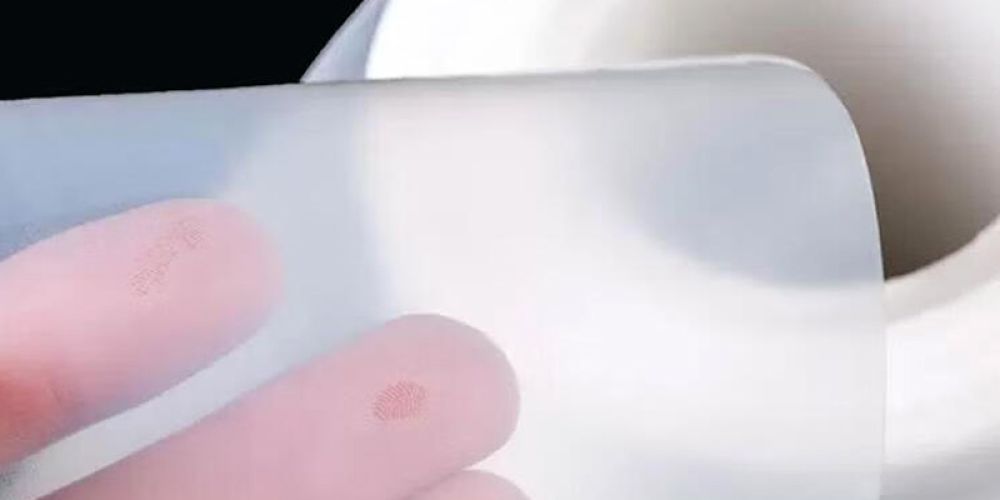
Chemical Inertness: Virtually unreactive with almost all chemical substances; resistant to acids, alkalis, and organic solvents…
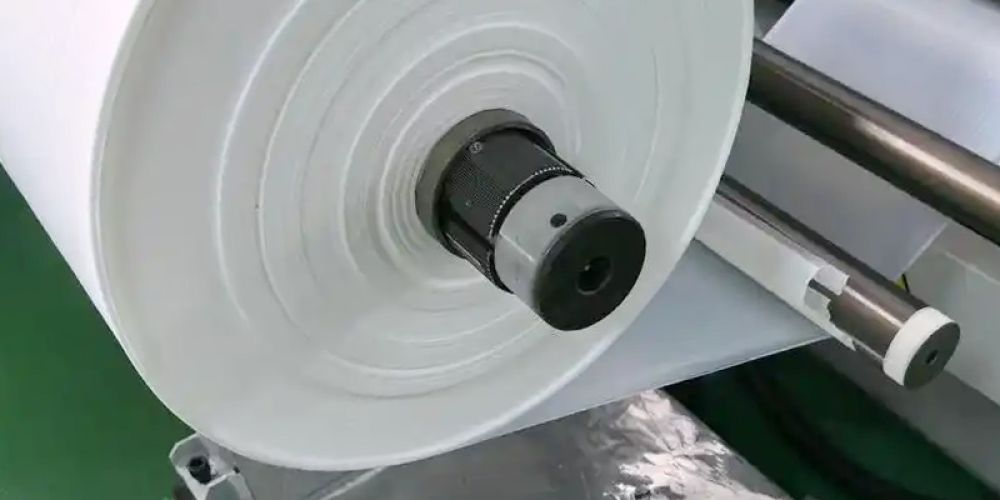
PTFE (polytetrafluoroethylene) film is a high-performance engineering plastic film renowned for its excellent chemical stability, high-temperature…
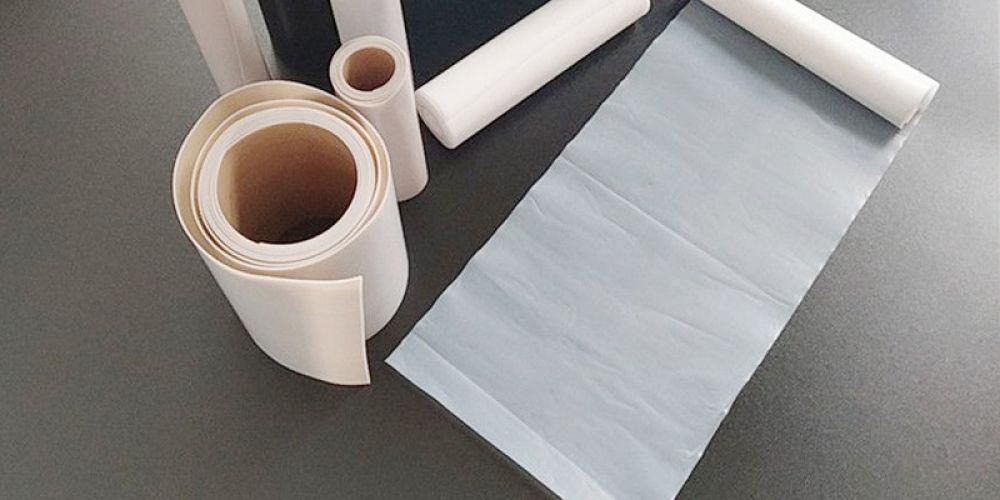
Microporous Structure Porosity exceeds 85%, with 1.4 billion micropores per square centimeter and pore sizes ranging…