
.jpg)
Membranes used in tensile structures exhibit significant physicochemical differences, necessitating tailored welding processes:
PTFE Membrane
Properties: High temperature resistance (260°C), corrosion resistance, and smooth surface. However, its low thermal conductivity (0.25 W/m·K) makes conventional thermal conduction welding prone to localized overheating or uneven melting.
Welding Principle: Puxiong high-temperature welding utilizes electromagnetic heating to melt the PTFE coating, rapidly raising the temperature to the melting point (≈320°C). Combined with pressure rollers, it achieves seamless welding.
PVC Membrane
Properties: Low melting point (≈160°C) and high flexibility, but poor thermal stability. Decomposition at high temperatures may release hydrogen chloride (HCl) gas.
Welding Principle: High-frequency welding employs adjustable high-frequency electromagnetic fields (200–400°C) to heat the seam, softening and interpenetrating PVC molecular chains. Servo motor-driven pressure wheels ensure uniform bonding.
ETFE Membrane
Properties: High light transmittance (>95%) and strong chemical stability, but low surface energy (contact angle >100°°). Conventional welding often results in insufficient melting or pore defects.
Welding Principle: Puxiong high-temperature welding uses electromagnetic heating with precise control to achieve localized melting.
.jpg)
In the construction field, the heat-sealing production methods for different new membrane materials vary depending on…
.jpg)
In the construction field, the heat-sealing of PVDF membrane materials is mainly achieved through processes such…
.jpg)
Due to its unique molecular structure and excellent overall performance, PVDF (polyvinylidene fluoride) membrane material is…
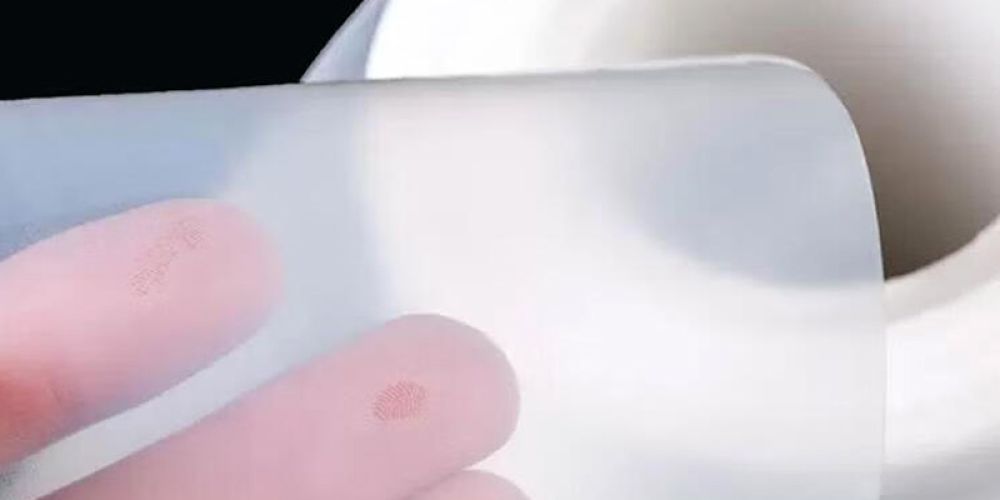
Chemical Inertness: Virtually unreactive with almost all chemical substances; resistant to acids, alkalis, and organic solvents…
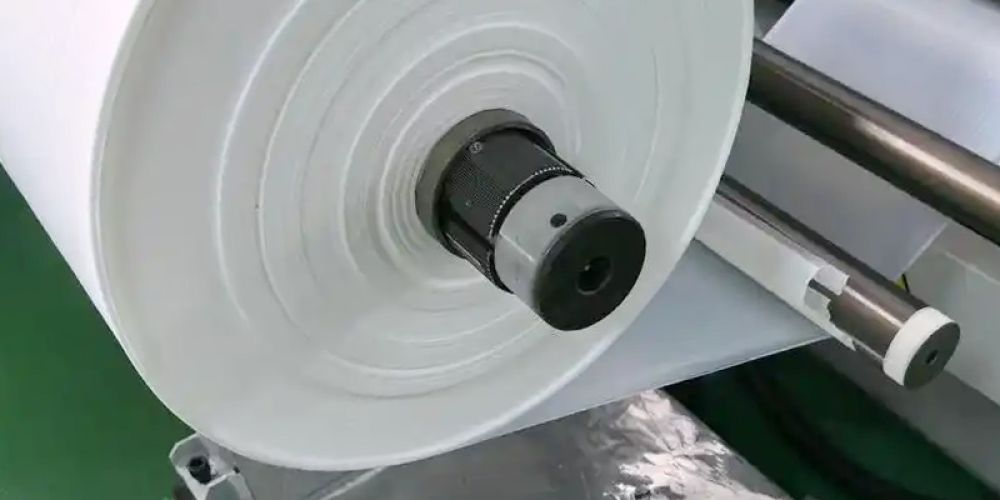
PTFE (polytetrafluoroethylene) film is a high-performance engineering plastic film renowned for its excellent chemical stability, high-temperature…
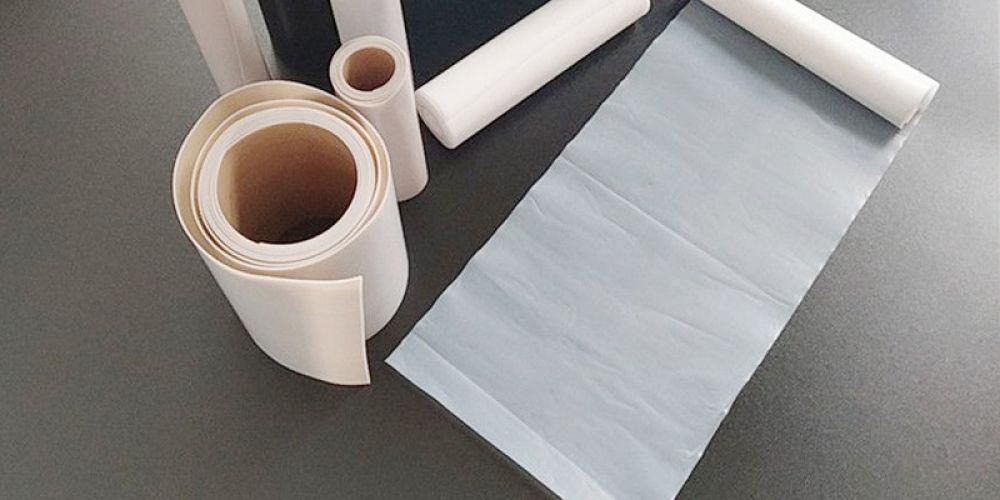
Microporous Structure Porosity exceeds 85%, with 1.4 billion micropores per square centimeter and pore sizes ranging…