
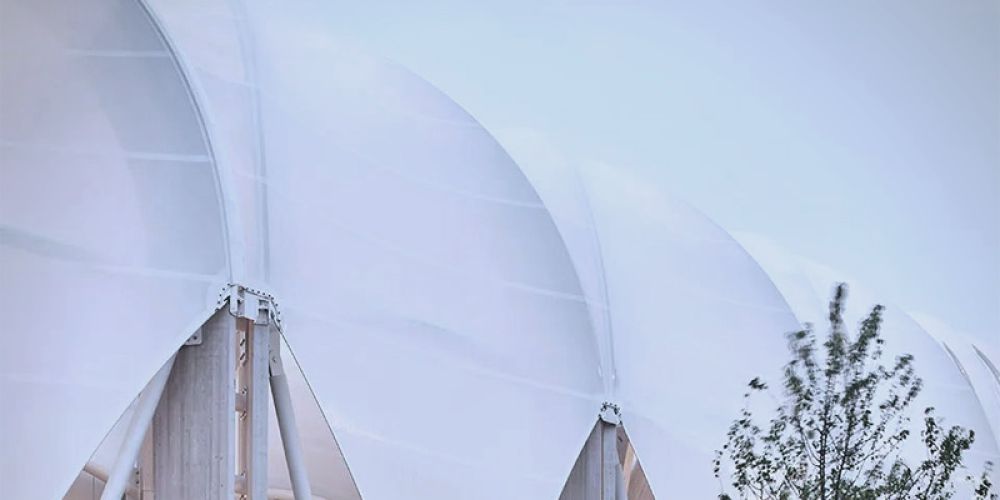
PTFE-Coated Fiberglass Membrane: 25–30 years (or even longer)
Material Advantages
PTFE (Polytetrafluoroethylene) exhibits exceptional chemical stability, UV resistance, high-temperature tolerance (withstanding -70°C to +260°C long-term), and corrosion resistance. Its extremely low surface energy (contact angle >110°) forms a superhydrophobic structure, which prevents the adhesion of dust and contaminants. Self-cleaning occurs through rainwater runoff, significantly reducing performance degradation caused by pollution.
Structural Stability
The fiberglass substrate offers high tensile strength (ranging from 3,000 to 4,000 MPa) and low creep, ensuring minimal deformation or relaxation over prolonged use. The strong bonding between the PTFE coating and fiberglass prevents delamination, maintaining the membrane’s structural integrity.
Environmental Adaptability
Real-World Case
Many large-scale stadiums, such as the roof membrane structure of the Beijing Olympic "Bird's Nest," have used PTFE membranes for over 15 years while maintaining excellent performance. The expected service life exceeds 30 years.
.jpg)
In the construction field, the heat-sealing production methods for different new membrane materials vary depending on…
.jpg)
In the construction field, the heat-sealing of PVDF membrane materials is mainly achieved through processes such…
.jpg)
Due to its unique molecular structure and excellent overall performance, PVDF (polyvinylidene fluoride) membrane material is…
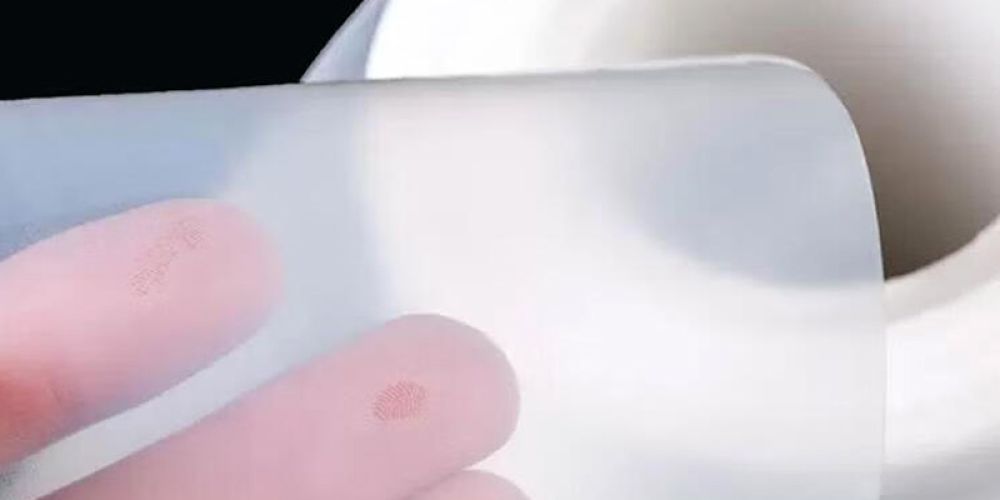
Chemical Inertness: Virtually unreactive with almost all chemical substances; resistant to acids, alkalis, and organic solvents…
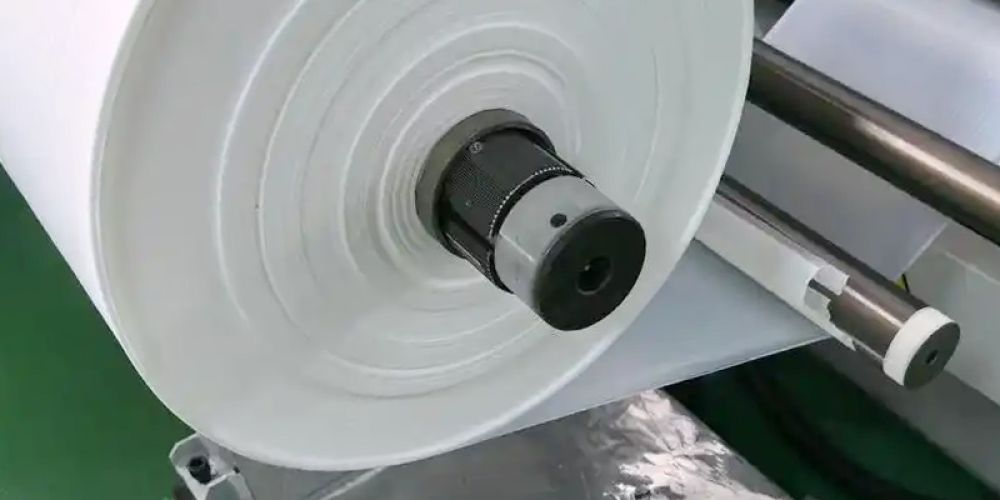
PTFE (polytetrafluoroethylene) film is a high-performance engineering plastic film renowned for its excellent chemical stability, high-temperature…
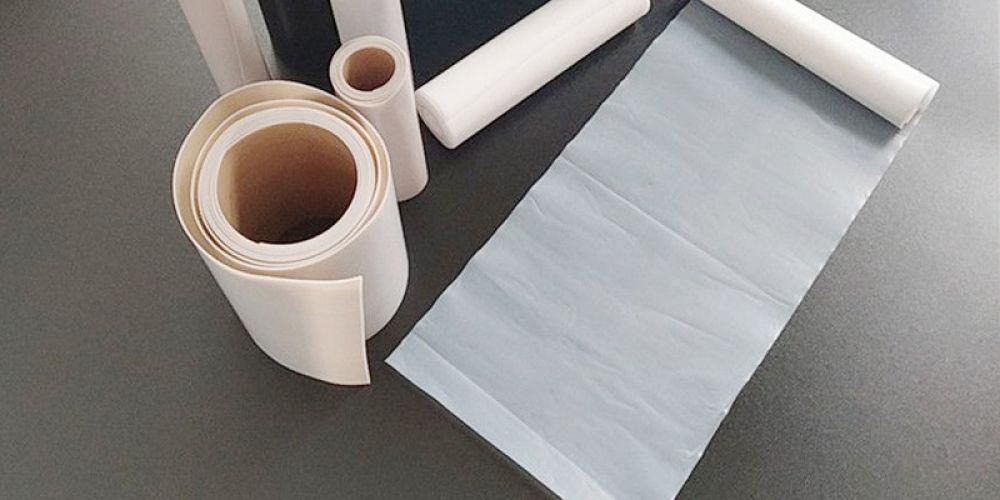
Microporous Structure Porosity exceeds 85%, with 1.4 billion micropores per square centimeter and pore sizes ranging…