
Frequency:
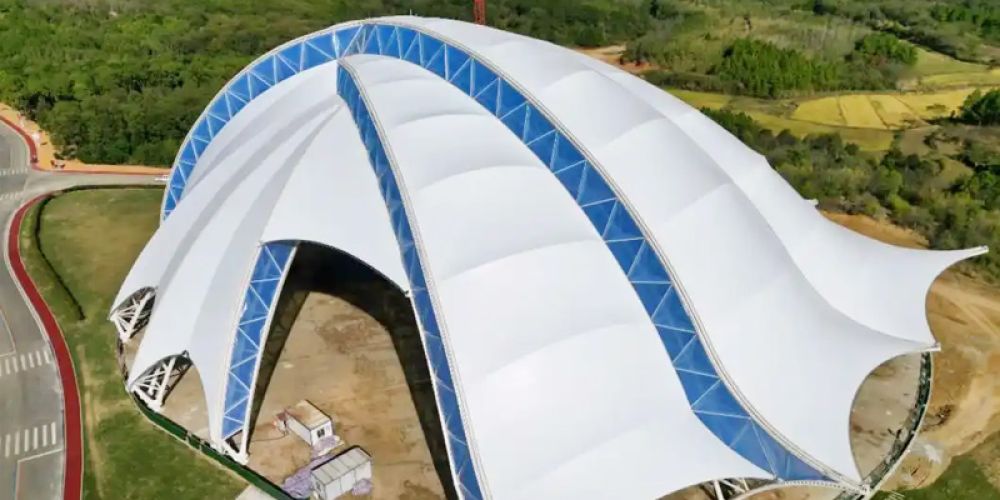
PTFE membrane surfaces have a contact angle >110°, exhibiting superhydrophobic properties. Rainwater can remove most dust. In lightly polluted areas (e.g., suburban regions), professional cleaning is required every 5-10 years. In industrial zones or areas prone to sandstorms, the cleaning interval may be reduced to 3-5 years.
Methods:
Inspection Cycle:
Repair Costs:
Lifespan:
Replacement Frequency:
Frequency:
Methods:
Frequency:
Inspection Cycle:
Repair Costs:
.jpg)
In the construction field, the heat-sealing production methods for different new membrane materials vary depending on…
.jpg)
In the construction field, the heat-sealing of PVDF membrane materials is mainly achieved through processes such…
.jpg)
Due to its unique molecular structure and excellent overall performance, PVDF (polyvinylidene fluoride) membrane material is…
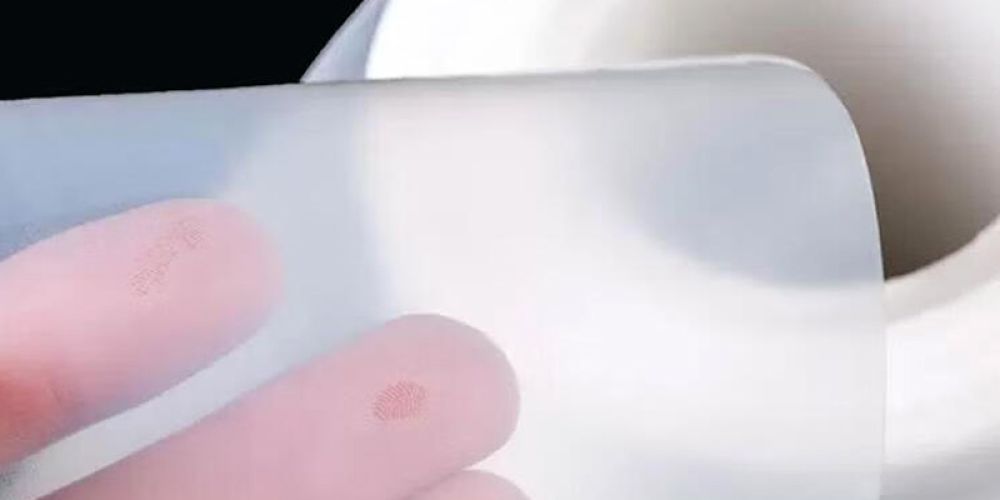
Chemical Inertness: Virtually unreactive with almost all chemical substances; resistant to acids, alkalis, and organic solvents…
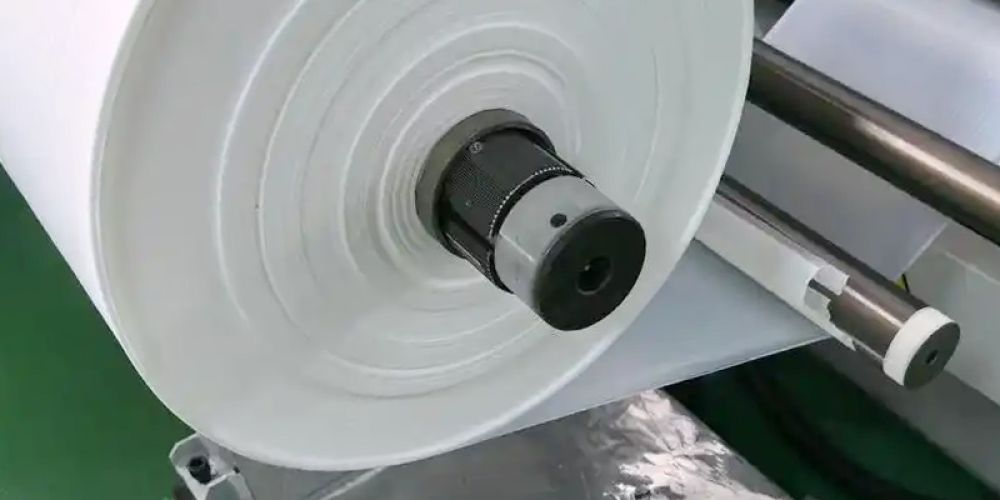
PTFE (polytetrafluoroethylene) film is a high-performance engineering plastic film renowned for its excellent chemical stability, high-temperature…
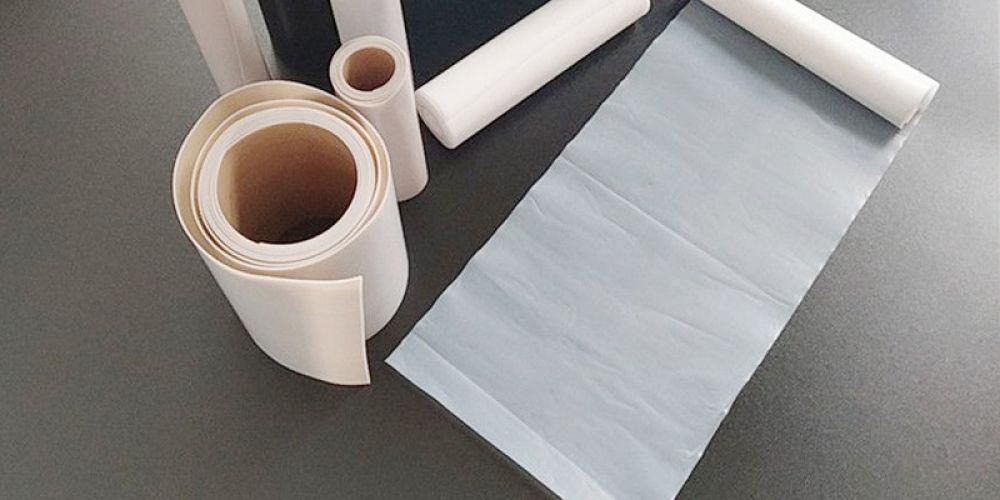
Microporous Structure Porosity exceeds 85%, with 1.4 billion micropores per square centimeter and pore sizes ranging…