
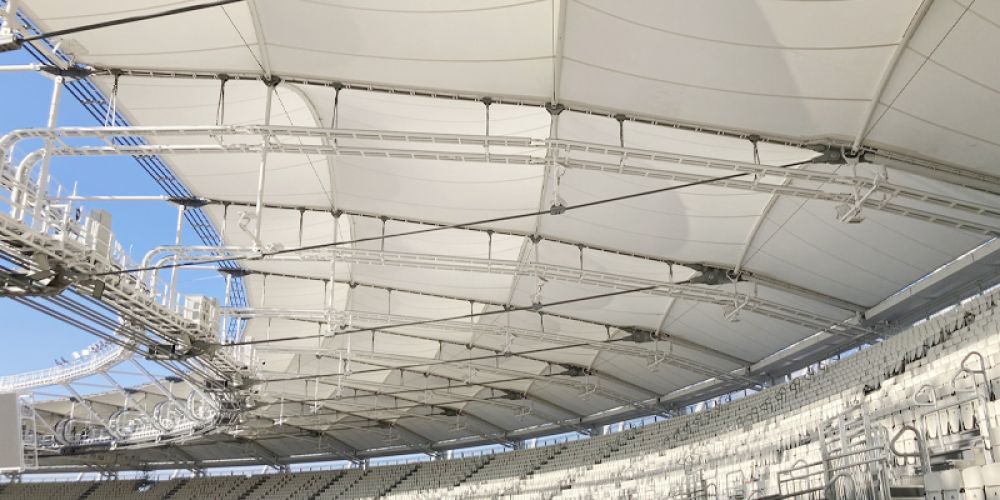
UV Resistance:
The C-F bond in PTFE (polytetrafluoroethylene) has high bond energy (485 kJ/mol), enabling complete absorption of ultraviolet radiation (wavelength 200-400 nm) without surface aging or peeling.
Test Data: In Florida exposure tests (ASTM G154), after 5 years of exposure, PTFE membranes retain >90% of tensile strength, with color change ΔE <3 (visually undetectable).
Temperature Range:
Chemical Corrosion Resistance:
Fully resistant to acids, alkalis, salts, and organic solvents (e.g., gasoline, alcohol), making it suitable for corrosive environments like chemical plants and waste treatment facilities.
Coating Stability:
PTFE coating forms a chemical bond with the glass fiber substrate through high-temperature sintering (380°C), eliminating delamination risks and ensuring a lifespan exceeding 25 years.
Self-Cleaning Effect:
Surface contact angle >110°, allowing rainwater to wash away dust, reduce microbial adhesion, and prevent accelerated photodegradation due to dirt accumulation.
Creep Rate:
Creep rate <1% over 10 years, with negligible pre-tension loss, ensuring long-term structural stability.
Tear Resistance:
Warp/weft tear strength reaches 500-1000 N/5cm (e.g., Shelden PTFE membranes), capable of withstanding extreme wind loads (e.g., typhoon-level wind speeds).
Cleaning Cycle:
Professional cleaning required every 5-10 years (using high-pressure water jets + neutral cleaning agents), with a unit cost of approximately 10-20 RMB/m².
Replacement Cycle:
Design lifespan of 25-30 years; in practice, only localized damaged areas require replacement, resulting in low lifecycle costs.
UV Resistance:
The C-Cl bond in PVC (polyvinyl chloride) is vulnerable to UV radiation, necessitating the addition of UV absorbers (e.g., benzotriazole) and light stabilizers (e.g., hindered amine).
Test Data: Under the same exposure conditions, PVC membranes retain approximately 60%-70% of tensile strength after 5 years, with color change ΔE >5 (visible yellowing).
Temperature Range:
Chemical Corrosion Resistance:
Sensitive to oils and aromatic hydrocarbons; prolonged contact may cause coating swelling or peeling. Direct exposure to chemicals should be avoided.
Coating Stability:
PVC membranes typically use PVDF (polyvinylidene fluoride) or acrylic coatings, which bond physically with the substrate and are prone to delamination due to thermal expansion and contraction.
Plasticizer Migration:
Phthalate plasticizers migrate to the surface over time, causing hardening and reduced light transmittance (>30% decline over 10 years).
Microbial Adhesion:
High surface roughness (Ra >0.5 μm) promotes algae or mold growth, requiring regular cleaning (recommended every 1-2 years).
Tear Resistance:
Tear strength ranges from 200-500 N/5cm, lower than PTFE membranes, necessitating pre-tension compensation.
Fatigue Life:
Fatigue life under repeated wind-induced vibrations is approximately 10⁵ cycles, requiring periodic inspection and reinforcement of connection points.
Cleaning Cycle:
High-pressure cleaning and recoating with protective agents (e.g., fluorocarbon coatings) are required every 1-2 years, with a unit cost of approximately 20-30 RMB/m².
Replacement Cycle:
Design lifespan of 5-15 years; in practice, full replacement is needed every 8-10 years, resulting in higher lifecycle costs compared to PTFE membranes.
.jpg)
In the construction field, the heat-sealing production methods for different new membrane materials vary depending on…
.jpg)
In the construction field, the heat-sealing of PVDF membrane materials is mainly achieved through processes such…
.jpg)
Due to its unique molecular structure and excellent overall performance, PVDF (polyvinylidene fluoride) membrane material is…
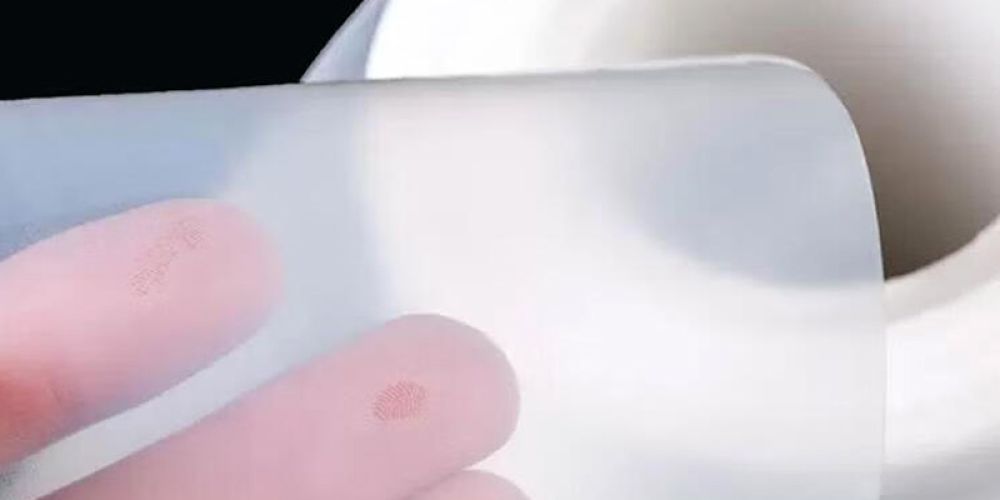
Chemical Inertness: Virtually unreactive with almost all chemical substances; resistant to acids, alkalis, and organic solvents…
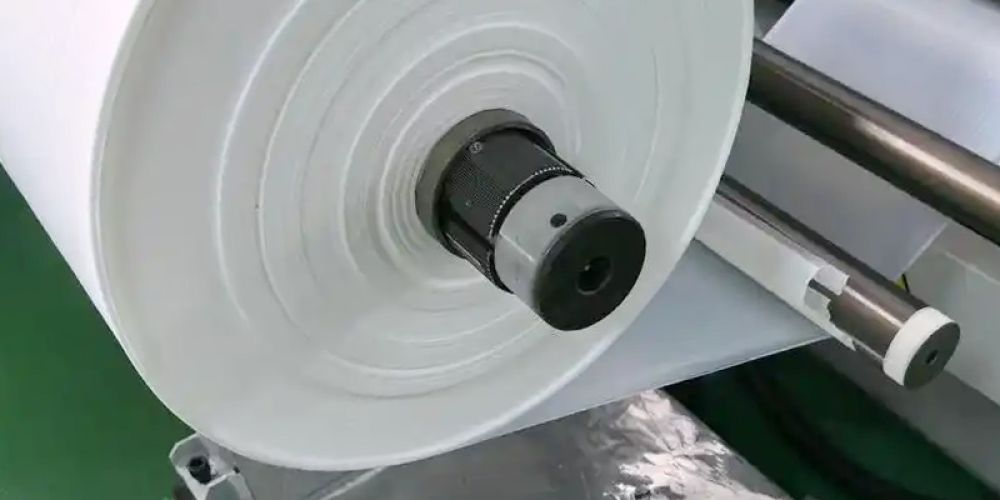
PTFE (polytetrafluoroethylene) film is a high-performance engineering plastic film renowned for its excellent chemical stability, high-temperature…
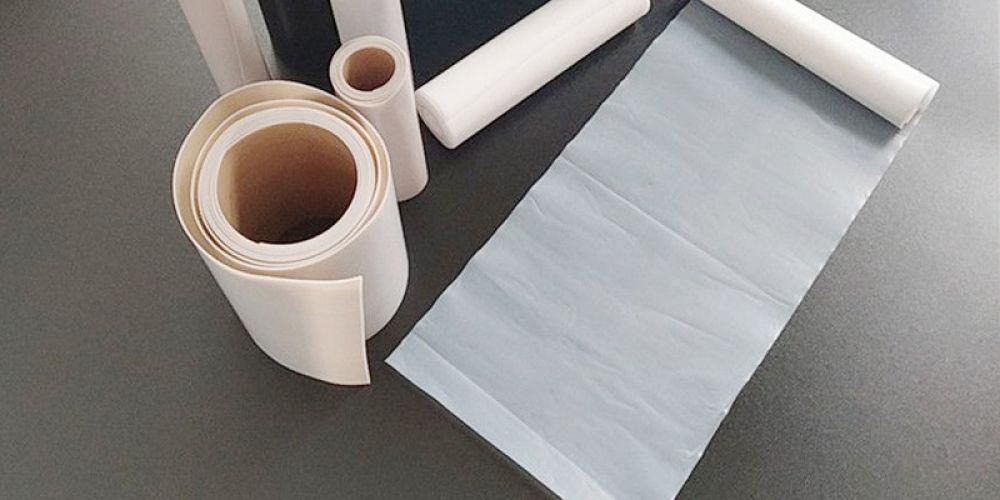
Microporous Structure Porosity exceeds 85%, with 1.4 billion micropores per square centimeter and pore sizes ranging…