• info@chinapuxiong.com

BLOGS

All Blogs

What are the light transmittance rates of PTFE film and PVC film respectively

I. Light Transmittance of PTFE Membrane

Typical Range

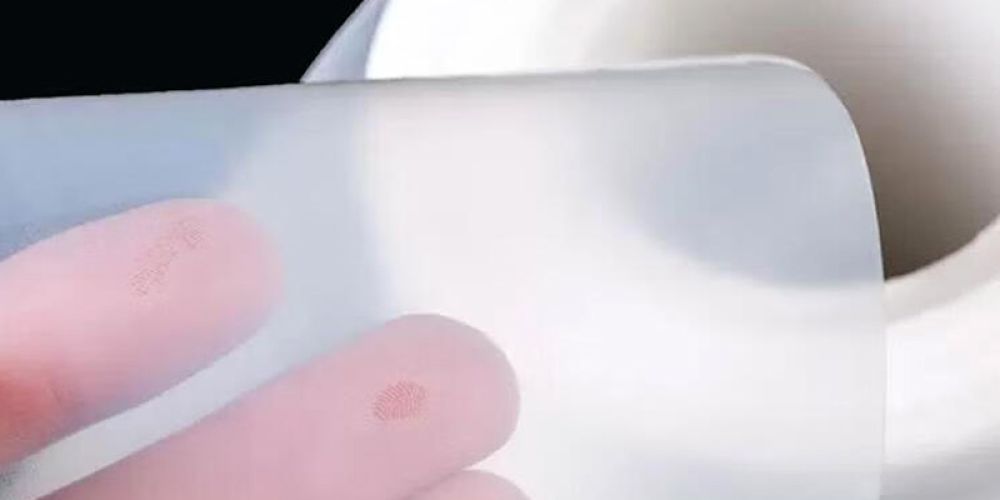
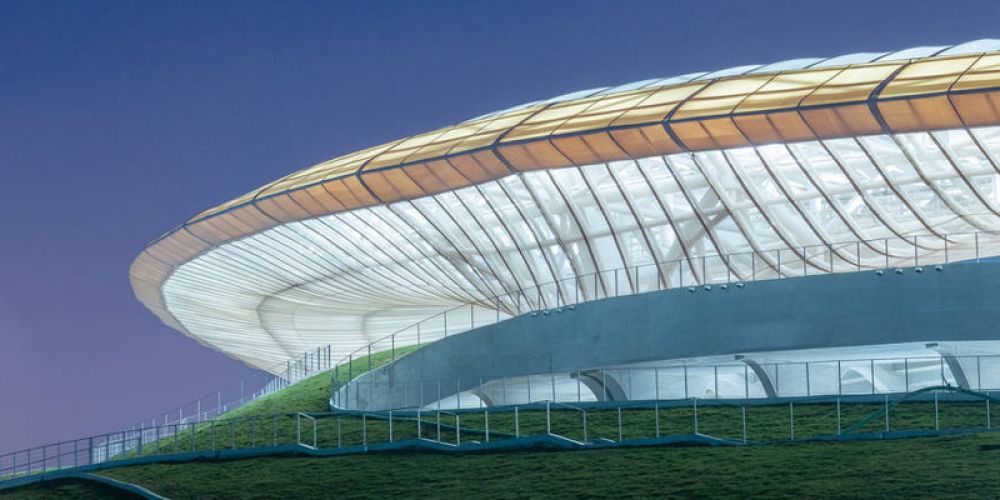
  • Untinted transparent membrane: Light transmittance typically ranges from 10% to 15%, suitable for applications requiring soft natural light (e.g., stadium grandstand shading).
  • High-transmittance membrane: Through optimized coating formulation and base fiber density, transmittance can reach 20% to 30% (e.g.,某些建筑屋顶采光带 - some architectural roof lighting strips).
  • Tinted membrane: The addition of pigments significantly reduces light transmittance (e.g., grey membrane with approx. 5%-10% transmittance), used for shading or artistic effects.

Key Factors Affecting Light Transmittance

  • Coating thickness: Thicker coatings increase light scattering and reduce transmittance (typical coating thickness ranges from 20–50 μm).
  • Fiber density: Higher glass fiber weave density lowers transmittance (common warp and weft densities range from 18×18 to 30×30 threads/cm).
  • Surface treatment: The smoothness of the PTFE coating affects light reflection and refraction; a smoother surface helps minimize light loss.

Application Scenarios

  • Low transmittance requirements: Large stadium roofs (e.g., sections of the Beijing Olympics "Bird's Nest"), balancing lighting and shading.
  • High durability scenarios: Corrosive environments such as chemical plants and waste treatment sites, where weather resistance takes precedence over transmittance.

II. Light Transmittance of PVC Membrane

Typical Range

  • Uncoated transparent PVC membrane: Light transmittance can reach 85%–90%, approaching that of glass, but weather resistance is poor, making it rarely used alone.
  • Plasticized PVC membrane: Adding plasticizers reduces transmittance to 70%–80%, improving flexibility for use in temporary structures or exhibition halls.
  • Coated PVC membrane (e.g., PVDF coating):
    • Light colors (white, beige): Transmittance around 15%–25%, balancing lighting and shading.
    • Dark colors (grey, black): Transmittance below 10%, used for strong shading or privacy protection.
    • High-transmittance type: Through special formulations and processes, transmittance can reach 30%–40% (e.g., some commercial complex skylights).

Key Factors Affecting Light Transmittance

  • Plasticizer content: Higher plasticizer ratios enhance flexibility but reduce transmittance due to increased light scattering.
  • Coating type: PVDF coating offers better transmittance than pure PVC coatings (less light scattering).
  • Thickness: Each 0.1 mm increase in membrane thickness reduces transmittance by approximately 5%–10% (common thickness: 0.5–1.2 mm).

Application Scenarios

  • Medium transmittance requirements: Commercial exhibition halls and convention centers requiring a balance between natural and artificial lighting.
  • Budget projects: Temporary structures and agricultural greenhouses, where cost is lower than PTFE membranes and basic lighting needs are met.