Membrane Materials: A Comprehensive Overview
Membrane materials are polymeric materials with selective separation functions, widely used in construction, environmental protection, energy, healthcare, and other fields. Their properties and characteristics can be analyzed comprehensively from four dimensions: physical, chemical, mechanical, and functional attributes, as detailed below:
I. Physical Properties
Lightweight and High Strength
- Low density: Typically 1.2–1.5 g/cm³, only 1/5 to 1/6 that of steel, facilitating transportation and installation.
- High specific strength: Enhanced fiber orientation through stretching or weaving processes achieves tensile strengths of 50–200 MPa (e.g., PTFE-coated glass fiber membranes), close to that of aluminum alloys.
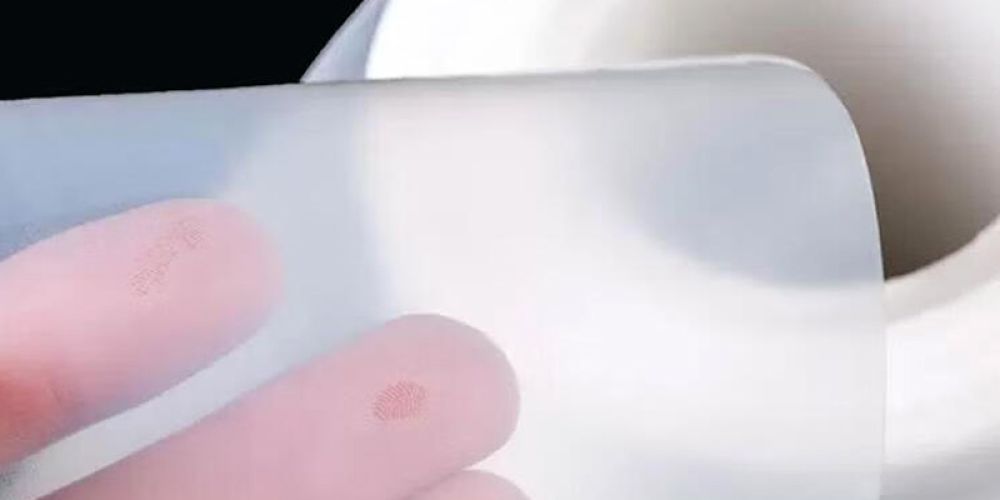
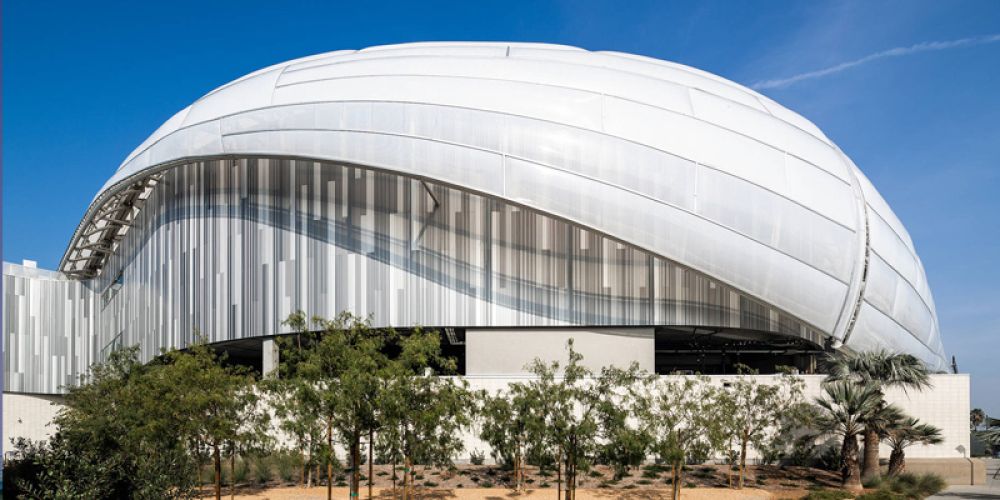
- Flexibility: Can be bent into cylinders with diameters as small as a few centimeters without cracking, adapting to complex curved structures (e.g., inflatable or tensile membrane roofs).
Light Transmittance and Opacity
- Transmittance: ETFE membranes offer 90%–95% light transmittance, similar to glass; PVC/PVDF membranes range from 10%–30%, adjustable with pigments.
- Opacity coatings: Some membranes (e.g., PVC) are coated with titanium dioxide or iron oxide for shading, thermal insulation, or artistic effects.
Thermal Performance
- Low thermal conductivity: Typically 0.1–0.5 W/(m·K), effectively reducing heat transfer and lowering energy consumption in buildings.
- Thermal expansion coefficient: Significantly different from metals or concrete, requiring design considerations for thermal deformation compensation (e.g., expansion joints).
II. Chemical Properties
Corrosion Resistance
- Fluoropolymer membranes (PTFE, ETFE): Extremely chemically stable, resistant to acids, alkalis, salts, and organic solvents, with a service life exceeding 25 years.
- PVC membranes: Require plasticizers and stabilizers; prone to degradation under prolonged UV or high-temperature exposure, necessitating protective coatings.
Weather Resistance
- UV resistance: ETFE membranes absorb UV radiation through molecular structure without surface degradation; PVC membranes require UV absorbers and have a lifespan of 10–15 years.
- Ozone resistance: Fluoropolymer membranes are insensitive to ozone, making them suitable for high-altitude or industrially polluted areas.
Self-Cleaning Properties
- PTFE membranes: Smooth surface (contact angle >110°), cleaned by rainwater, reducing maintenance costs.
- ETFE membranes: Can be coated with nano-titanium dioxide for photocatalytic decomposition of organic pollutants, enabling "self-cleaning."
III. Mechanical Properties
Tear Resistance
- Woven base membranes (e.g., PTFE-coated glass fiber): Warp/weft tear strength up to 500–1000 N/5 cm, far exceeding that of single-layer plastic films.
- Thermoplastic membranes (e.g., PVC): Biaxial stretching enhances molecular orientation, increasing tear resistance by 3–5 times.
Elastic Modulus and Poisson’s Ratio
- Low modulus: Typically 100–1000 MPa, only 1/200 to 1/20 that of steel, requiring pretension to achieve structural stiffness.
- High Poisson’s ratio (0.4–0.5): Significant lateral deformation under stress, necessitating biaxial stress distribution in design.
Fatigue Life
- Under dynamic loads: Fatigue life exceeds 10⁶ cycles under repeated wind or snow loads (e.g., ETFE air cushions).
- Under static loads: Low creep rate; PTFE membranes show <1% creep over 10 years, ensuring structural stability.
IV. Functional Properties
Selective Separation Performance
- Microporous membranes (e.g., PTFE): Pore size 0.1–10 μm, used in air filtration and water treatment (reverse osmosis pre-filtration).
- Dense membranes (e.g., ETFE monolayers): Low gas permeability, suitable for airtight inflatable structures.
Flame Retardancy
- B1 flame retardancy: PTFE and ETFE membranes have an oxygen index >32%, self-extinguishing when removed from fire, complying with building fire codes.
- PVC membranes: Require flame retardants to achieve B2 rating; dripping during combustion may cause secondary fires.
Acoustic Performance
- Sound absorption: Porous membranes (e.g., PTFE fiber membranes) achieve absorption coefficients of 0.6–0.8 (500–2000 Hz), suitable for noise reduction in stadiums and theaters.
- Sound insulation: Single-layer ETFE membranes provide 20–25 dB insulation; double-layer air cushions can exceed 35 dB.
Environmental Adaptability
- Low-temperature resistance: ETFE membranes remain flexible below -100°C, suitable for polar research stations and extreme environments.
- Wind uplift resistance: Pretension designs enable membrane structures to withstand winds exceeding 200 km/h (e.g., typhoon-prone regions).
V. Typical Membrane Materials Comparison
| Material Type |
Representative Products |
Advantages |
Disadvantages |
Application Scenarios |
| Fluoropolymer Membranes |
PTFE, ETFE |
High weather resistance, self-cleaning, high transmittance |
High cost, difficult processing |
Large stadiums, inflatable structures |
| PVC Membranes |
PVC, PVDF |
Low cost, colorful, easy processing |
Poor weather resistance, requires maintenance |
Temporary structures, commercial exhibits |
| Thermoplastic Polyurethane |
TPU |
Elastic, wear-resistant, recyclable |
Weak UV resistance |
Inflatable products, medical membranes |
| Silicone Rubber Membranes |
Silicone-coated glass fiber |
High temperature and chemical resistance |
High cost, low transmittance |
Aerospace, industrial seals |
VI. Industry Trends and Challenges
High Performance: Development of nanocomposite membranes with high strength, high transmittance, and self-healing capabilities.
Smart Functionality: Integration of sensors and actuators for adaptive control of membrane structures (e.g., adjusting transmittance based on light conditions).
Sustainability: Promotion of bio-based membranes (e.g., PLA) and biodegradable coatings to reduce microplastic pollution.
Standardization Challenges: Performance varies significantly with base materials, coatings, and processes, necessitating improved testing and evaluation standards.
Membrane materials, with their unique physical, chemical, and functional properties, have become critical in modern construction and industrial applications. Advances in materials science and manufacturing technology will continue to expand their applications, driving progress in green building and smart manufacturing.