
.jpg)
Applications of High-Frequency (HF) Welding Technology
Critical Considerations for HF Welding
| Factor | Technical Requirements |
|---|---|
| Material Validation | Dielectric loss tangent ≥0.05 (ASTM D150) |
| Parameter Optimization | Power: 5-40kW, Pressure: 0.5-3MPa, Time: 1-10s |
| EMF Safety | ≤50 V/m exposure (ICNIRP 2020 guidelines) |
| Tooling Design | Copper-beryllium molds (HRC 40-45, Ra ≤0.8μm) |
HF welding achieves ≤0.1mm alignment accuracy and ≥95% energy efficiency in these applications, with cycle times 50-70% faster than ultrasonic methods. Industrial implementations require compliance with IEC 60601 (medical) and ISO 14001 (environmental) standards.
.jpg)
In the construction field, the heat-sealing production methods for different new membrane materials vary depending on…
.jpg)
In the construction field, the heat-sealing of PVDF membrane materials is mainly achieved through processes such…
.jpg)
Due to its unique molecular structure and excellent overall performance, PVDF (polyvinylidene fluoride) membrane material is…
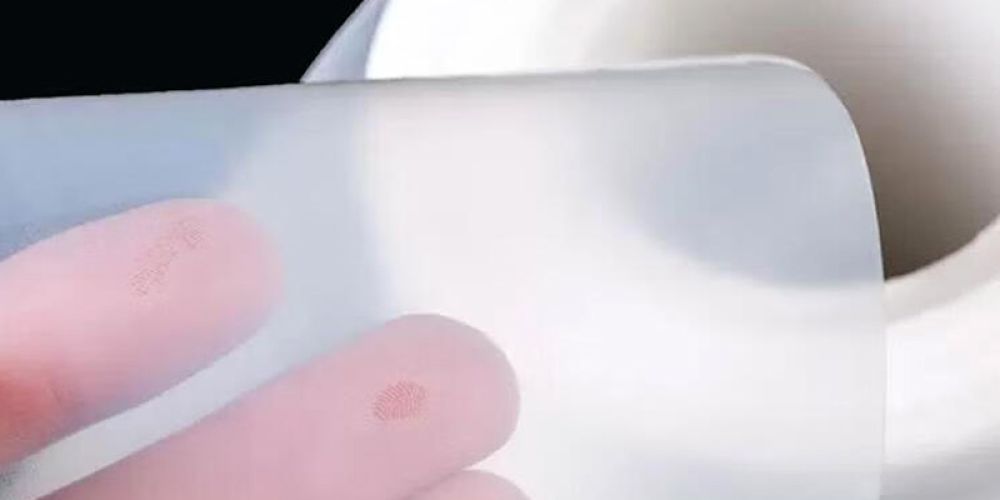
Chemical Inertness: Virtually unreactive with almost all chemical substances; resistant to acids, alkalis, and organic solvents…
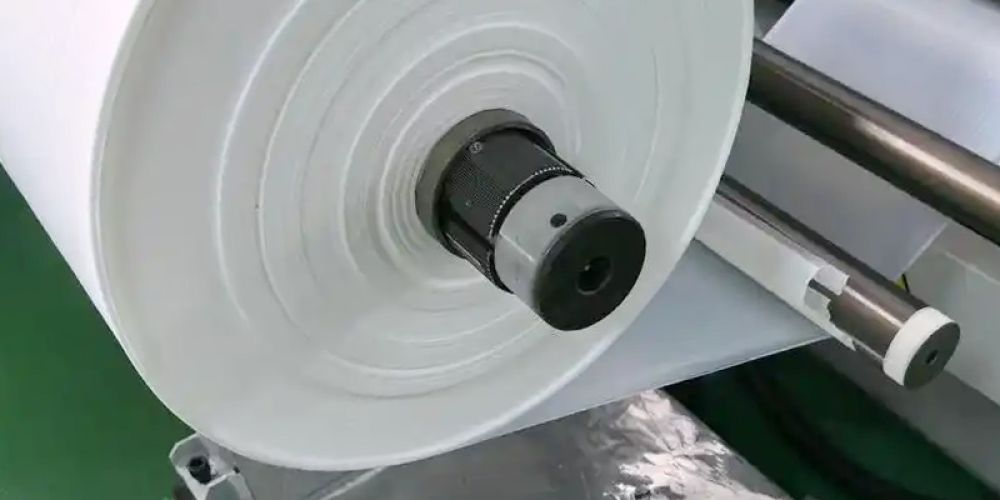
PTFE (polytetrafluoroethylene) film is a high-performance engineering plastic film renowned for its excellent chemical stability, high-temperature…
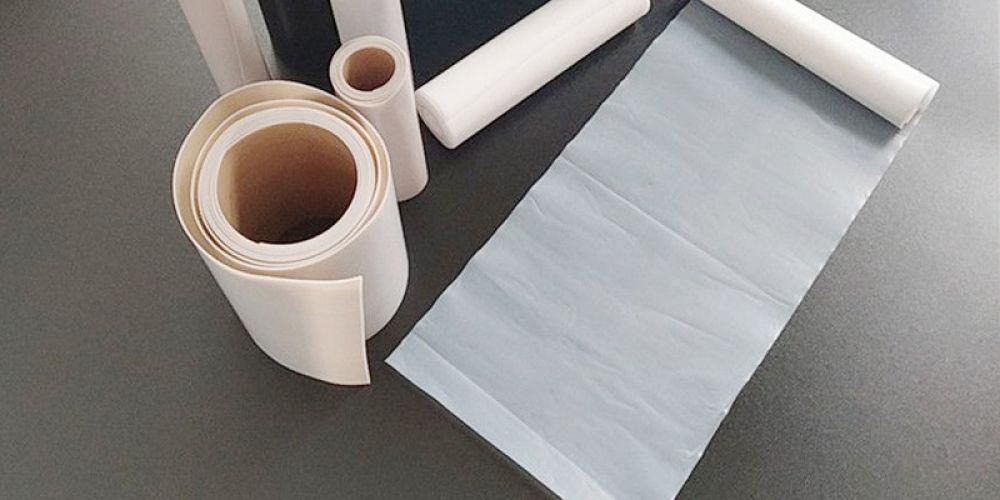
Microporous Structure Porosity exceeds 85%, with 1.4 billion micropores per square centimeter and pore sizes ranging…