
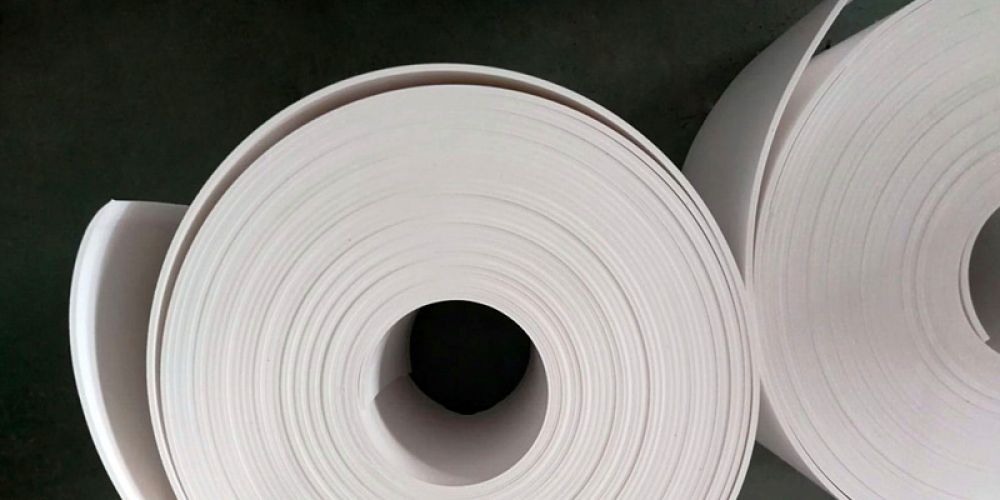
High-Frequency (HF) Welding Precision of Membrane Materials
The precision of HF welding is influenced by multiple factors, including equipment performance, material properties, process control, and mold design. Under optimized conditions, welding positional accuracy typically reaches ±0.1–0.3mm, with dimensional stability (CPK value) exceeding 1.33, meeting the demands of high-precision industries such as membrane structures, healthcare, electronics, and automotive.
Critical Factors Affecting HF Welding Precision
This systematic optimization ensures micron-level consistency in high-frequency welding, critical for applications like precision medical device packaging and automotive airbag fabrication.
.jpg)
In the construction field, the heat-sealing production methods for different new membrane materials vary depending on…
.jpg)
In the construction field, the heat-sealing of PVDF membrane materials is mainly achieved through processes such…
.jpg)
Due to its unique molecular structure and excellent overall performance, PVDF (polyvinylidene fluoride) membrane material is…
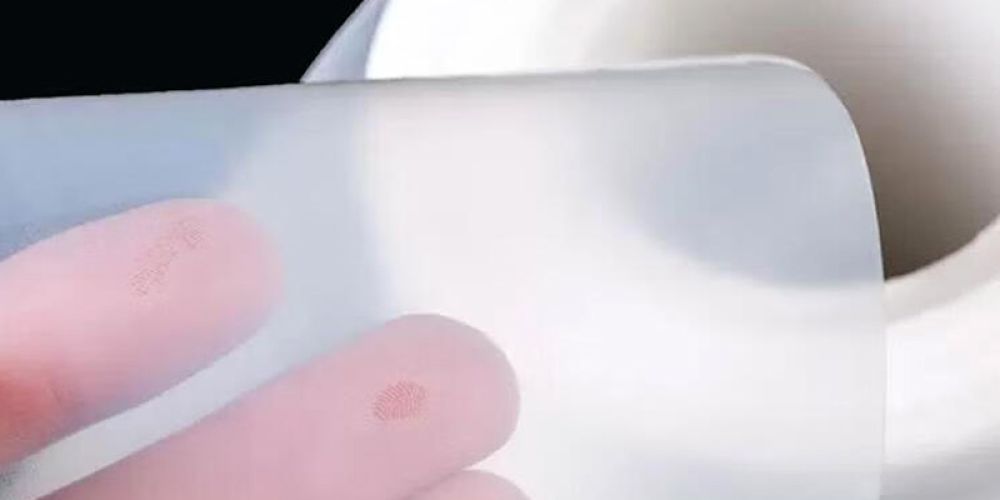
Chemical Inertness: Virtually unreactive with almost all chemical substances; resistant to acids, alkalis, and organic solvents…
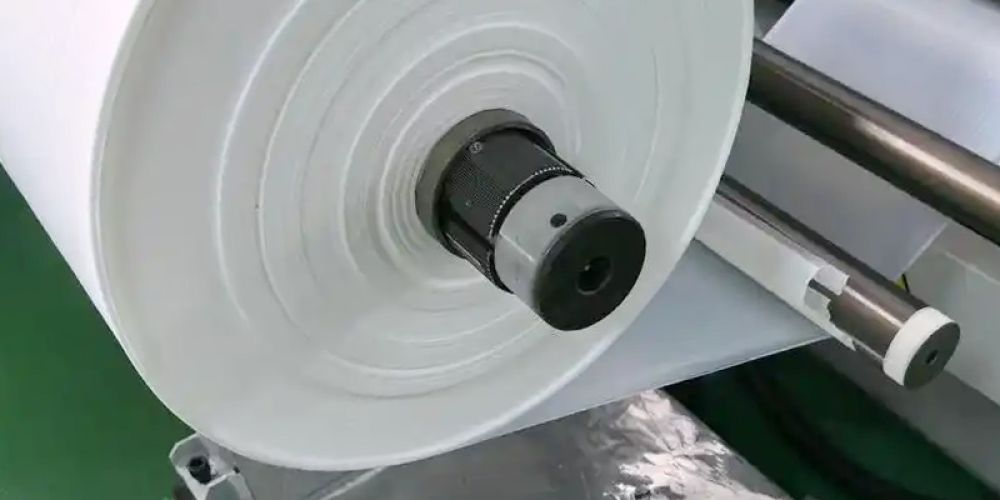
PTFE (polytetrafluoroethylene) film is a high-performance engineering plastic film renowned for its excellent chemical stability, high-temperature…
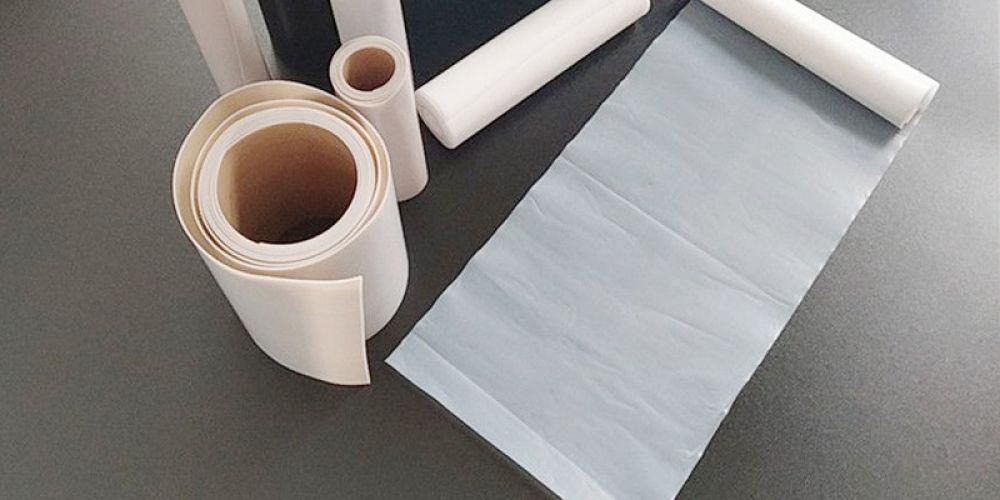
Microporous Structure Porosity exceeds 85%, with 1.4 billion micropores per square centimeter and pore sizes ranging…