
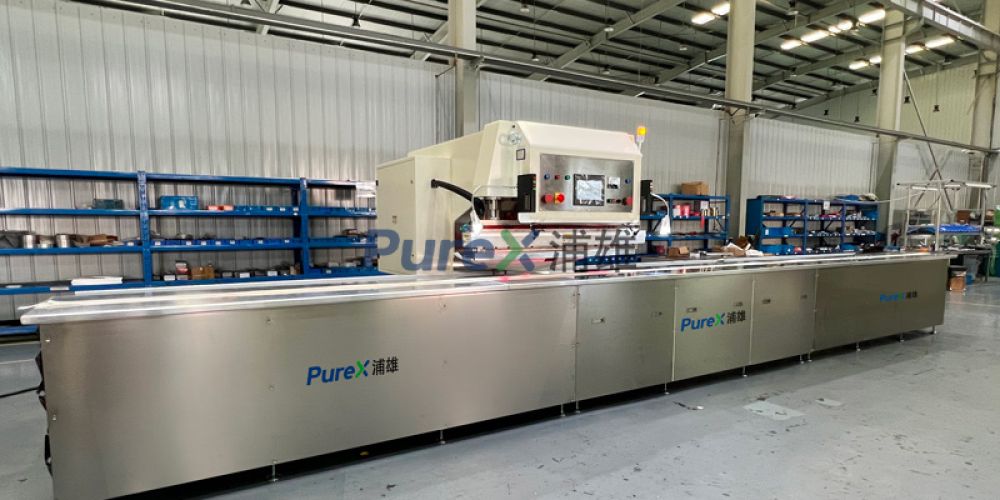
Track-mounted high-frequency welding machines for membrane materials, with their advantages of high efficiency, sealing, and automation, have become core equipment in membrane material processing across multiple industries, especially suitable for scenarios requiring long-length, large-area, or highly sealed welding. Below are typical application areas and specific case studies:
I. Membrane Structure Engineering: The "Skeleton Stitching" of Large-Scale Spatial Buildings
Membrane structure buildings (such as stadium roof membranes, inflatable membrane structures, and temporary exhibition halls) rely on the tensile strength and sealing performance of the membrane material. Track-mounted high-frequency welding machines are key processing equipment for these structures.
Application Scenarios:
Stadium Roof Membranes: Welding long-span (e.g., 50 meters+) PVC or PTFE membrane materials to form a seamless dome structure, ensuring waterproofing and wind resistance.
Inflatable Membrane Structures: Welding the edges of air cushion membranes to form sealed air chambers for building exteriors or emergency medical cabins.
Temporary Exhibition Halls: Rapidly assembling exhibition membrane materials to build detachable exhibition spaces.
Advantages: Long-length Welding: Track lengths can reach over 10 meters, supporting single welding of ultra-long membrane materials, reducing the number of splicing operations.
High weld strength: High-frequency heating fuses the molecular layers of the membrane material, resulting in weld tensile strength approaching that of the base material, meeting the wind load resistance requirements of membrane structures.
Automation efficiency: PLC control of welding parameters, combined with a vacuum adsorption worktable, enables rapid positioning and continuous welding, shortening the construction period.
Case study: A large stadium roof membrane project used a track-type high-frequency welding machine to weld 200 meters of PVC membrane material. The weld seal passed a rainstorm test, and the wind resistance rating reached level 12.
II. Advertising Packaging: Seamless Splicing for Outdoor Advertising Outdoor billboards, lightbox fabrics, and inkjet printing fabrics are exposed to wind and rain for extended periods, requiring extremely high levels of waterproofness and aesthetics in the welds.
Application scenarios: Large lightbox fabric welding: Splicing multiple pieces of PVC inkjet printing fabric to form a giant advertising image, with smooth welds and no color difference.
Flexible packaging bag production: Welding the sides or bottoms of food bags and medical bags to ensure no leakage.
Inflatable advertising models: Welding the membrane seams of inflatable arches and cartoon models to maintain airtightness.
Advantages:
* **Excellent Sealing:** High-frequency welding melts the surface of the membrane material, forming a "melt-solidify" structure, eliminating pinholes and bubbles, achieving an IPX7 waterproof rating.
* **Aesthetically Pleasing Welds:** Adjustable weld head width (e.g., 5-20mm), resulting in uniform weld width and a smooth surface, suitable for high-precision advertising needs.
* **Wide Material Compatibility:** Supports commonly used advertising membrane materials such as PVC, PE, and TPU, with thicknesses ranging from 0.1-3mm.
* **Case Study:** An advertising company created a 20m x 5m inflatable arch for a brand event, using a track-type high-frequency welding machine to weld the TPU membrane material. The welds passed airtightness tests, and there was no leakage after inflation.
* **III. Medical Protection:** A "Sealed Barrier" for Life Safety
Medical protective equipment (such as protective clothing, medical air cushions, and surgical drapes) has strict requirements for weld sealing and biocompatibility:
* **Application Scenarios:** Medical Protective Clothing: Welding the seams of protective clothing to prevent virus or liquid penetration, complying with EN14126 standards.
Medical Air Cushions: Welding the edges of the air cushion and the air chamber seams ensures airtightness and pressure resistance.
Surgical Drapes: Welding the edges of the transparent TPU membrane to create a sterile operating area.
Advantages:
* **No Glue Contamination:** High-frequency welding eliminates the need for glue, avoiding chemical residues and meeting medical-grade environmental requirements.
* **Flexible Welds:** Adjustable welding head pressure prevents the membrane from over-melting and becoming brittle, maintaining the flexibility of the protective suit.
* **High-Efficiency Production:** Track-mounted mobile welding supports continuous welding, enabling the production of over 500 sets of protective suits per day to meet emergency needs.
Case Study: A medical company producing medical protective suits uses a track-mounted high-frequency welding machine to weld the seams of PVC membrane materials. The welds passed the liquid penetration resistance test, achieving a Level 3 protection rating.
IV. Water Sports Equipment: A "Seamless Defense" for Water Safety Inflatable boats, swimming rings, and water park floats need to withstand water pressure and ultraviolet radiation for extended periods, requiring high strength and aging resistance in welds.
Application Scenarios:
Inflatable Boat Welding: Welding hull joints and air chamber partitions to ensure pressure resistance and tear resistance.
Swimming Ring Production: Welding the annular joints of PVC or TPU membrane materials to form a sealed air ring.
Water Park Floats: Welding the membrane splicing seams of large floats to withstand the impact of footsteps and water flow.
Advantages:
High Water Pressure Resistance: High-frequency welding can penetrate up to 60% of the membrane thickness, and the tensile strength of the weld is more than 3 times higher than that of adhesive bonding.
Good Aging Resistance: The weld layer is made of the same material as the base material, eliminating the risk of glue aging and cracking, extending the service life to more than 5 years.
Automated Inspection: Some equipment is equipped with weld quality inspection systems (such as pressure testing and visual inspection) to ensure product qualification rate.
Case Study: A water park customized a 20-meter-long inflatable slide, using a track-type high-frequency welding machine to weld TPU membrane material. The weld seams passed a 100kPa pressure test without leakage or deformation.
V. Agricultural Covering: The "Protective Outer Garment" for Greenhouse Crops
Greenhouse films, aquaculture pond films, and grain silo covers need to be exposed to the outdoors for extended periods, requiring strict requirements for the weather resistance and sealing of the weld seams.
Application Scenarios:
Greenhouse Film Splicing: Welding the long-side seams of PE or EVA greenhouse films to prevent rainwater leakage and heat loss.
Aquaculture Pond Film Welding: Splicing the impermeable membranes of fish ponds or shrimp ponds to create a sealed aquatic environment.
Grain Silo Cover Seaming: Welding the seams of the grain silo roof film to prevent rainwater intrusion and grain mold.
Advantages:
Strong Weather Resistance: High-frequency welding does not damage the molecular structure of the membrane material; the weld seams are resistant to ultraviolet radiation, ozone, and chemical corrosion, with a service life of 8-10 years.
Durable Sealing: The welded layer fuses seamlessly with the base material, eliminating the risk of adhesive aging and peeling, thus maintaining waterproof performance over the long term.
Large Size Adaptability: The track length is customizable, supporting single welding of membrane materials exceeding 50 meters, reducing the number of splicing operations and costs.
.jpg)
In the construction field, the heat-sealing production methods for different new membrane materials vary depending on…
.jpg)
In the construction field, the heat-sealing of PVDF membrane materials is mainly achieved through processes such…
.jpg)
Due to its unique molecular structure and excellent overall performance, PVDF (polyvinylidene fluoride) membrane material is…
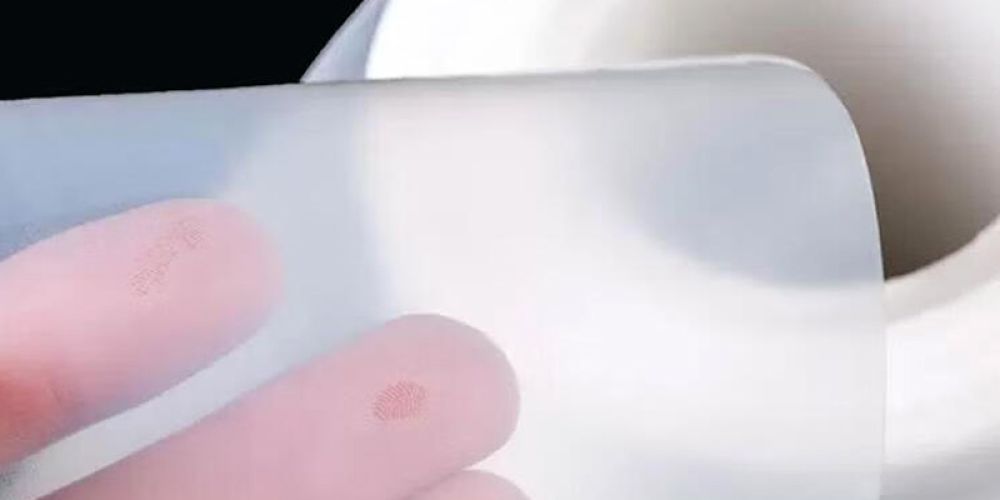
Chemical Inertness: Virtually unreactive with almost all chemical substances; resistant to acids, alkalis, and organic solvents…
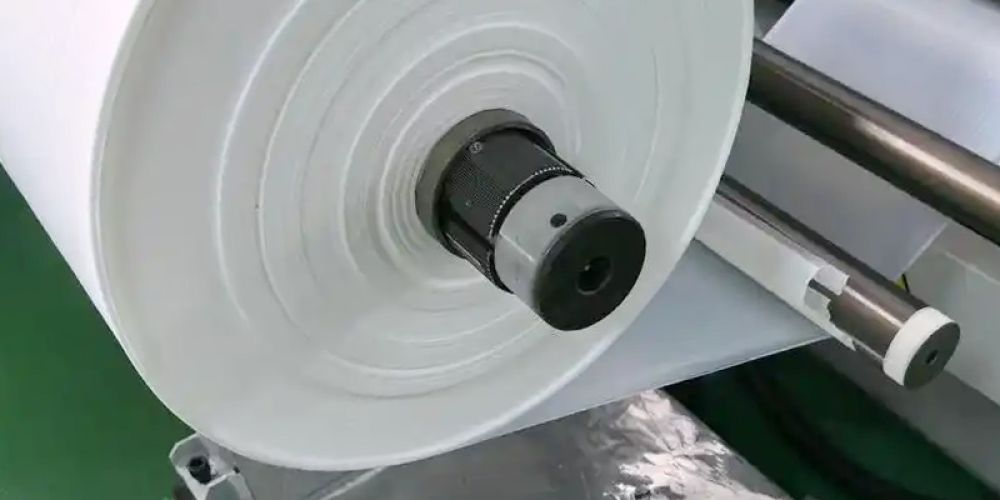
PTFE (polytetrafluoroethylene) film is a high-performance engineering plastic film renowned for its excellent chemical stability, high-temperature…
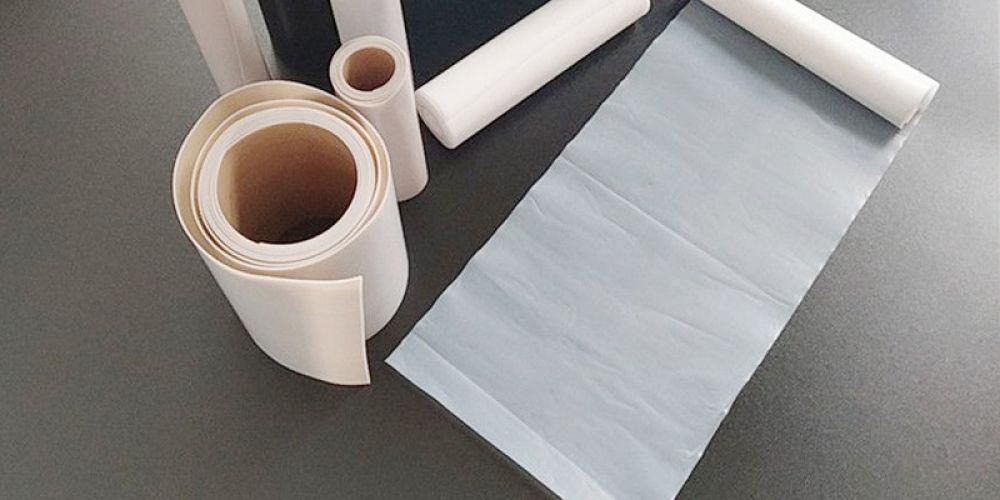
Microporous Structure Porosity exceeds 85%, with 1.4 billion micropores per square centimeter and pore sizes ranging…