
.jpg)
A high-power heat sealing machine is a device that uses high-frequency electromagnetic waves or heat energy to heat materials (especially thermoplastics such as plastics and rubber) to a molten state to achieve bonding. It is widely used in industrial production. Its core advantages lie in its high efficiency, strong bond, and excellent sealing performance, making it particularly suitable for scenarios requiring high strength or special environments (such as waterproofing, dustproofing, and corrosion resistance). The following are its main application areas and characteristics:
I. Main Application Areas
Packaging Industry
Food Packaging: Used to produce plastic bags, composite film packaging (such as potato chip bags, coffee bags), vacuum packaging, etc., ensuring airtightness and extending food shelf life.
Pharmaceutical Packaging: Used to produce aluminum foil composite bags for pharmaceuticals, blister packaging (PTP), etc., meeting sterility and moisture-proof requirements.
Industrial Product Packaging: Packaging electronic components, hardware tools, daily necessities, etc., providing dustproof and shockproof protection.
Automotive Manufacturing
Interior Sealing: Heat-sealing automotive headliners, carpets, sound insulation cotton, etc., achieving a strong connection without needles or glue.
Wiring Harness Protection: Heat-shrink tubing is applied to automotive wiring harnesses, shrinking and wrapping the wires through heat to provide insulation and abrasion protection.
Airbag Encapsulation: High-power heat-sealing machines are used to seal airbags, ensuring no leakage under extreme conditions.
Electronics & Electrical Appliances
Battery Encapsulation: The aluminum-plastic film packaging of lithium-ion batteries requires heat sealing to achieve airtightness and prevent electrolyte leakage.
Electronic Component Protection: Heat-sealing waterproof membranes, dust covers, etc., protects circuit boards or sensors from environmental damage.
Flexible Printed Circuit Boards (FPCs): Used for heat-pressing FPCs and connectors to achieve high-precision electrical connections.
Medical Industry
Disposable Medical Supplies: Production of infusion bags, blood bags, surgical gowns, masks, etc., requiring sterility and non-toxicity.
Medical Catheters: Heat-sealing PVC or silicone catheters to ensure leak-free connections for infusion or drainage.
Footwear & Apparel
Upper Composites: Heat-sealing different materials (such as leather, fabric, TPU film) together to improve the strength and waterproofness of the shoe upper.
Waterproof Clothing: Used to make waterproof jackets, raincoats, etc., achieving complete waterproofing through heat-sealing of seams.
Building Materials & Home Furnishings
Waterproof Membranes: Heat-sealed PVC or TPO waterproof membranes for roofing or underground waterproofing projects.
Inflatable Products: Produced inflatable mattresses, swimming rings, advertising inflatable models, etc., ensuring airtightness.
II. Technical Features and Advantages
High Efficiency and Energy Saving: High-power design allows for rapid material heating, shortening production cycles and reducing energy consumption.
High Bonding Strength: The molten material molecules are tightly bonded, far exceeding the strength of glue or sewing.
Environmentally Friendly and Pollution-Free: No glue or solvents are needed, avoiding volatile organic compound (VOC) emissions.
High Adaptability: Can handle various thermoplastic materials (such as PE, PP, PVC, EVA, etc.), supporting workpieces of different thicknesses and shapes.
High Degree of Automation: Often integrated with robotic arms, conveyor belts, and other equipment to achieve fully automated production.
III. Selection and Precautions
Power Matching: Select an appropriate power (e.g., 5kW-50kW) based on material thickness and production speed to avoid insufficient power leading to weak adhesion or overheating and material damage.
Frequency Selection: High-frequency heat sealers (e.g., 13.56MHz, 27.12MHz) are suitable for thin materials, while medium-frequency (e.g., 1kHz-100kHz) are suitable for thick materials or metallized films.
Mold Design: Customized molds must consider material flowability and heating uniformity to avoid localized overheating or incomplete adhesion.
Safety Protection: Equip with shielding covers and leakage protection devices to prevent the impact of high-frequency electromagnetic radiation on operators.
.jpg)
In the construction field, the heat-sealing production methods for different new membrane materials vary depending on…
.jpg)
In the construction field, the heat-sealing of PVDF membrane materials is mainly achieved through processes such…
.jpg)
Due to its unique molecular structure and excellent overall performance, PVDF (polyvinylidene fluoride) membrane material is…
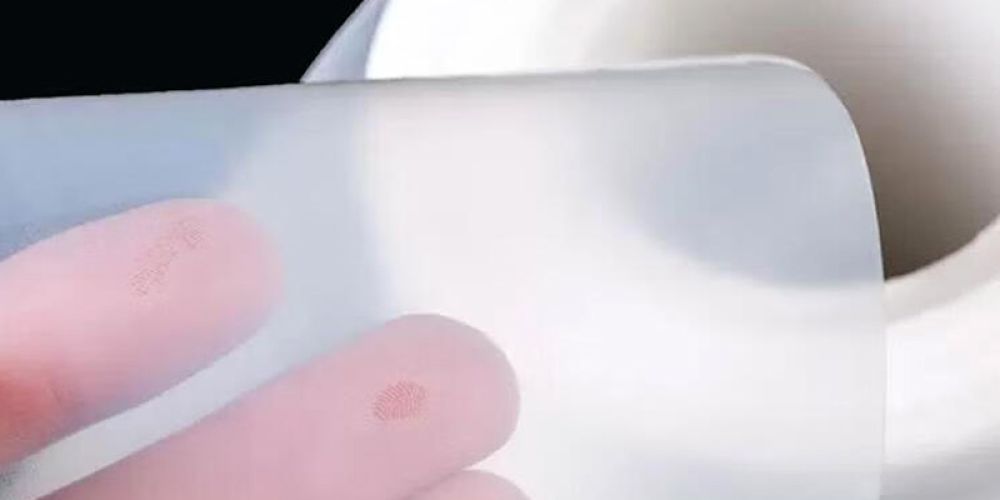
Chemical Inertness: Virtually unreactive with almost all chemical substances; resistant to acids, alkalis, and organic solvents…
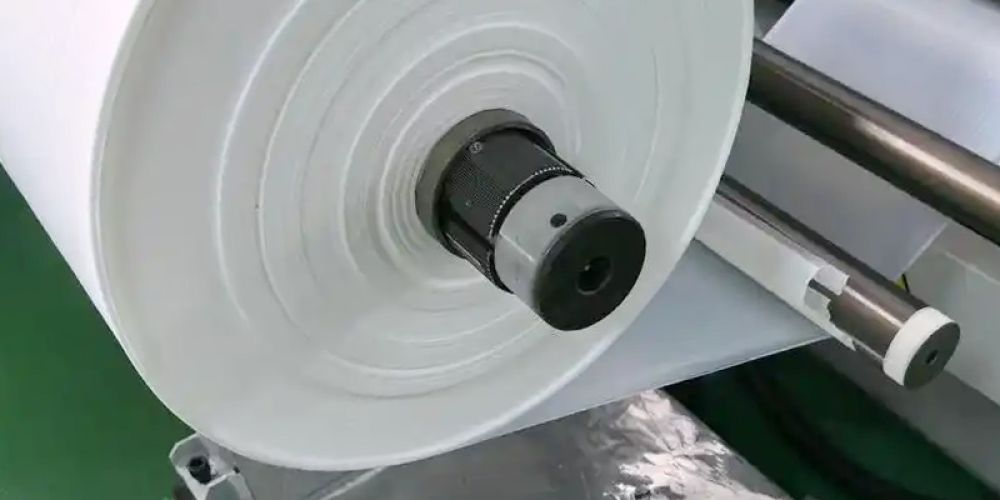
PTFE (polytetrafluoroethylene) film is a high-performance engineering plastic film renowned for its excellent chemical stability, high-temperature…
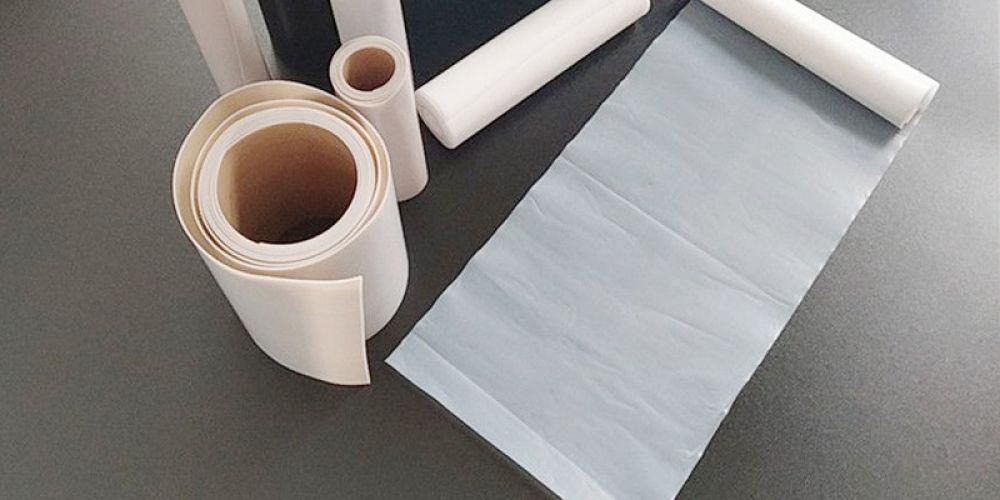
Microporous Structure Porosity exceeds 85%, with 1.4 billion micropores per square centimeter and pore sizes ranging…