
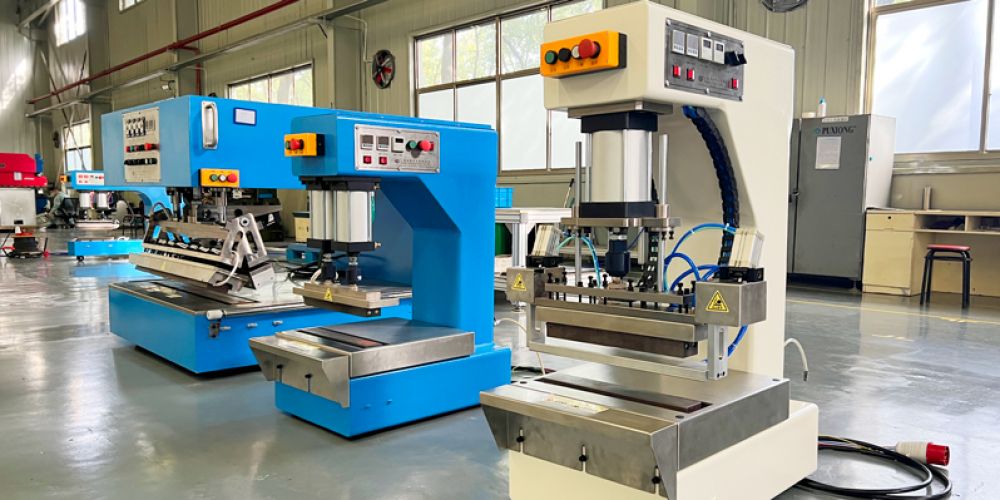
Heat sealing equipment, as a core tool for material bonding, is widely used in membrane architecture, automotive, medical, and other fields. With advancements in materials science and increasing demands for industrial automation, heat sealing technology is developing towards higher efficiency, intelligence, greenness, and precision. The following analysis focuses on equipment classification:
I. Core Classifications and Technical Characteristics of Heat Sealing Equipment
1. High-Frequency Heat Sealing Machine (Radio Frequency Welding)
Principle: Utilizes a high-frequency electromagnetic field (13.56MHz or 27.12MHz) to generate heat through friction between polar molecules (such as chlorine atoms in PVC), achieving fusion welding.
Technical Characteristics:
* Non-contact heating: Avoids mechanical pressure damage to materials, suitable for thin-layer (0.1-5mm) welding.
* Rapid response: Heating time of 0.1-1 second, suitable for high-speed continuous production (e.g., 500 pieces/minute).
* Concentrated energy: Smooth weld edges, slag rate less than 0.1%.
Typical applications:
* Medical field: Welding of PVC blood bags and infusion tubes (requires USP Class VI biocompatibility testing).
Automotive Interiors: Composite welding of PVC carpets and sound insulation felt (weld strength up to 20N/15mm).
Packaging Industry: Sealing welding of inflatable toys and raincoats (air tightness up to 10⁻⁶ Pa·m·s).
2. Pulse Heat Sealing Machine
Principle: Welding is achieved by heating a nickel-chromium alloy wire with a pulsed current, instantly melting the material surface.
Technical Features:
Precise Temperature Control: ±1℃ accuracy, avoiding heat damage to sensitive materials.
Discontinuous Heating: Suitable for irregularly shaped structures (e.g., circular, arc-shaped welding).
Small Equipment Size: Portable design, suitable for on-site repair.
Typical Applications:
Lithium Battery Manufacturing: Side sealing of aluminum-plastic film (air tightness 10⁻⁶ Pa·m·s).
Pharmaceutical Packaging: Welding of PVC/Al foil blister packs (compliant with ISO 11607-1 standard).
Aerospace: Repair of composite honeycomb structures (weld strength >30MPa).
Heat sealing equipment is evolving from single-function applications towards intelligence, green technology, and precision. The core driving force behind its technological upgrades comes from material innovation (such as high-barrier composite films and lightweight alloys) and industry demands (such as new energy vehicle battery packaging and flexible electronics manufacturing). In the future, with the integration of 5G, artificial intelligence, and the Internet of Things, heat sealing equipment will break through towards adaptive control, remote operation and maintenance, and full lifecycle management, providing more efficient connectivity solutions for high-end manufacturing.
.jpg)
In the construction field, the heat-sealing production methods for different new membrane materials vary depending on…
.jpg)
In the construction field, the heat-sealing of PVDF membrane materials is mainly achieved through processes such…
.jpg)
Due to its unique molecular structure and excellent overall performance, PVDF (polyvinylidene fluoride) membrane material is…
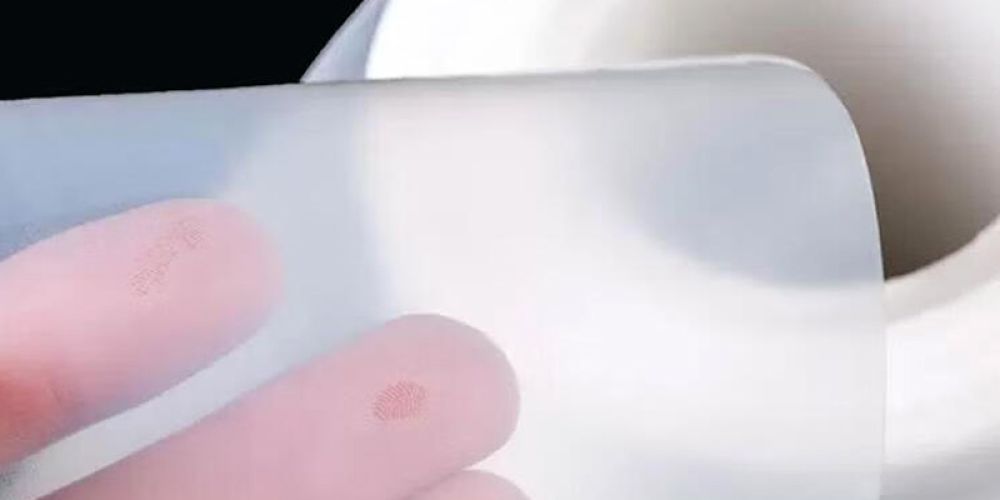
Chemical Inertness: Virtually unreactive with almost all chemical substances; resistant to acids, alkalis, and organic solvents…
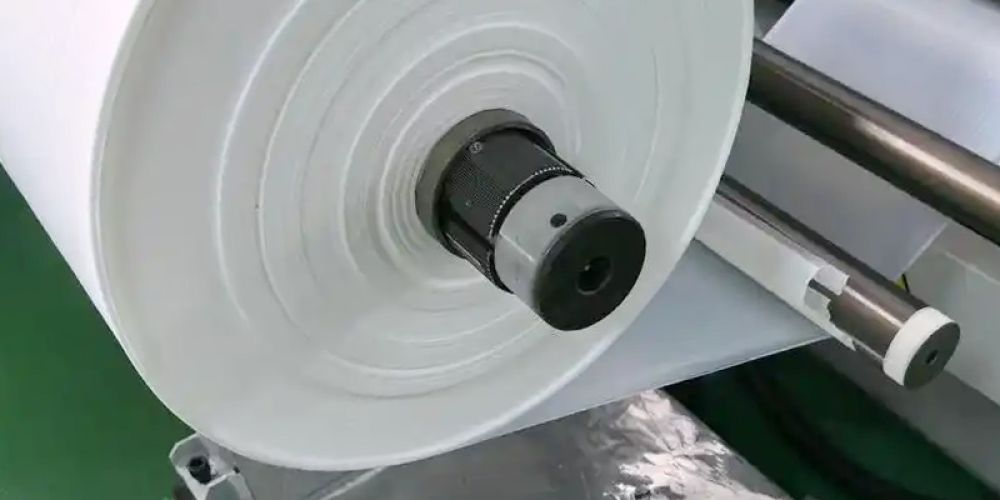
PTFE (polytetrafluoroethylene) film is a high-performance engineering plastic film renowned for its excellent chemical stability, high-temperature…
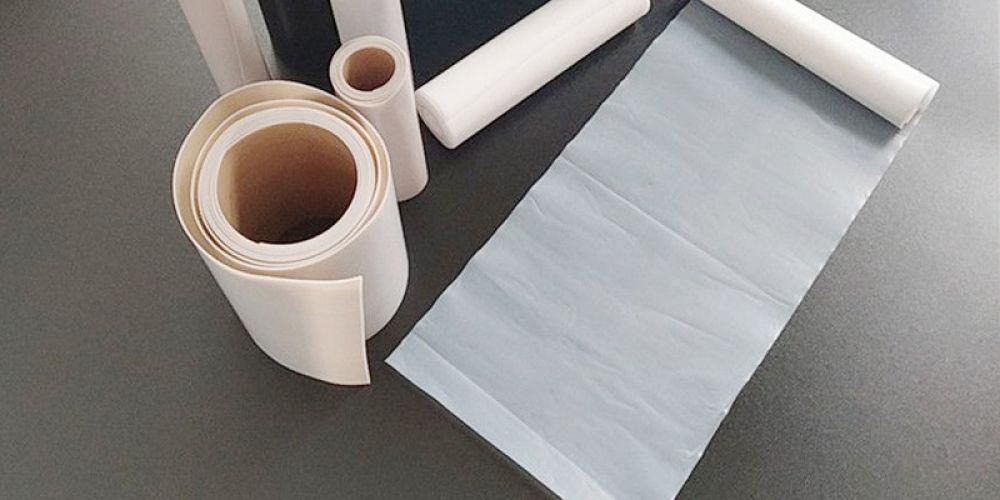
Microporous Structure Porosity exceeds 85%, with 1.4 billion micropores per square centimeter and pore sizes ranging…