
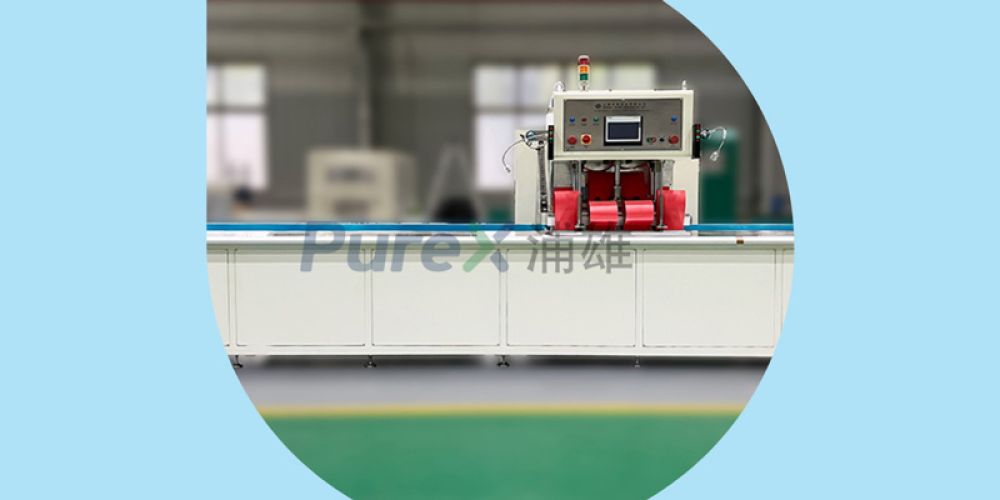
The welding speed of a mobile membrane welding machine is affected by multiple factors, including equipment type, welding process, membrane material characteristics, and operating environment, typically ranging from 0.5 m/min to 15 m/min. The following is a detailed analysis:
Core Factors Affecting Welding Speed
Welding Process Type
High-Frequency Welding: Faster speed, typically reaching 5-10 m/min (e.g., PVC membrane welding).
Principle: Heating the membrane contact surface with high-frequency current, melting it, and then applying pressure to bond it. Suitable for thin, thermoplastic membrane materials.
Constant Temperature Welding: Slower speed, approximately 3-5 m/min. Suitable for small areas or special membrane materials (e.g., composite membranes).
Membrane Material Characteristics
Thickness: The thicker the membrane material, the longer the heating and melting time, and the slower the speed (e.g., the speed of a 2mm thick membrane material may be less than 50% of that of a 0.5mm thick membrane material).
Material: The welding speed of thermoplastic materials such as PVC and PE is generally faster than that of high-temperature resistant materials such as PTFE and ETFE.
Surface Treatment: Coatings or composite membrane materials may require adjustments to welding parameters, affecting speed.
Equipment Performance:
Power: Higher power high-frequency welding machines (e.g., 8kW vs. 12kW) heat up faster, increasing speed by approximately 20%-30%.
Control System: Closed-loop control (real-time monitoring of temperature and pressure) is more stable than open-loop control, reducing downtime for adjustments.
Mount Mobility: Tracked systems are more precise than wheeled systems, but wheeled equipment may have speed limitations in complex terrain.
Operating Environment:
Temperature: In low-temperature environments (e.g., outdoor winter), preheating of the membrane material is required, reducing speed by approximately 10%-20%.
Humidity: High humidity may cause the membrane material to absorb moisture, affecting welding quality; speed must be reduced to ensure stability.
Wind Speed: In outdoor operations, strong winds may affect hot air or laser welding results; parameter adjustments or speed reduction are necessary.
.jpg)
In the construction field, the heat-sealing production methods for different new membrane materials vary depending on…
.jpg)
In the construction field, the heat-sealing of PVDF membrane materials is mainly achieved through processes such…
.jpg)
Due to its unique molecular structure and excellent overall performance, PVDF (polyvinylidene fluoride) membrane material is…
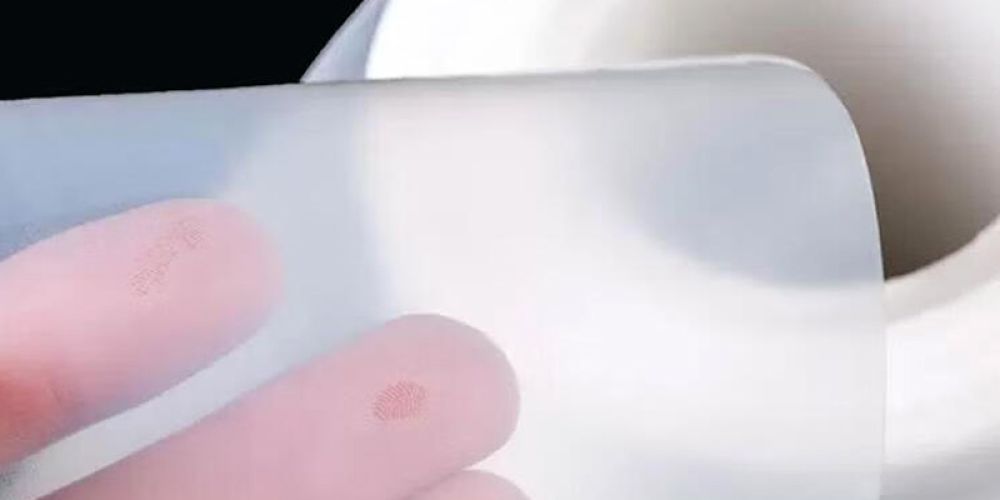
Chemical Inertness: Virtually unreactive with almost all chemical substances; resistant to acids, alkalis, and organic solvents…
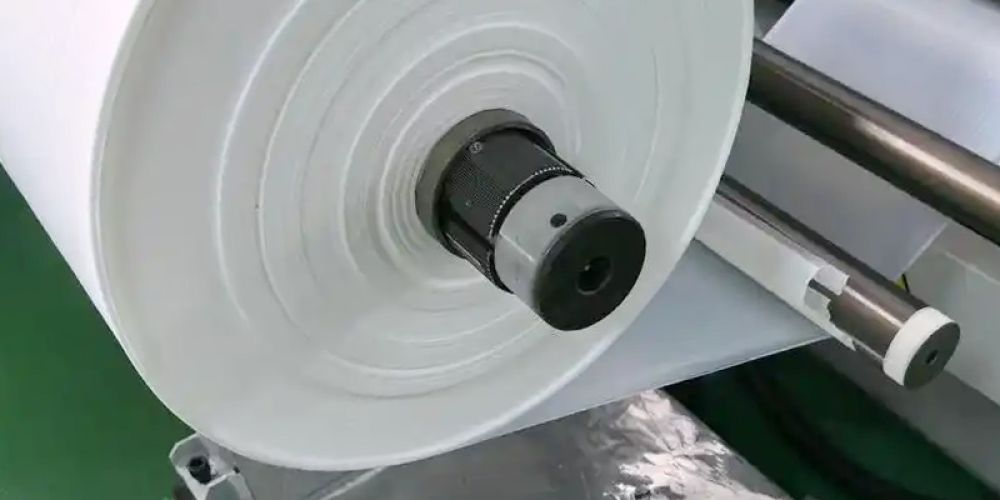
PTFE (polytetrafluoroethylene) film is a high-performance engineering plastic film renowned for its excellent chemical stability, high-temperature…
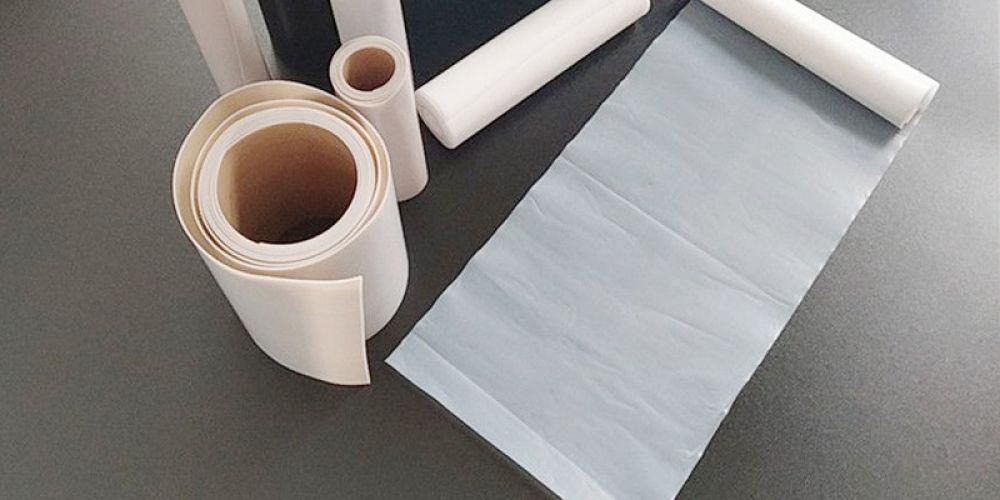
Microporous Structure Porosity exceeds 85%, with 1.4 billion micropores per square centimeter and pore sizes ranging…