
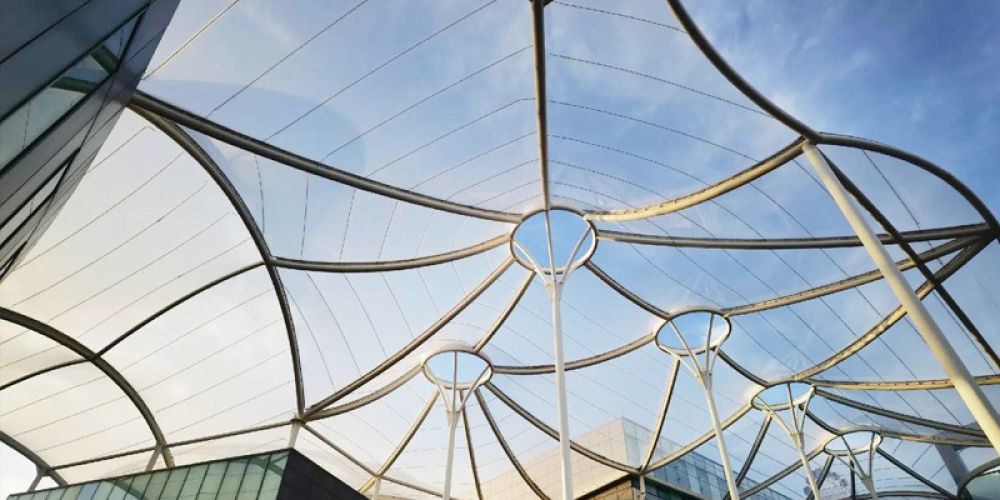
ETFE (ethylene-tetrafluoroethylene copolymer) membrane material is a high-performance fluoropolymer material widely used in construction, environmental protection, and industrial fields due to its unique molecular structure and processing properties. The following are the core characteristics and technical analysis of ETFE membrane material:
I. Excellent Physical Properties
Lightweight and High-Strength
Low Density: ETFE has a density of only 1.7-1.8 g/cm³, approximately 1/3 that of glass and 1/25 that of steel, significantly reducing the load on building structures.
High Tensile Strength: Tensile strength reaches 40-60 MPa, and elongation at break exceeds 300%, far exceeding traditional architectural membrane materials (such as PVC at 15-30 MPa), capable of withstanding extreme weather such as strong winds and snow loads.
High Impact Resistance: Passing the ASTM D3029 test, ETFE membrane material can withstand hailstones with a diameter of 25 mm impacting at a speed of 23 m/s without breaking, making it suitable for areas prone to hail.
Excellent Weather Resistance
UV Resistance: Fluorine atoms in the molecular structure form stable chemical bonds, allowing for long-term exposure to UV radiation (e.g., over 25 years of outdoor use) without yellowing or embrittlement.
Wide Temperature Range: Operating temperature range of -180℃ to +150℃, suitable for extremely cold environments (e.g., Arctic research stations) or high-temperature environments (e.g., desert regions).
Chemical Corrosion Resistance: Excellent resistance to acids, alkalis, salts, and other chemicals, suitable for corrosive environments such as chemical plants and wastewater treatment plants.
II. Unique Optical Properties
High Light Transmittance
Natural Light Transmission: Single-layer ETFE membrane material achieves 90%-95% light transmittance, approaching that of glass, reducing the need for artificial lighting and lowering energy consumption.
Controllable Shading: By inflating multiple layers of ETFE membrane material to form an air layer (e.g., double or triple layer structure), the light transmittance can be adjusted from 30%-70%, achieving a dynamic shading effect.
**Optimized Light Scattering**
Surface Treatment Technology: By printing dot matrix patterns or adding diffusing agents, ETFE membrane materials can convert direct light into uniformly scattered light, reducing glare and improving indoor comfort. For example, the Allianz Arena in Germany uses ETFE membrane materials printed with white dot matrix patterns to create a soft light distribution.
III. Environmental Protection and Sustainability
**Recyclability:** ETFE membrane materials are 100% recyclable and can be melted and reshaped without changing their performance, meeting the requirements of a circular economy. In contrast, PVC membrane materials contain plasticizers, are difficult to recycle, and easily generate harmful substances.
**Low Energy Consumption Production:** The polymerization process of ETFE consumes less energy than glass and metal, and the membrane material is lightweight, significantly reducing carbon emissions during transportation and installation.
**Self-Cleaning Capability:** With a smooth surface (contact angle >100°), rainwater can easily remove dust, reducing cleaning frequency and water consumption. For example, the ETFE membrane material on the exterior facade of the Beijing Water Cube only requires cleaning 1-2 times per year. IV. Processing and Installation Flexibility
* **Thermoforming Performance:** ETFE membrane material can be thermoformed at 150-200℃, adapting to complex curved surfaces (such as hyperboloids and freeform surfaces). Puxiong ETFE membrane heat sealing machines are professional heat sealing equipment for ETFE membrane materials, meeting the needs of architects' innovative designs. For example, the ETFE wave-shaped facade of the Cloud Forest at Gardens by the Bay in Singapore was achieved through thermoforming.
* **High Welding Strength:** Utilizing professional welding technology, the weld strength can reach 80%-90% of the base material, with excellent airtightness (leakage rate <10⁻⁴ Pa·m³/s), suitable for inflatable membrane structures (such as stadium roofs).
* **Convenient Installation:** The membrane material can be prefabricated into standard modules and fixed on-site using aluminum profiles or steel cables, resulting in a short installation cycle (e.g., the Water Cube ETFE roof installation only took 3 months), and it is disassembled and reused.
V. Application Scenarios Expansion
Architectural Sector
Sports Venues: For example, the National Speed Skating Oval, nicknamed the "Ice Ribbon," uses ETFE membrane roofing, which offers high light transmittance and lightweight construction, reducing structural costs.
Cultural Buildings: For example, the Allianz Arena in Germany utilizes the dynamic light transmittance of ETFE membranes to create a unique visual effect.
Commercial Complexes: For example, the ETFE dome at Shanghai Disneyland, combined with a lighting system, enables nighttime light shows.
Environmental Protection and Industry
Wastewater Treatment: ETFE membranes are used to cover regulating ponds, preventing odor leakage and providing corrosion resistance.
Agricultural Greenhouses: High-transmittance ETFE membranes enhance plant photosynthetic efficiency and promote crop growth.
Aerospace: Due to its lightweight and high-strength properties, ETFE membranes can be used in satellite antennas, solar panel substrates, etc.
.jpg)
In the construction field, the heat-sealing production methods for different new membrane materials vary depending on…
.jpg)
In the construction field, the heat-sealing of PVDF membrane materials is mainly achieved through processes such…
.jpg)
Due to its unique molecular structure and excellent overall performance, PVDF (polyvinylidene fluoride) membrane material is…
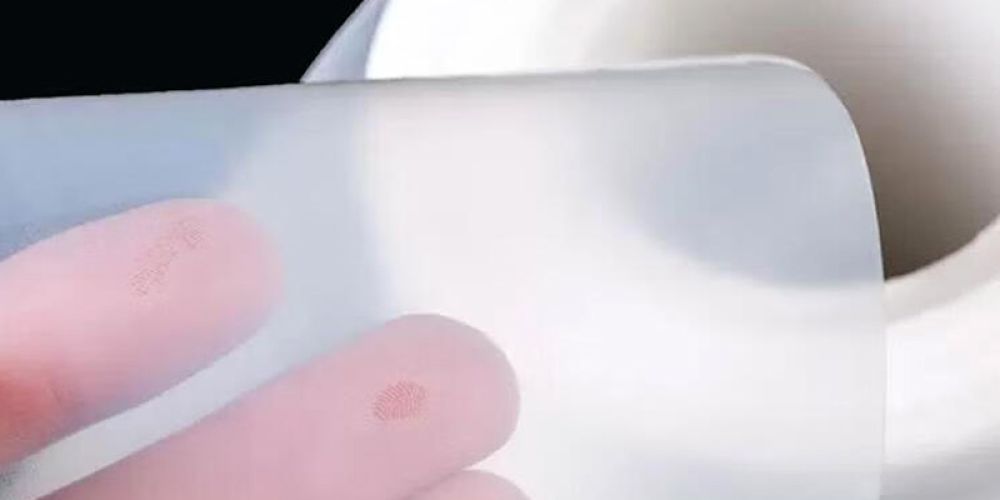
Chemical Inertness: Virtually unreactive with almost all chemical substances; resistant to acids, alkalis, and organic solvents…
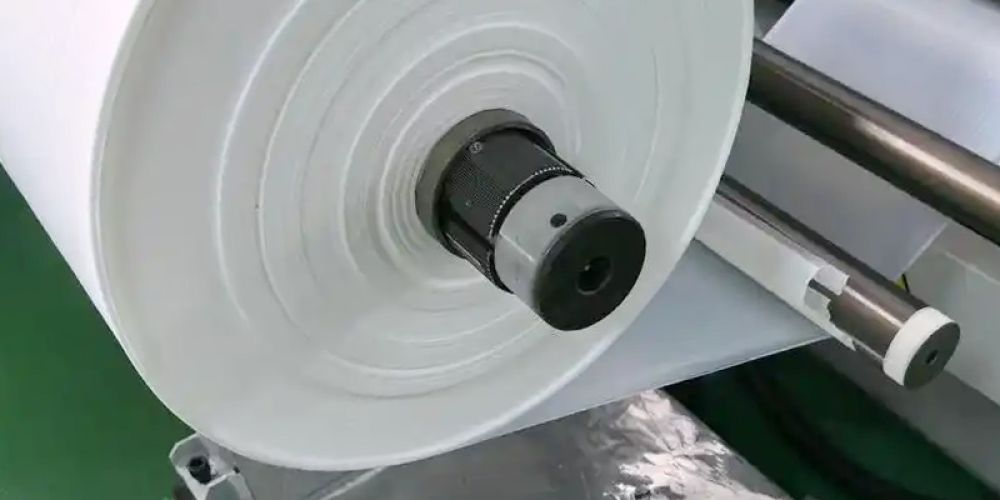
PTFE (polytetrafluoroethylene) film is a high-performance engineering plastic film renowned for its excellent chemical stability, high-temperature…
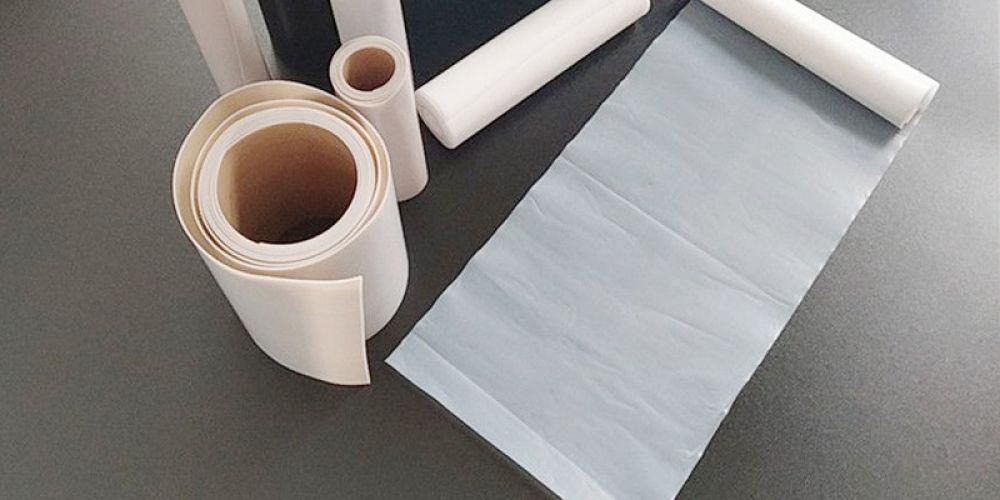
Microporous Structure Porosity exceeds 85%, with 1.4 billion micropores per square centimeter and pore sizes ranging…