
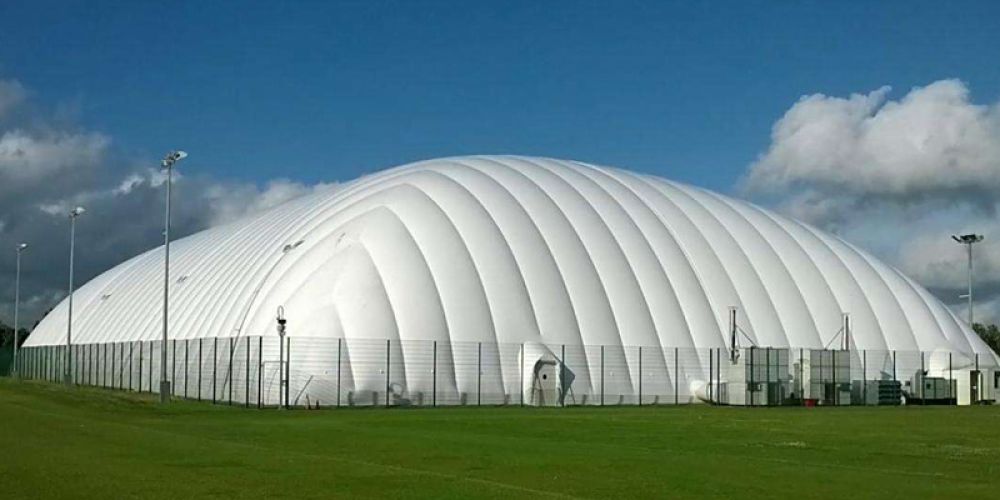
Membrane structure architecture, with its lightweight, large span, and flexible design, has become an important branch of modern architecture. As the core equipment for connecting membrane materials, the membrane heat sealing machine's technological innovation has directly driven the development of membrane structure architecture towards larger spans, more complex shapes, and higher environmental standards.
Intelligent control is another important direction for innovation in membrane heat sealing machines. Traditional heat sealing machines rely on manual operation, and welding quality is greatly affected by operator skill. The new generation of heat sealing machines, through the integration of sensors (such as temperature and pressure sensors) and a PLC control system, achieves automatic adjustment and quality monitoring of welding parameters. For example, the equipment can adjust power and pressure in real time according to membrane thickness and welding speed to ensure consistent weld strength. Furthermore, intelligent control supports remote monitoring and fault diagnosis, allowing real-time viewing of equipment status, early detection of potential faults, and reduction of downtime.
Green processes are an inevitable trend in the innovation of membrane heat sealing machines. Traditional heat sealing processes may generate volatile organic compounds (VOCs) or waste heat, impacting the environment. The new generation of heat sealing machines achieves green production by adopting environmentally friendly materials and energy-saving technologies. For example, high-frequency heat sealing is a non-contact heating method, requiring no glue or solvents and avoiding VOC emissions; the equipment has high heating efficiency (over 80%), reducing energy consumption by 30%-50% compared to traditional heating methods. Furthermore, the green process is also reflected in extended equipment lifespan. Modular design (such as detachable heating heads and easily replaceable circuit boards) makes equipment maintenance more convenient, extends component lifespan, and reduces electronic waste.
Technological innovations in membrane heat sealing machines have had a profound impact on the development of membrane structure architecture. Upgrades in high-frequency technology enable more precise and efficient membrane connections, supporting the realization of membrane structure buildings with larger spans (such as stadium roofs exceeding 100 meters) and more complex shapes (such as hyperboloids and freeform surfaces); intelligent control improves welding quality stability, reduces manual intervention, and lowers construction costs; the green process aligns with sustainable development principles, driving the transformation of membrane structure architecture towards environmental protection and energy conservation. In the future, with the further development of materials science, electronic technology, and artificial intelligence, membrane heat sealing machines will continue to innovate, providing more efficient, reliable, and environmentally friendly connection solutions for membrane structure buildings, helping modern architecture move towards a higher level.
.jpg)
In the construction field, the heat-sealing production methods for different new membrane materials vary depending on…
.jpg)
In the construction field, the heat-sealing of PVDF membrane materials is mainly achieved through processes such…
.jpg)
Due to its unique molecular structure and excellent overall performance, PVDF (polyvinylidene fluoride) membrane material is…
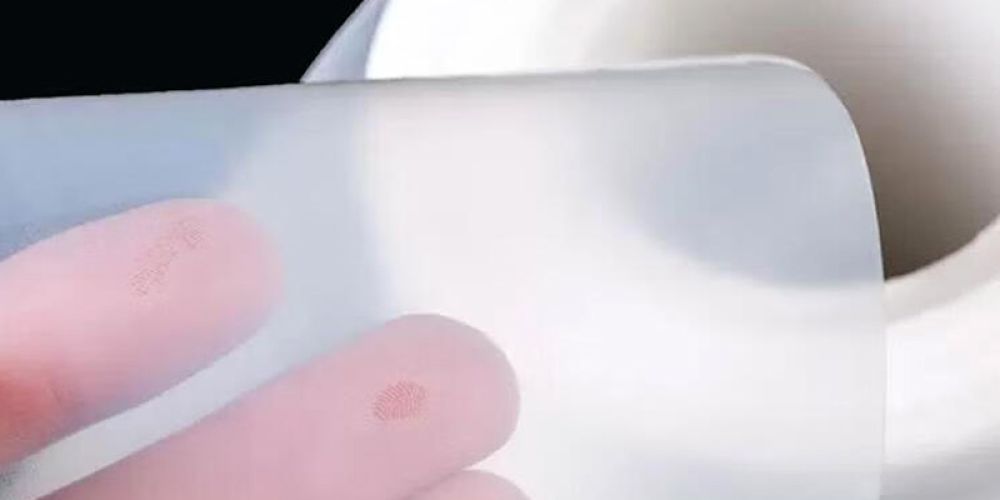
Chemical Inertness: Virtually unreactive with almost all chemical substances; resistant to acids, alkalis, and organic solvents…
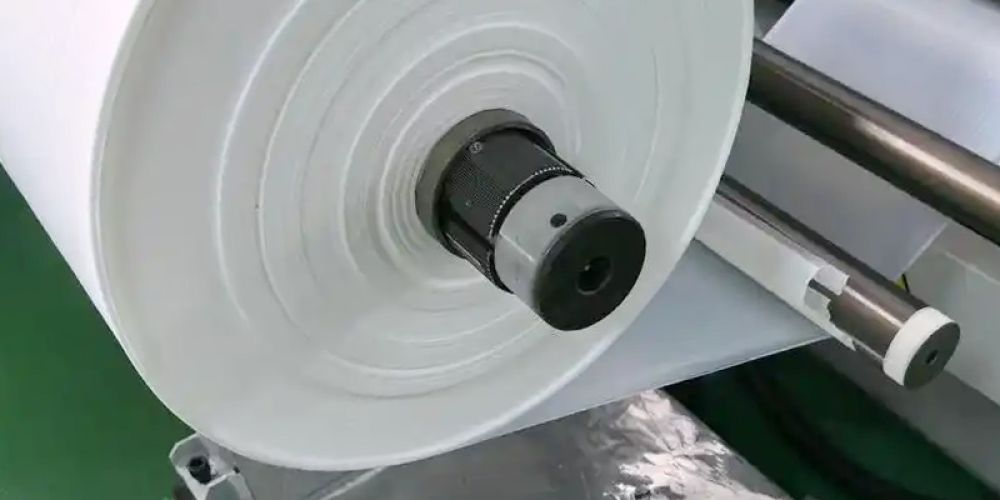
PTFE (polytetrafluoroethylene) film is a high-performance engineering plastic film renowned for its excellent chemical stability, high-temperature…
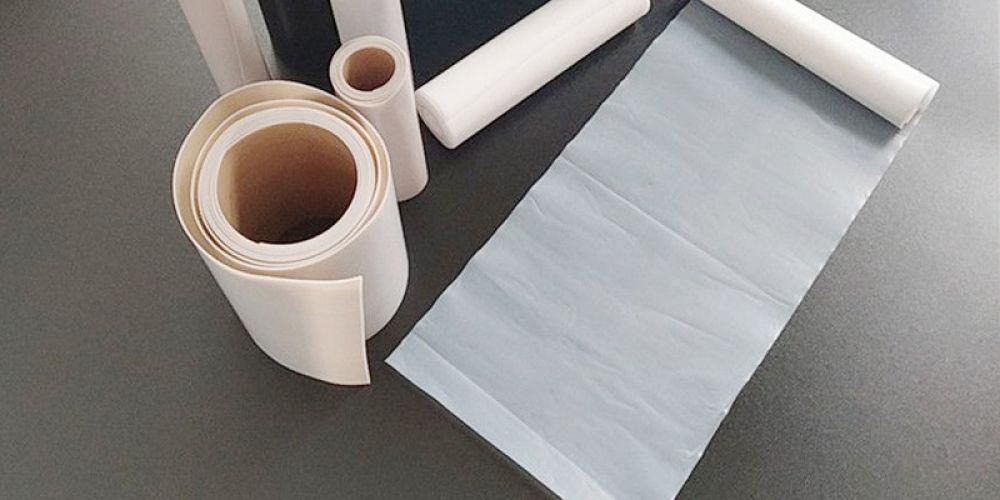
Microporous Structure Porosity exceeds 85%, with 1.4 billion micropores per square centimeter and pore sizes ranging…