
.jpg)
Membrane structures, with their lightweight, large span, and flexible design, have become an important branch of modern architecture. From stadium roofs to commercial center canopies, from environmental facilities to temporary exhibition spaces, the applications of membrane structures are constantly expanding. As the core equipment for connecting membrane materials, the performance of the membrane heat sealing machine directly determines the quality, safety, and durability of the membrane structure. This article will explain the crucial role of the membrane heat sealing machine in membrane structure architecture from three aspects: membrane connection requirements, heat sealing machine technical characteristics, and typical application cases.
Membrane structure architecture has three main requirements for membrane connection: high strength, high airtightness, and adaptability to complex structures. First, membrane structures need to withstand external forces such as wind loads, snow loads, and their own weight. The membrane connection points must have strength similar to that of the parent material to ensure the stability of the overall structure. Second, inflatable membrane structures (such as air-supported membrane buildings) rely on airtightness to maintain internal pressure, and the leakage rate at the connection points must be controlled at an extremely low level (typically ≤10⁻⁴ Pa·m³/s). Finally, membrane structures often employ complex shapes such as hyperboloids and freeform surfaces, requiring connection processes to adapt to these curve variations and avoid material damage caused by stress concentration. Traditional welding processes (such as hot air guns and soldering irons) struggle to simultaneously meet these demands. Membrane heat sealing machines, through high-frequency electromagnetic field heating technology, provide an efficient and precise connection solution for membrane structure buildings.
The technical characteristics of membrane heat sealing machines perfectly match the needs of membrane structure buildings.
Firstly, high-frequency electromagnetic field heating achieves molecular-level bonding. High-frequency current generates a high-frequency changing electromagnetic field through electrodes, causing polar molecules in the membrane material (such as chlorine atoms in PVC coatings) to vibrate and generate heat through friction. This heat concentrates in the contact area, causing localized material melting, followed by pressure cooling and solidification to form a strong bond. This process requires no external heat source, heats up quickly (typically within 1-3 seconds), and heats uniformly, avoiding material degradation caused by localized overheating.
Secondly, high welding strength. High-frequency heat sealing achieves material connection through molecular-level bonding, with weld joint strength reaching 80%-90% of the parent material.
Thirdly, it is environmentally friendly and energy-saving. High-frequency heat sealing is a non-contact heating method, requiring no adhesives or solvents and avoiding volatile organic compound (VOC) emissions, thus meeting green building standards.
With its unique technical characteristics, the membrane heat sealing machine has become an indispensable key piece of equipment in the field of membrane structure architecture. Through high-frequency electromagnetic field heating technology, it achieves high-strength, high-airtightness connections of the membrane material and adapts to complex structural requirements, providing a solid guarantee for the quality, safety, and durability of membrane structure buildings. As membrane structure architecture develops towards larger spans, more complex shapes, and higher environmental standards, membrane heat sealing machines will continue to innovate, providing more efficient, reliable, and environmentally friendly connection solutions for modern buildings.
.jpg)
In the construction field, the heat-sealing production methods for different new membrane materials vary depending on…
.jpg)
In the construction field, the heat-sealing of PVDF membrane materials is mainly achieved through processes such…
.jpg)
Due to its unique molecular structure and excellent overall performance, PVDF (polyvinylidene fluoride) membrane material is…
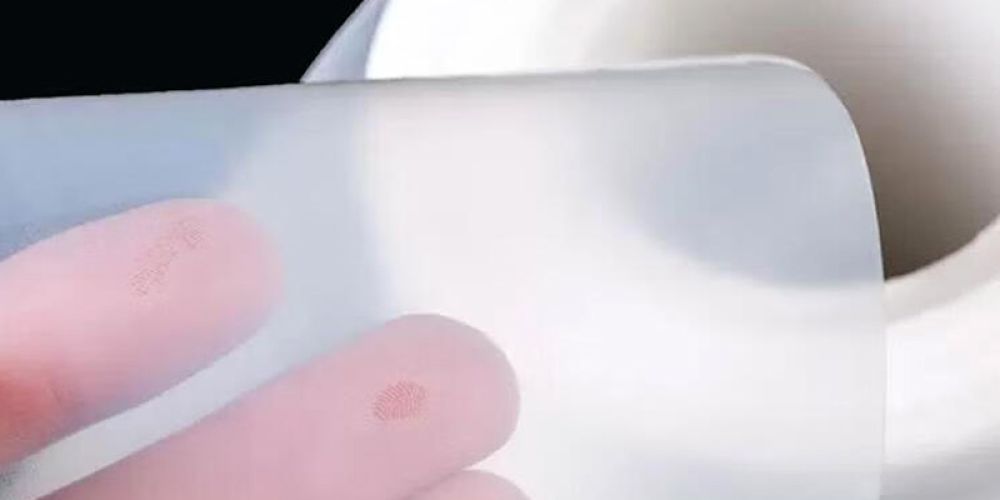
Chemical Inertness: Virtually unreactive with almost all chemical substances; resistant to acids, alkalis, and organic solvents…
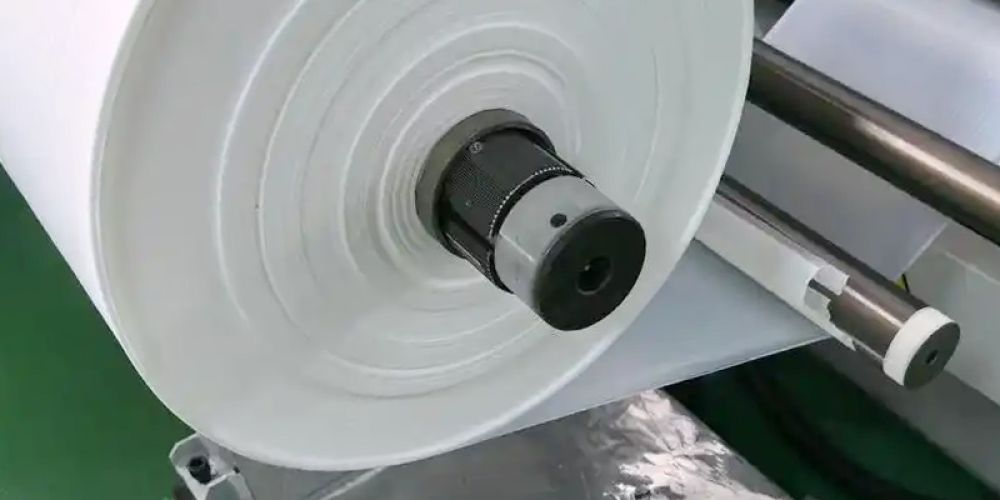
PTFE (polytetrafluoroethylene) film is a high-performance engineering plastic film renowned for its excellent chemical stability, high-temperature…
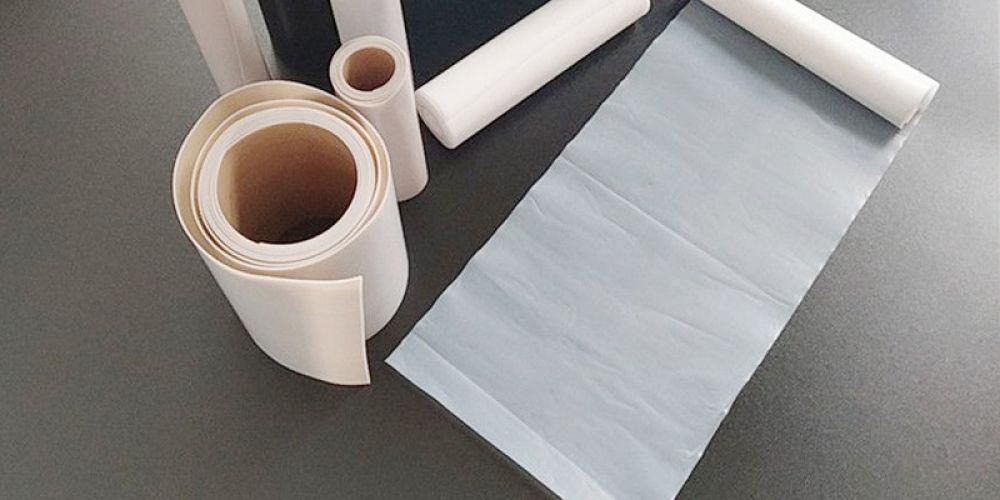
Microporous Structure Porosity exceeds 85%, with 1.4 billion micropores per square centimeter and pore sizes ranging…