
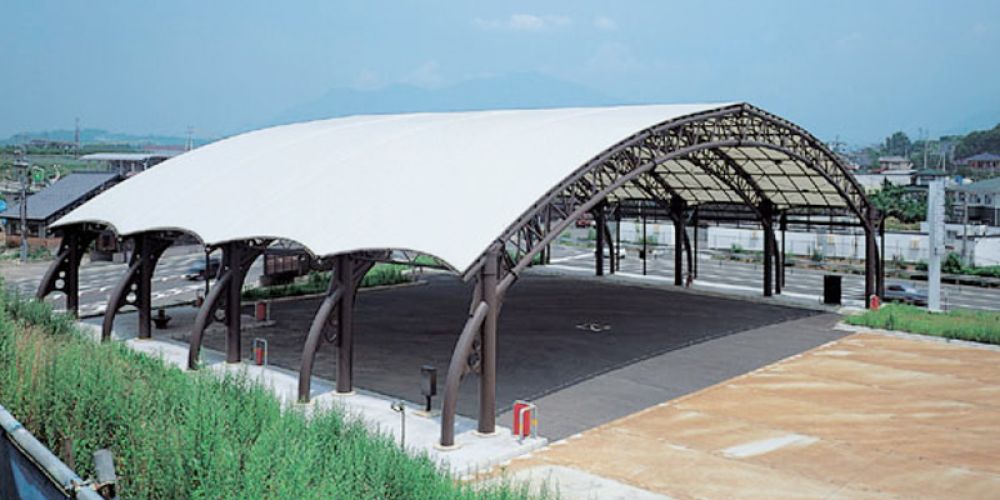
1. High-Frequency Heat Sealing Technology
High-frequency heat sealing (high-frequency welding) uses an electromagnetic field to polarize the molecules of the film material, generating heat. After melting, pressure is applied and cooling is performed to achieve welding. Its advantages include:
High efficiency and precision: Welding speed reaches 5-10 meters/minute, supporting continuous wire bonding.
High strength: Joint strength can reach 80%-90% of the base material.
No pollution: No adhesive required, meeting medical-grade safety standards.
2. Weld Treatment
After heat sealing, the following treatments are required:
Visual inspection: Ensure the weld is smooth and free of bubbles, scorch marks, or impurities.
Strength testing: Verify the weld strength through tensile testing, ensuring it meets the base material standards.
3. Testing Methods
Destructive testing: Sampling is used for tensile and bending tests to evaluate weld strength and toughness.
Weather resistance testing: Simulating ultraviolet radiation and high-temperature environments to evaluate long-term performance changes.
.jpg)
In the construction field, the heat-sealing production methods for different new membrane materials vary depending on…
.jpg)
In the construction field, the heat-sealing of PVDF membrane materials is mainly achieved through processes such…
.jpg)
Due to its unique molecular structure and excellent overall performance, PVDF (polyvinylidene fluoride) membrane material is…
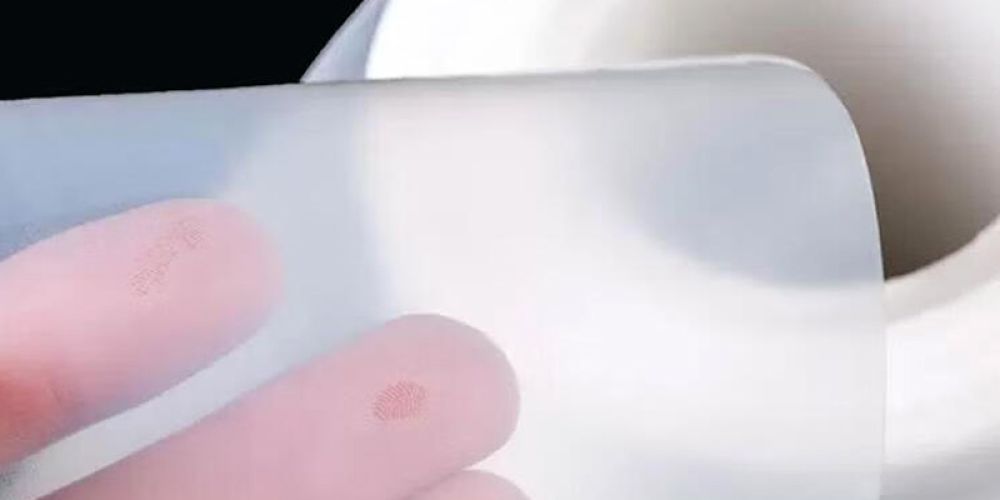
Chemical Inertness: Virtually unreactive with almost all chemical substances; resistant to acids, alkalis, and organic solvents…
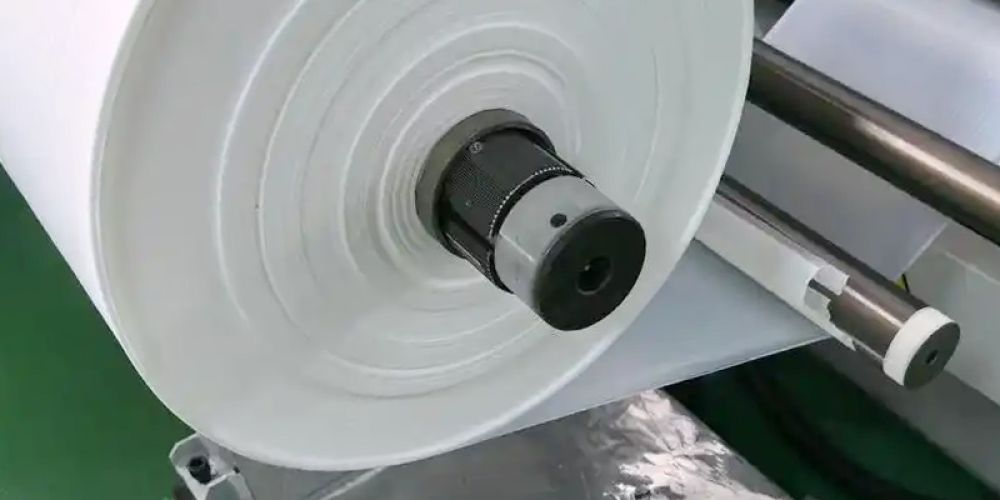
PTFE (polytetrafluoroethylene) film is a high-performance engineering plastic film renowned for its excellent chemical stability, high-temperature…
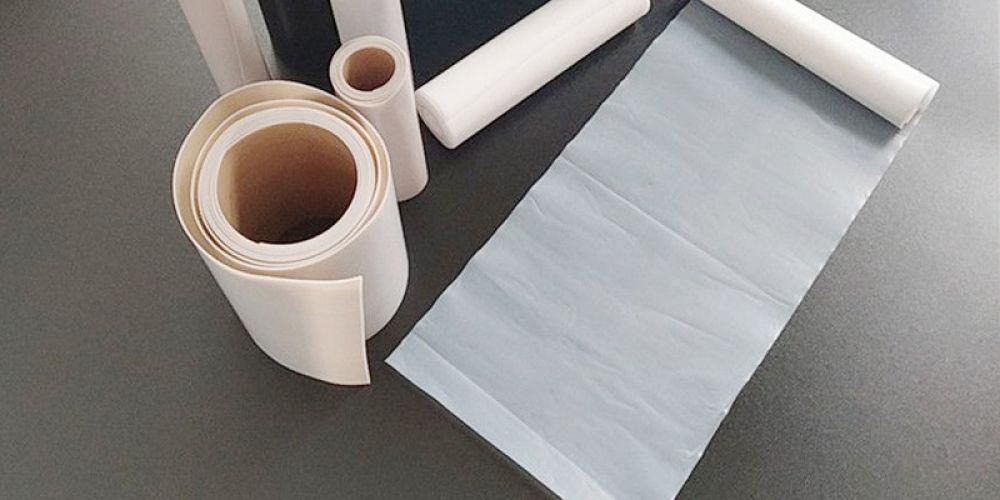
Microporous Structure Porosity exceeds 85%, with 1.4 billion micropores per square centimeter and pore sizes ranging…