
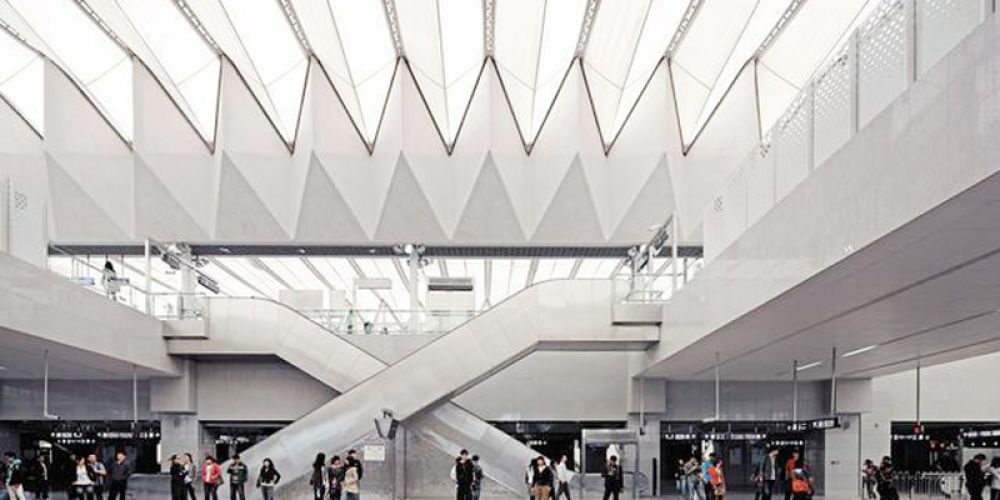
A membrane structure roof is a spatial structure that combines high-strength, flexible membrane materials (such as PVC, PTFE, ETFE, etc.) with a support system (such as steel cables and steel frames) to form a structure with sufficient rigidity to resist external loads. The following is a detailed introduction from five aspects: characteristics, types, application areas, construction process, and material selection.
I. Characteristics
* **Lightweight and High-Strength:** Membrane structure roofs use high-strength, lightweight membrane materials, and their structural weight is only 1/10 to 1/5 of that of traditional roofs, greatly reducing the load on the building. At the same time, the membrane material has excellent strength and durability, ensuring the stability of the membrane structure roof during long-term use.
* **Highly Artistic:** Membrane structure roofs, with their unique curved shapes and rich color combinations, add artistic beauty to buildings. Their flexible design can meet the needs of various architectural styles, providing more possibilities for modern architectural design.
* **Energy-Saving and Environmentally Friendly:** Membrane structure roofs have good thermal insulation performance, which can effectively reduce indoor temperature fluctuations and reduce energy consumption for air conditioning and heating equipment. Furthermore, some membrane materials (such as PTFE and ETFE) have self-cleaning properties, maintaining a clean surface through natural rainwater rinsing, thus reducing maintenance costs.
Large-span unsupported structures: Membrane structure roofs are lightweight and have good seismic performance, eliminating the need for internal supports. This overcomes the difficulties encountered by traditional structures in large-span (unsupported) buildings, creating vast, unobstructed visual spaces and effectively increasing usable floor area.
Convenient construction and short construction period: The membrane cutting, steel cable and steel structure fabrication of membrane structure roofs are all completed in the factory, reducing on-site construction time. On-site construction only involves the connection, installation, positioning, and tensioning of the steel cables, steel structure, and membrane, making on-site construction quick and efficient, with a shorter construction period compared to traditional building projects.
II. Types
Tensioned membrane structures: Composed of membrane material, steel cables, and supports, these structures utilize tension introduced into the membrane material through the steel cables and supports to achieve stability. This structural form allows for creative, innovative, and aesthetically pleasing designs, making it the most representative construction form of membrane structures.
**Frame-Supported Membrane Structure:** This type of structure uses a steel or engineered wood frame as its roof framework, with a membrane stretched across it. This structural form offers high stability of the lower support structure, a relatively simple roof shape, fewer restrictions on openings, and high economic efficiency, making it widely applicable to spaces of any size.
**Air-Inflatable Membrane Structure:** This type of structure uses air pressure to support the membrane material around the perimeter of the roof structure. An air supply system raises the indoor air pressure to a certain level, creating a pressure difference between the inside and outside of the roof to resist external forces. Because it utilizes air pressure for support and uses steel cables as auxiliary materials, it requires no beams or columns, allowing for larger spaces, faster construction, and higher economic efficiency. However, it requires 24-hour operation of the ventilation system, resulting in higher costs for continuous operation and maintenance.
III. Application Areas
**Sports Venues:** Due to its lightweight, high strength, and large-span, unsupported design, membrane structure roofs have become the preferred structural form for sports venues. For example, the National Speed Skating Oval, known as the "Ice Ribbon," uses ETFE membrane material to achieve a glue-free seal for its 22,000 square meter roof.
Exhibition Centers: The unique shape and artistic beauty of membrane structure roofs make them an ideal choice for public buildings such as exhibition centers. For example, the Shanghai Expo Axis Sun Valley uses PVC/PVDF membrane material, formed into six conical structures through high-frequency welding.
Commercial Buildings: The energy-saving, environmentally friendly, and easy-to-construct properties of membrane structure roofs have led to their widespread application in commercial buildings. For instance, commercial buildings and office buildings often use polygonal or rectangular membrane materials for their roofs, offering high space utilization and aesthetic appeal.
Transportation Facilities: Membrane structure roofs are also widely used in transportation facilities, such as train stations and airport terminals. These locations require large-span, barrier-free spaces, which membrane structure roofs perfectly meet.
.jpg)
In the construction field, the heat-sealing production methods for different new membrane materials vary depending on…
.jpg)
In the construction field, the heat-sealing of PVDF membrane materials is mainly achieved through processes such…
.jpg)
Due to its unique molecular structure and excellent overall performance, PVDF (polyvinylidene fluoride) membrane material is…
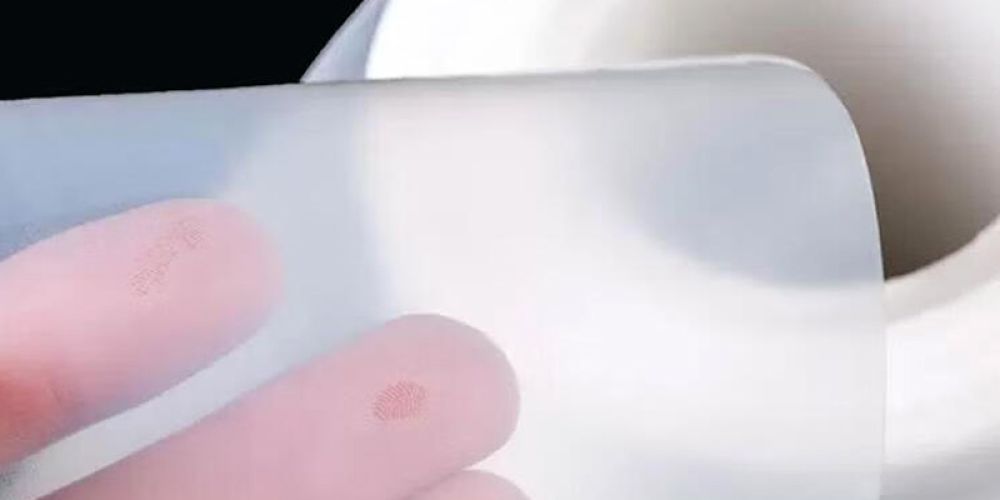
Chemical Inertness: Virtually unreactive with almost all chemical substances; resistant to acids, alkalis, and organic solvents…
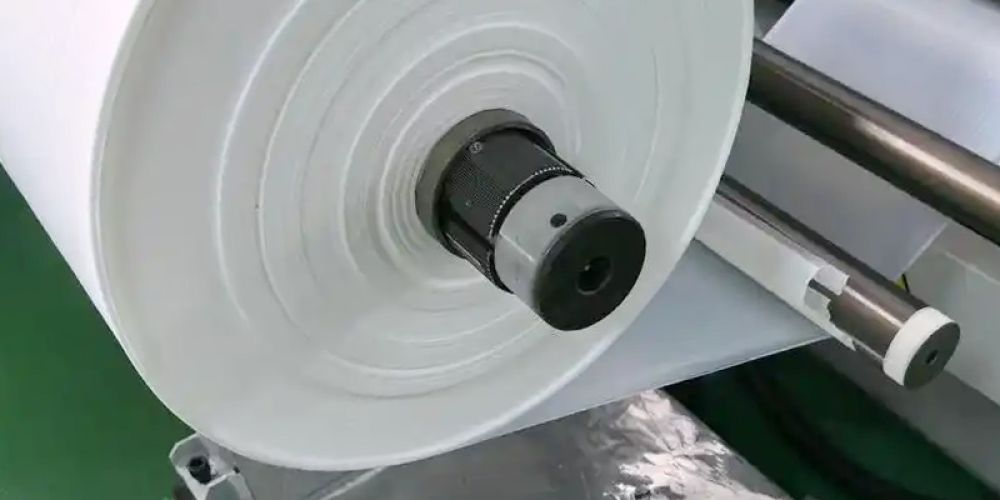
PTFE (polytetrafluoroethylene) film is a high-performance engineering plastic film renowned for its excellent chemical stability, high-temperature…
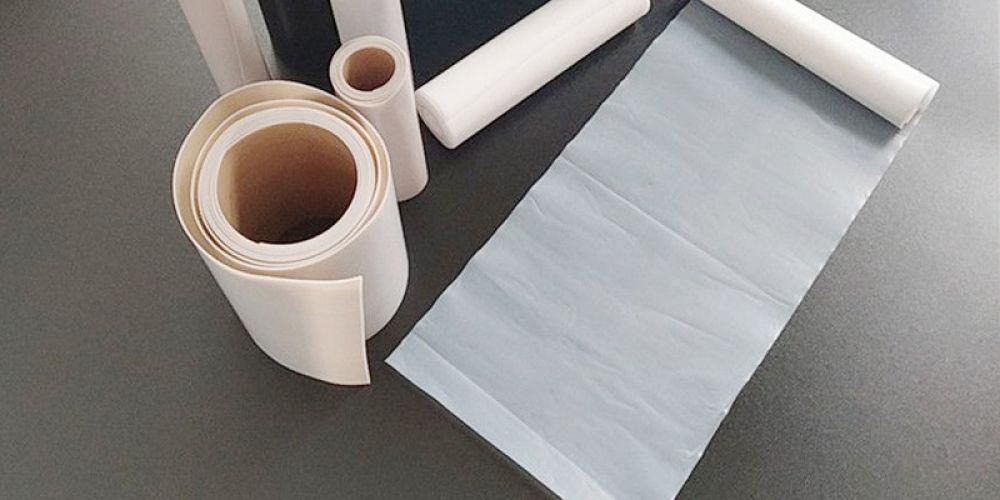
Microporous Structure Porosity exceeds 85%, with 1.4 billion micropores per square centimeter and pore sizes ranging…