
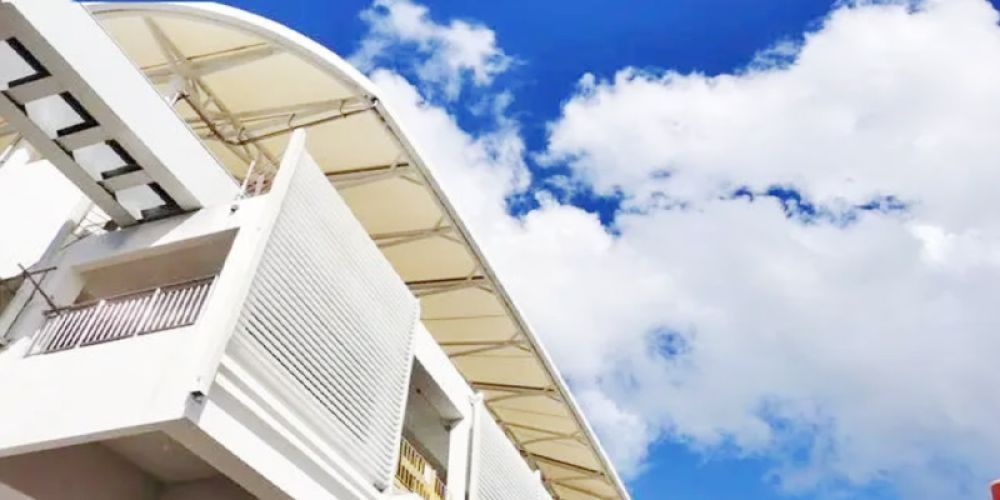
The railway station membrane structure heat sealing machine is a high-frequency welding device specifically designed for splicing membrane materials in membrane structure buildings such as railway stations. Its core principle, technical characteristics, application scenarios, and typical cases are as follows:
I. Core Principle: High-Frequency Electromagnetic Field Dielectric Heating
When the PVC membrane material contacts the heat sealing head, the electromagnetic field polarizes the molecules inside the material (such as chlorine atoms in PVC) and generates heat through high-speed friction, achieving fusion welding. This process requires no external heat source and features non-contact heating, uniform heating, and high thermal efficiency.
II. Technical Characteristics: High Efficiency, Precision, and Safety
High-Efficiency Welding
Welding Speed: Up to 5-10 meters per minute, supporting continuous pressure welding, customizable length, significantly improving production efficiency.
Welding Strength: Joint strength can reach 80%-90% of the base material.
Airtightness: Meets the continuous pressure requirements of inflatable membrane structures (such as railway station canopies).
Precise Control
Temperature Control: Real-time monitoring of welding temperature via sensors prevents localized overheating that could lead to membrane material degradation.
Pressure Regulation: Equipped with a servo drive system, it can precisely adjust the welding pressure to adapt to membrane materials of different thicknesses and properties.
Current Compensation: Automatically measures and compensates for current, adapting to changes in material thickness and effectively suppressing arc and spark phenomena.
Safety Protection:
Spark Protection: Employs a spark protection system to monitor abnormal discharges during the welding process in real time and immediately cut off the power supply.
Electromagnetic Shielding: Equipped with a high-frequency oscillation chamber and electromagnetic shielding device to reduce the impact of electromagnetic radiation on operators.
Mechanical Protection: Features safety light curtains and an emergency stop button; the equipment automatically stops when operators approach the danger zone.
III. Application Scenarios: Core Equipment for Station Membrane Structures
The station membrane structure heat sealing machine is mainly used in the following scenarios:
Membrane Material Splicing: Large-area coverings such as station roofs and canopies require welding splicing of single rolls of membrane material with limited width (usually 3-5 meters) to form structures with spans exceeding 100 meters.
Edge Sealing: Welds the edges of the membrane material to prevent rainwater penetration and air leakage, ensuring the pressure stability of the inflatable membrane structure.
Membrane material and metal connection: Weld the membrane material to aluminum profiles, steel cables and other metal components to form a non-destructive connection that meets the requirements for long-term weather resistance.
.jpg)
In the construction field, the heat-sealing production methods for different new membrane materials vary depending on…
.jpg)
In the construction field, the heat-sealing of PVDF membrane materials is mainly achieved through processes such…
.jpg)
Due to its unique molecular structure and excellent overall performance, PVDF (polyvinylidene fluoride) membrane material is…
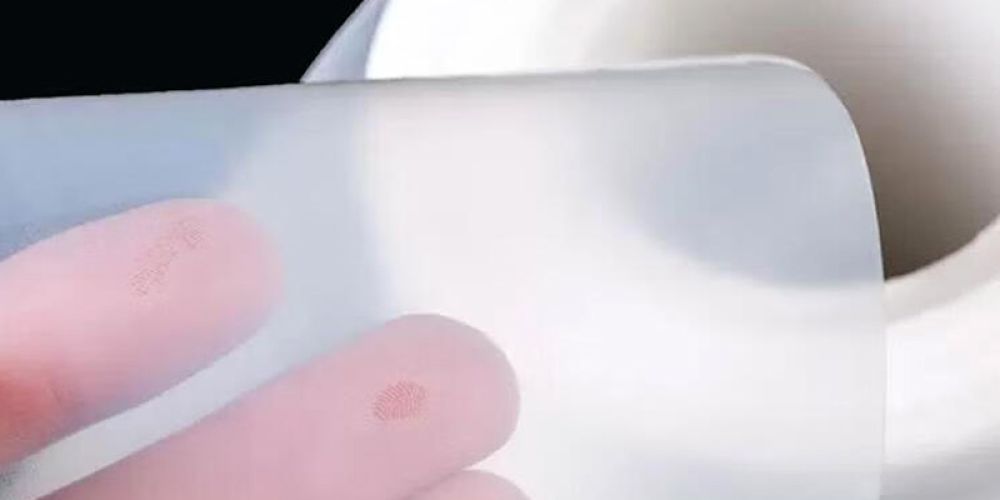
Chemical Inertness: Virtually unreactive with almost all chemical substances; resistant to acids, alkalis, and organic solvents…
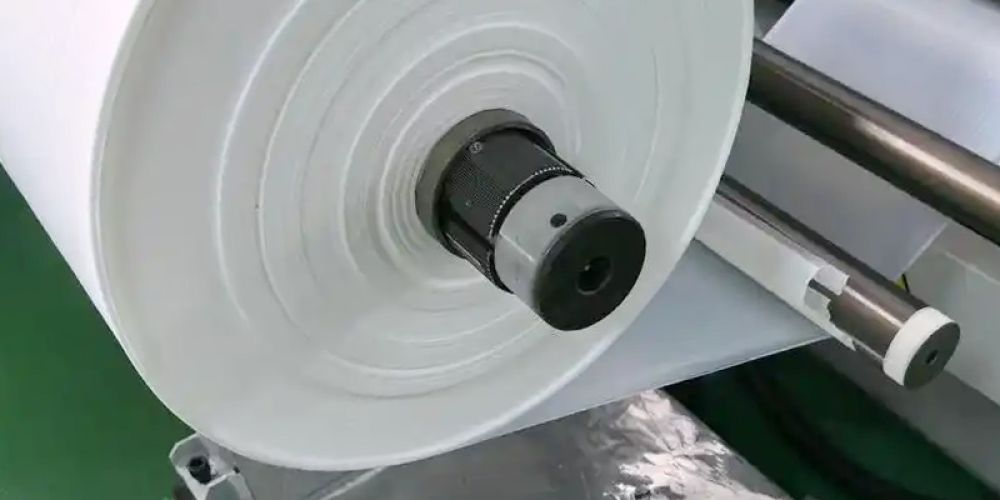
PTFE (polytetrafluoroethylene) film is a high-performance engineering plastic film renowned for its excellent chemical stability, high-temperature…
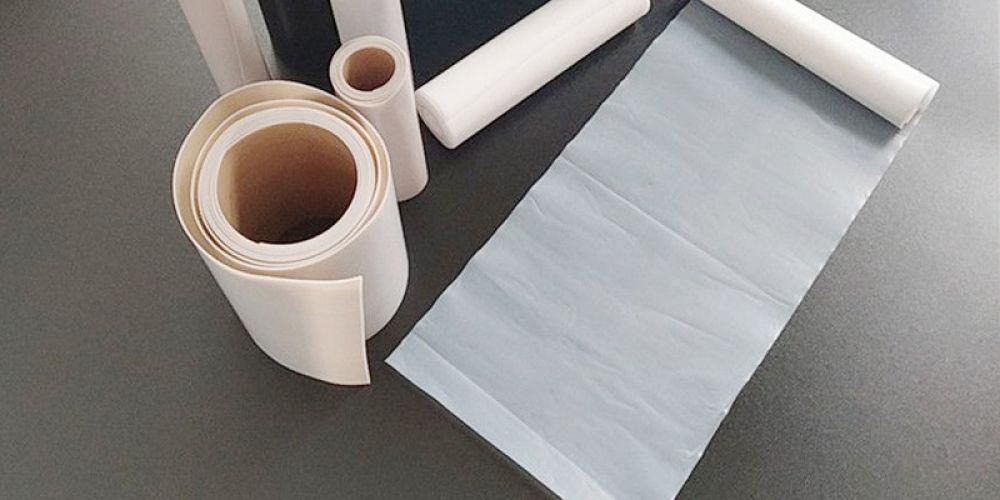
Microporous Structure Porosity exceeds 85%, with 1.4 billion micropores per square centimeter and pore sizes ranging…