
.jpg)
What is PVC?
PVC, short for polyvinyl chloride, is a widely produced and used general-purpose plastic. In the field of membrane structures, "PVC-coated fabric"—this is the composite material that constitutes architectural membrane materials.
Composition of PVC-coated membrane materials (sandwich structure):
Base layer:
Material: A mesh fabric woven from high-strength polyester fiber filaments.
Function: Provides tensile strength, tear resistance, and dimensional stability.
Coating layer:
Material: Flexible PVC with added modifiers (such as plasticizers, stabilizers, flame retardants, etc.).
Function: Wraps and bonds the fibers, providing waterproof, airtight, weather-resistant, and weldable properties.
Top layer/protective layer:
Material: Typically PVDF (polyvinylidene fluoride), PVF (ethylene fluoride), or an acrylic coating.
Function: Covers the outermost layer, providing crucial "self-cleaning" properties (dust does not easily adhere, rainwater washes it away), UV resistance, chemical corrosion resistance, and aging resistance. This is key to extending the outdoor lifespan of PVC membrane materials. Main Applications of PVC Membrane Materials:
Tensioned Membrane Structures: Small and medium-sized sports grandstands, landscape features, toll booths, gas stations, parking lots, etc.
Air-supported Membrane Structures (Air-supported Membranes): This is one of the largest application areas for PVC membrane materials, used in tennis courts, swimming pools, coal yard enclosures, logistics warehouses, etc. Requires extremely high airtightness and strength.
Tents and Premises: Industrial storage tents, disaster relief tents, event tents. Requires flexibility, durability, and waterproofing.
Flexible Containers: Emergency water tanks, various liquid bladders.
Advertising and Decoration: Large-scale outdoor printing, light boxes, exhibition decorations.
Core Processing Technology of PVC Membrane Materials: Heat Sealing
The coating characteristics of PVC determine its heat-sealing capability. Main method: High-frequency heat sealing: The mainstream process. Utilizes a high-frequency electric field to melt PVC molecules through frictional heat. Advantages: Fast speed, high strength, can be welded and cut in one piece, good sealing. Used for: Tent components, main weld seams of air-supported membrane structures.
.jpg)
In the construction field, the heat-sealing production methods for different new membrane materials vary depending on…
.jpg)
In the construction field, the heat-sealing of PVDF membrane materials is mainly achieved through processes such…
.jpg)
Due to its unique molecular structure and excellent overall performance, PVDF (polyvinylidene fluoride) membrane material is…
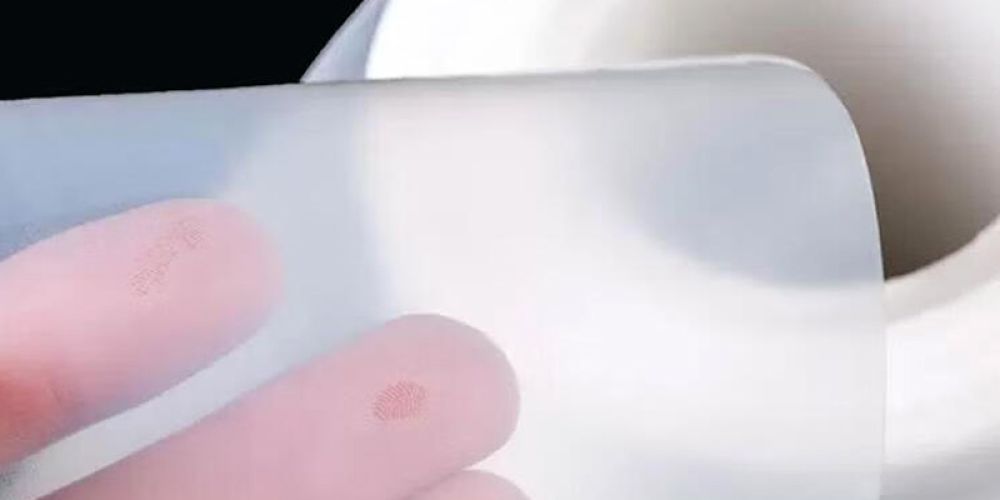
Chemical Inertness: Virtually unreactive with almost all chemical substances; resistant to acids, alkalis, and organic solvents…
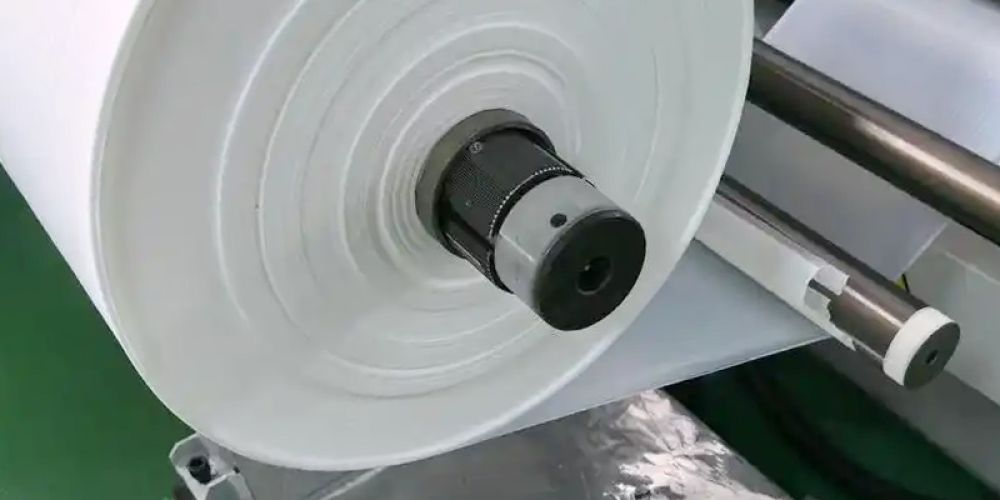
PTFE (polytetrafluoroethylene) film is a high-performance engineering plastic film renowned for its excellent chemical stability, high-temperature…
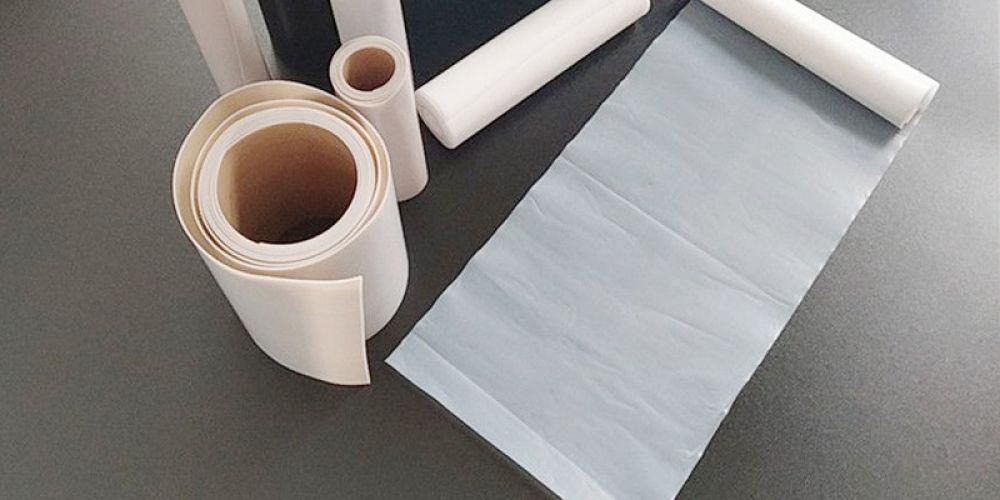
Microporous Structure Porosity exceeds 85%, with 1.4 billion micropores per square centimeter and pore sizes ranging…