
.jpg)
A professional parameter adjustment process follows a closed loop of "setting-testing-inspection-curing".
Process Details:
Start and Preparation:
Environment: Ensure the process is conducted in a stable and clean environment, recording temperature and humidity.
Equipment Status: Clean the heating wedge and pressure rollers, ensuring no old material residue remains.
Membrane Material Confirmation: Verify the membrane material model and batch number; coating formulations may vary slightly between different batches.
Initial Setting:
Refer to the recommended parameter range provided by the membrane material supplier.
If no data is available, start with a lower temperature and slower speed, gradually adjusting upwards. This is safer than adjusting downwards from excessively high parameters (to avoid damaging the material).
Trial Welding and Destructive Testing:
This is the inspection standard.
Peel Test: Tear the test piece apart at the weld seam.
Ideal Scenario: Failure occurs in the base material, not the weld seam. This indicates that the weld strength > the base material strength.
Acceptable Condition: Partial failure occurs at the weld, but the peel strength meets standard requirements (typically 80%-90% or more of the base metal strength).
Unacceptable Condition: Easily and neatly peels off from the weld.
Parameter Interaction Adjustment Tips:
Problem: Insufficient weld strength, but nearing the temperature limit.
Solution: Reduce speed and increase heat treatment time, rather than blindly increasing temperature.
Problem: Weld appearance is wavy or shrinking.
Solution: Check for sufficient cooling, or appropriately reduce pressure.
Establish a "Parameter Profile":
Save the determined optimal combination (temperature, speed, pressure, cooling settings) and test data.
.jpg)
In the construction field, the heat-sealing production methods for different new membrane materials vary depending on…
.jpg)
In the construction field, the heat-sealing of PVDF membrane materials is mainly achieved through processes such…
.jpg)
Due to its unique molecular structure and excellent overall performance, PVDF (polyvinylidene fluoride) membrane material is…
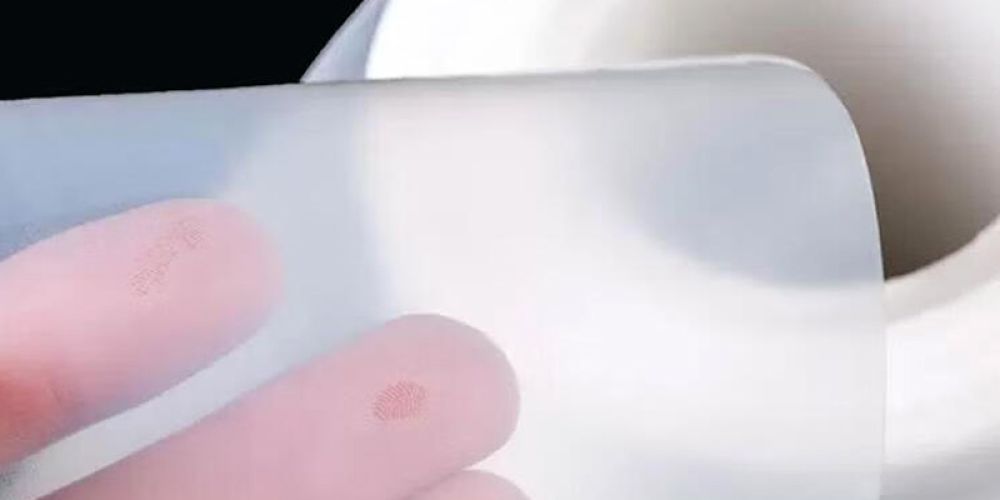
Chemical Inertness: Virtually unreactive with almost all chemical substances; resistant to acids, alkalis, and organic solvents…
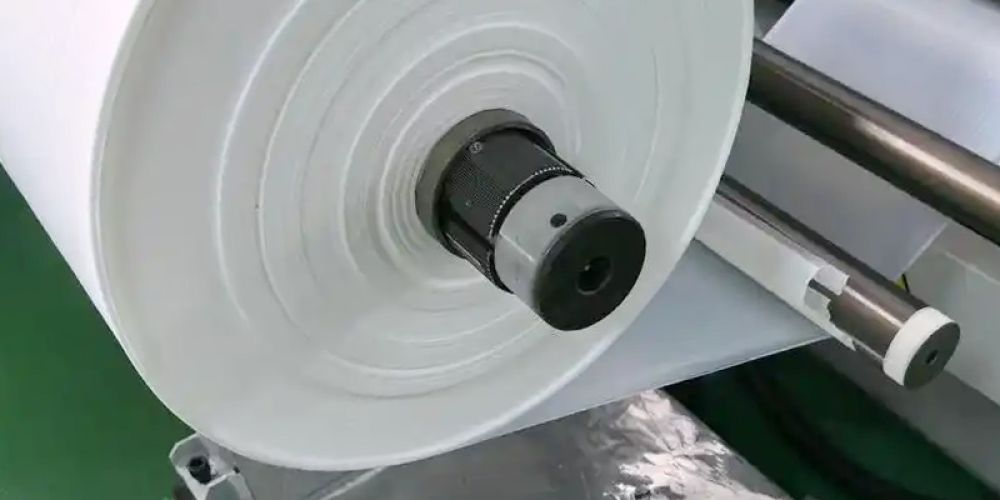
PTFE (polytetrafluoroethylene) film is a high-performance engineering plastic film renowned for its excellent chemical stability, high-temperature…
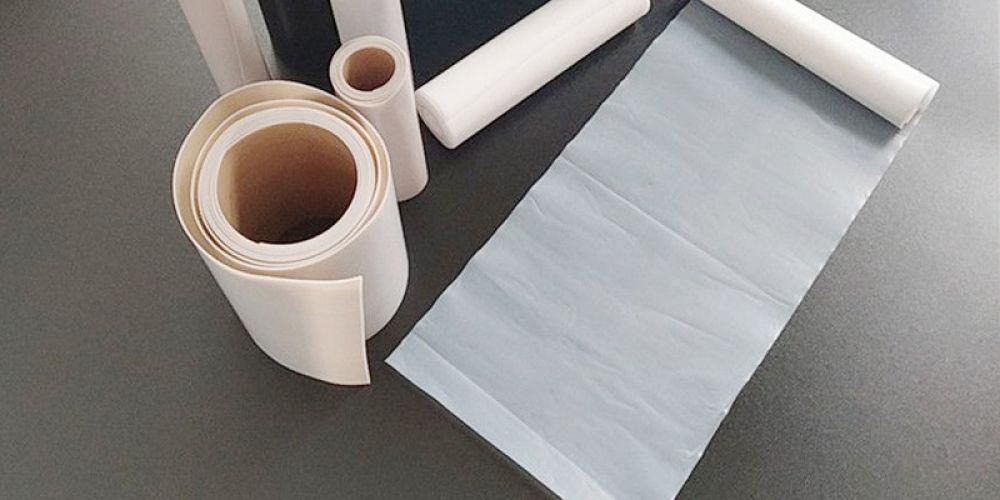
Microporous Structure Porosity exceeds 85%, with 1.4 billion micropores per square centimeter and pore sizes ranging…