

PVC membrane architecture is a type of membrane structure architecture, primarily using polyvinyl chloride (PVC) coated fabric membrane as the covering material. It is characterized by its light weight, quick construction, and low cost, but its lifespan is relatively short (typically 5-8 years), making it suitable for temporary or semi-permanent buildings. Its classification is mainly based on the support system and structural form, consistent with the general classification of membrane structures.
Classification by Support Method: PVC membrane structures can be divided into the following types:
- Framed Membrane Structures: These use a rigid frame (such as a steel frame) to support the membrane material, forming a stable space. Suitable for permanent buildings, their shape is limited by the frame.
- Tensioned Membrane Structures: These apply pretension to the membrane material using steel cables or support rods, forming a curved shape. They can achieve large-span, unobstructed spaces and are a typical form of PVC membrane architecture showcasing flexibility.
- Inflatable Membrane Structures: These rely on the pressure difference between the internal air and the external air to maintain their shape. They require continuous ventilation equipment and are mostly used for temporary or dismantled buildings, such as exhibition halls or temporary sports facilities.
According to structural stability, they can be divided into two categories: permanent and temporary. Permanent buildings use high-strength PVC membrane materials (such as fiberglass substrates) combined with prestressed design, and their lifespan can reach more than 25 years. Temporary buildings mostly use PVC membranes with polyester fiber substrates, which are low in cost and quick to install, but have poor durability.
.jpg)
In the construction field, the heat-sealing production methods for different new membrane materials vary depending on…
.jpg)
In the construction field, the heat-sealing of PVDF membrane materials is mainly achieved through processes such…
.jpg)
Due to its unique molecular structure and excellent overall performance, PVDF (polyvinylidene fluoride) membrane material is…
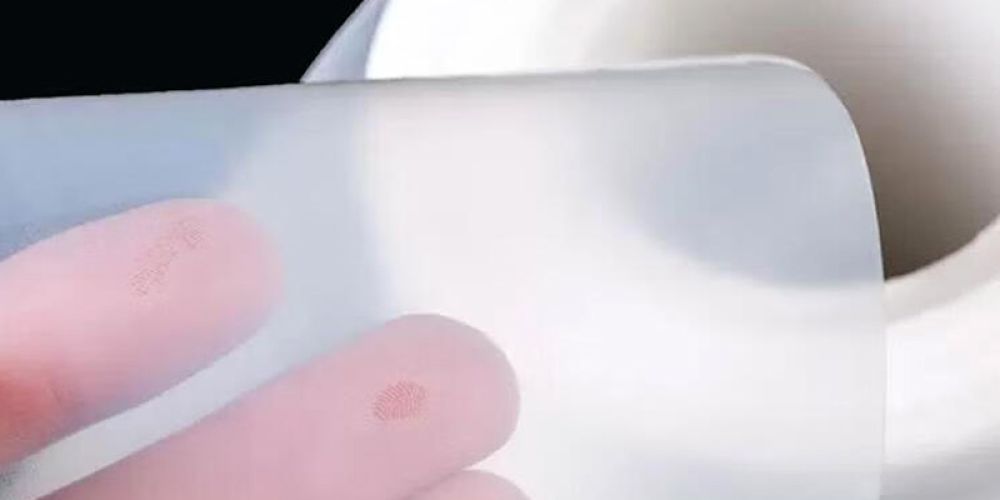
Chemical Inertness: Virtually unreactive with almost all chemical substances; resistant to acids, alkalis, and organic solvents…
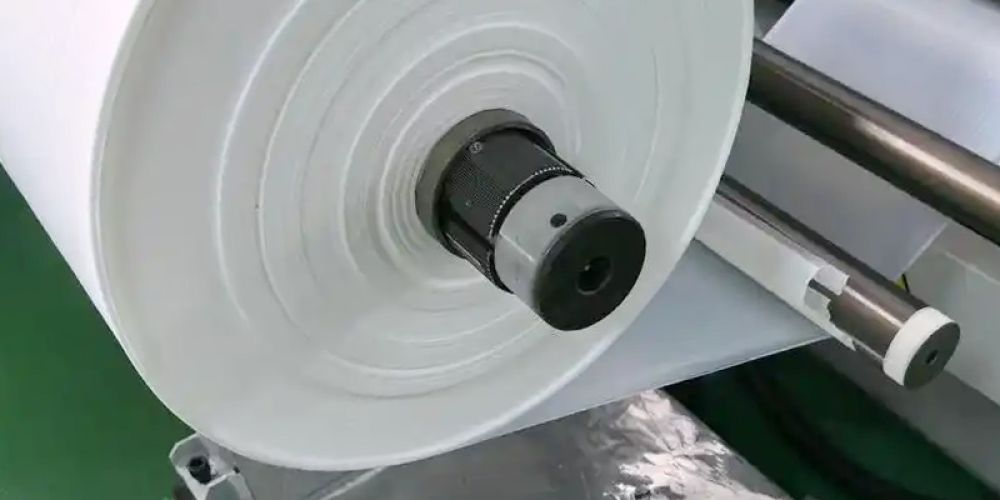
PTFE (polytetrafluoroethylene) film is a high-performance engineering plastic film renowned for its excellent chemical stability, high-temperature…
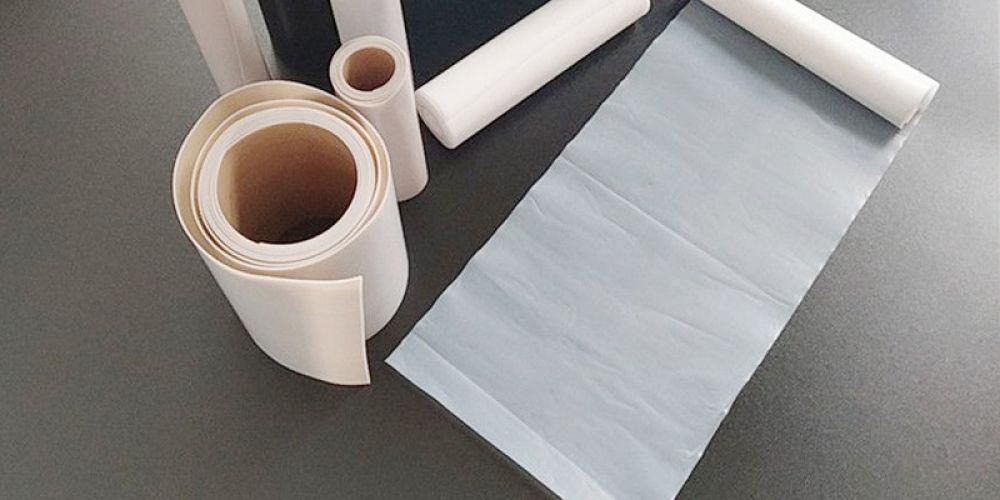
Microporous Structure Porosity exceeds 85%, with 1.4 billion micropores per square centimeter and pore sizes ranging…