
.jpg)
Membrane architecture is primarily classified based on its support system and stress distribution. Common types include three basic forms: skeletal, tensioned, and inflatable. Each type has its own characteristics in terms of structural principles, applicable scenarios, and durability.
Skeletal membrane structures use a rigid frame (such as a steel frame or truss) to support a flexible membrane material, forming a spatial form. Structural stability depends on the stiffness of the supporting components. They are suitable for permanent or semi-permanent buildings, such as stadiums and commercial centers. Construction is relatively simple, but the span is limited by the frame design.
Tensioned membrane structures apply pretension to the membrane material, working in conjunction with steel cables and columns to form a stable curved surface. They can achieve large-span, unobstructed spaces with high design freedom and are widely used in landmark buildings, transportation hubs, and other similar applications. Their durability depends on the type of membrane material (e.g., PTFE membranes can have a lifespan of over 25 years).
Inflatable membrane structures maintain their shape through the pressure difference between the inside and outside of the membrane. They are divided into air-supported (supported by air pressure) and air-bag (inflated by independent airbag units). A continuous air supply system is required to maintain pressure. They are suitable for temporary or semi-permanent facilities such as exhibition halls and temporary sports facilities, offering advantages in rapid installation and dismantling, but with higher energy consumption.
Furthermore, membrane structures can also be classified by their enclosure type into enclosed (such as permanent buildings) and open (such as landscape features), but these three basic types cover the main engineering applications.
.jpg)
In the construction field, the heat-sealing production methods for different new membrane materials vary depending on…
.jpg)
In the construction field, the heat-sealing of PVDF membrane materials is mainly achieved through processes such…
.jpg)
Due to its unique molecular structure and excellent overall performance, PVDF (polyvinylidene fluoride) membrane material is…
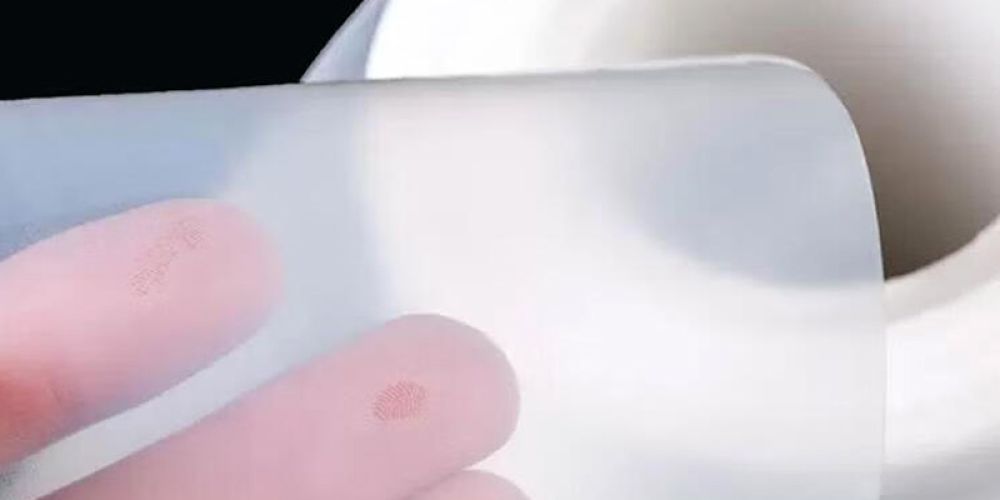
Chemical Inertness: Virtually unreactive with almost all chemical substances; resistant to acids, alkalis, and organic solvents…
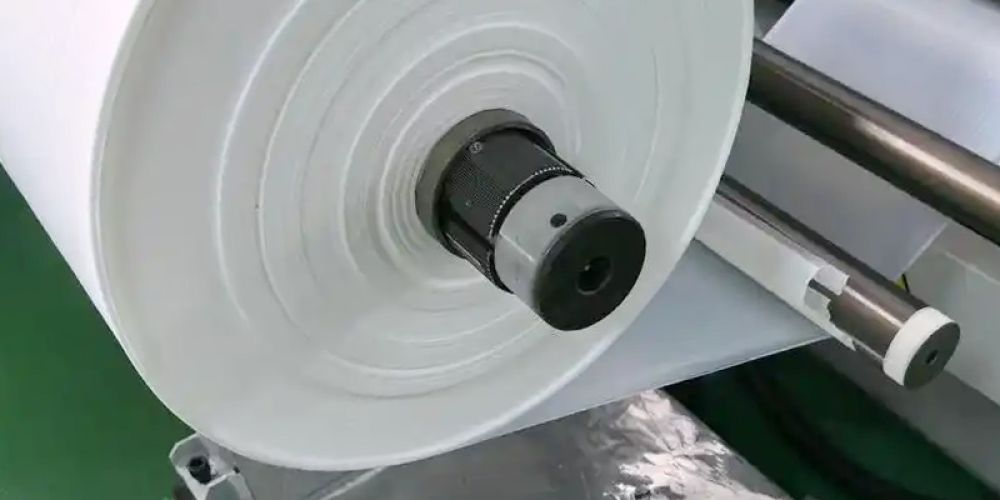
PTFE (polytetrafluoroethylene) film is a high-performance engineering plastic film renowned for its excellent chemical stability, high-temperature…
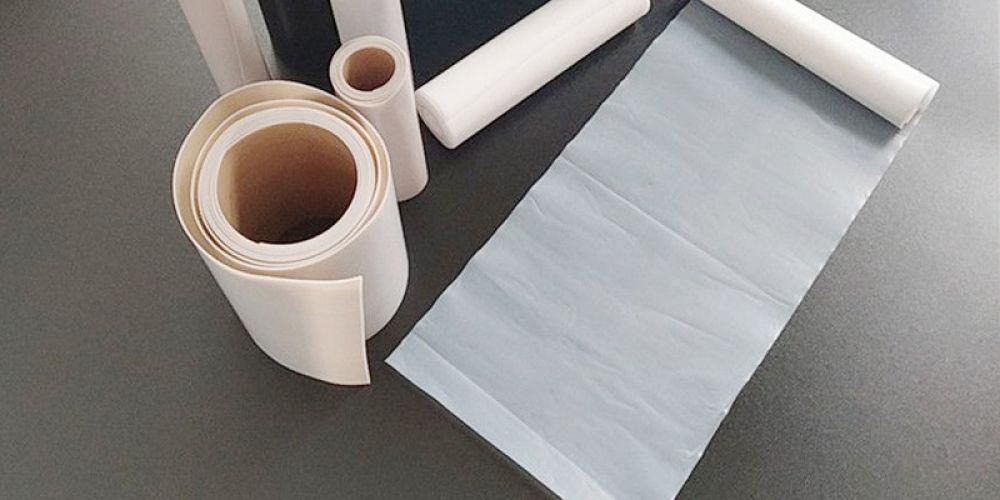
Microporous Structure Porosity exceeds 85%, with 1.4 billion micropores per square centimeter and pore sizes ranging…